Patara Elephant Farm and Outdoor Discoveries Around Chiang Mai
A thoughtful guide to elephant care, training, and nature experiences in Hang Dong District
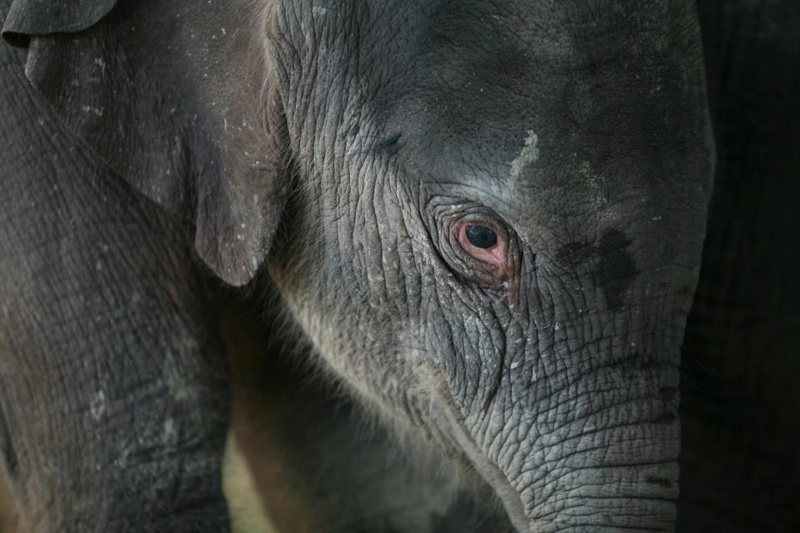
In Hang Dong District, Chiang Mai, a visit to Patara Elephant Farm can be understood as more than a brief wildlife encounter. The experience is centered on spending time near elephants, learning about their daily care, and observing how people and animals communicate. For a first-time visitor, this creates a useful starting point for thinking about responsible tourism: the quality of a visit depends not only on seeing an elephant, but also on understanding the attention, patience, and knowledge involved in caring for one. The area also suits travelers who want to place an elephant experience within a wider landscape. Chiang Mai Outdoor Activities range from gentle nature exploration to more demanding walks and park visits, allowing a day or several days to combine animal-focused learning with forest, canyon, and river scenery. Patara Elephant Farm therefore works well as one part of a broader itinerary rather than an isolated stop. This guide looks at the sanctuary experience first, then considers the role of Patara Elephant Training and the natural appeal of Ob Luang National Park and Ob Khan National Park. The focus is on what visitors can observe, the questions they can bring, and the ways outdoor exploration can add context to a visit.
What a Sanctuary Visit Can Offer
A visit to Patara Elephant Farm introduces travelers to elephants through observation and guided interaction. Rather than treating the animals as scenery, the experience can encourage visitors to notice individual behavior, body language, movement, and responses to familiar handlers. These details make the encounter more educational and help replace a quick photo opportunity with a slower appreciation of the animals’ needs and character.
Elephant care is an ongoing responsibility. Visitors may learn about feeding, bathing, grooming, health observation, and the importance of maintaining a calm relationship between elephants and their caretakers. The precise activities available can vary, so it is best to approach the experience as an opportunity to learn rather than assume that every visit follows the same pattern. Listening carefully to staff guidance is part of respectful participation.
The setting is also important. In a Chiang Mai Elephant Sanctuary environment, the surrounding vegetation, paths, water, and open spaces provide a natural backdrop for understanding how elephants spend their time. A responsible visitor should avoid sudden movements, loud behavior, or attempts to direct an elephant for a photograph. Quiet observation often reveals more than a staged moment, especially when the animal is allowed to behave according to its own pace.
Travelers comparing Patara Elephant reviews may find that personal impressions differ because people value different aspects of a sanctuary visit. Some look for close interaction, while others prefer a more observational approach. A useful review is therefore one that considers the clarity of visitor education, the treatment of animals, the conduct of guides, and whether the activities encourage patience and respect. Those criteria are more meaningful than judging a visit only by how many photographs it produces.
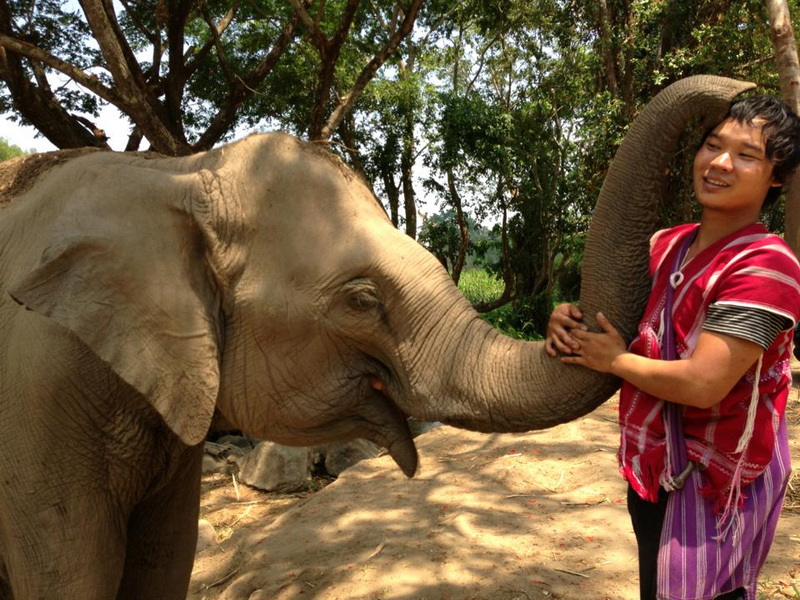
Understanding Patara Elephant Training
Patara Elephant Training is best understood as a communication-based part of elephant care rather than a performance designed solely for entertainment. Training can help handlers establish familiar signals for everyday tasks, health checks, movement, and safe cooperation. For visitors, observing this process offers insight into the repetition and trust required when working with a large, intelligent animal.
A training demonstration or guided lesson may draw attention to voice, gesture, timing, and reward. These elements are easy to overlook when watching from a distance, yet they show why consistency matters. Elephants do not respond like machines, and a careful handler must remain attentive to mood, physical condition, and the surrounding environment. Visitors should treat training as an educational subject, not as an invitation to imitate commands or interfere with the relationship between elephant and caretaker.
Some programs may involve visitors in limited, supervised activities connected with care or communication. The exact level of participation depends on the program and the animal’s circumstances. Asking questions about why a behavior is encouraged, how handlers recognize discomfort, and what boundaries visitors should observe can make the experience more meaningful. This type of Patara Elephant Conversation keeps attention on welfare, knowledge, and the responsibilities of people who work with elephants.
The training perspective also helps explain why ethical tourism requires more than a label. Travelers can look for clear explanations, respectful handling, and activities that do not pressure animals into unnatural behavior. No single visit can answer every question about elephant care, but a transparent educational approach gives visitors a stronger basis for reflection. It encourages them to see elephants as sentient animals with individual needs rather than as props within an adventure program.
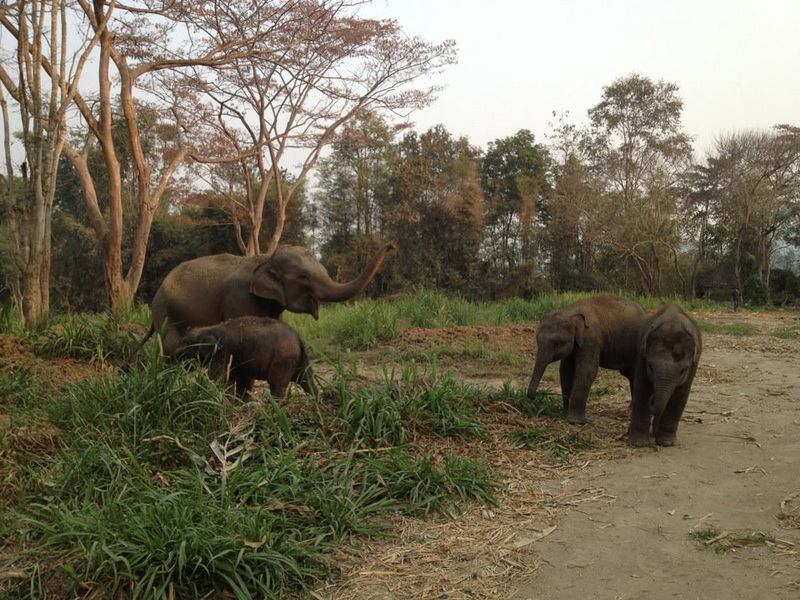
Adding Chiang Mai Outdoor Activities to the Experience
The wider Hang Dong and Chiang Mai region offers a natural counterpoint to time at the farm. Chiang Mai Outdoor Activities can include walking through forested landscapes, exploring streams and rocky terrain, visiting local rural areas, and spending time in national parks. These activities appeal to travelers who want movement and scenery after an animal-focused visit, but they also add a deeper sense of place.
A useful way to combine the experiences is to vary the pace. Time with elephants benefits from attention and patience, while a nature outing may involve longer walks, changing elevations, or closer observation of plants, birds, rock formations, and water. This contrast keeps an itinerary from feeling repetitive. It also reminds visitors that the region’s appeal is not limited to one attraction; it lies in the relationship between communities, farms, forests, and mountain landscapes.
Outdoor plans should be matched to personal ability and local conditions. Uneven ground, heat, humidity, and wet surfaces can make a short walk more demanding than expected. Comfortable clothing, suitable footwear, drinking water, and a willingness to follow local guidance are sensible preparations, although the specific needs depend on the chosen activity. Travelers should also avoid removing plants, disturbing wildlife, or leaving waste behind.
For families and first-time visitors, a gentle nature experience may provide a comfortable balance with the sanctuary visit. More experienced walkers may prefer a stronger focus on terrain and geology. Either way, the outdoor portion should complement the elephant experience rather than turn the day into a race between attractions. Allowing time to notice small details often creates a more memorable connection with northern Thailand.
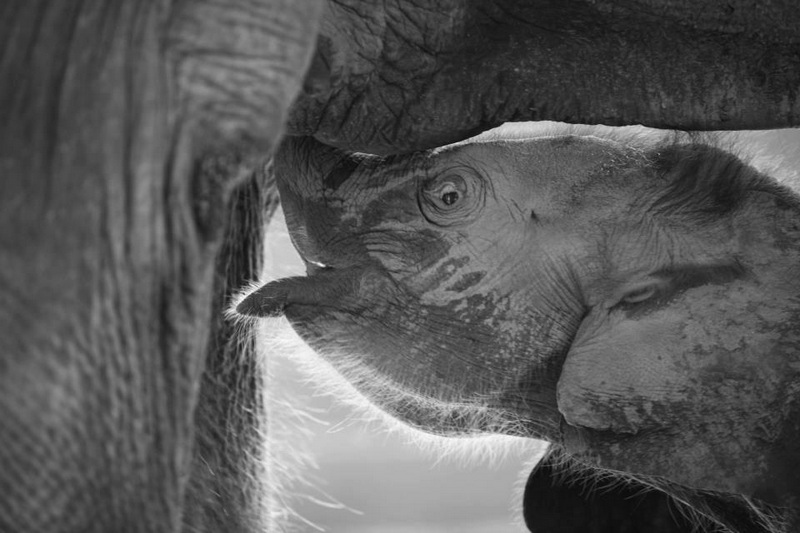
Questions That Make the Visit More Meaningful
A thoughtful visit begins before arrival with a few practical questions about the experience. Visitors can ask how animal care is explained, what forms of interaction are expected, and whether participation is optional. They can also observe whether guides explain boundaries clearly and whether elephants appear able to move away from an activity. These questions are not accusations; they are ways of approaching wildlife tourism with care and curiosity.
It is equally important to remember that observation has limits. A short visit cannot reveal every aspect of an elephant’s life, and travelers should avoid making sweeping claims based on one moment. The most responsible account distinguishes between what was directly explained, what was visibly observed, and what remains unknown. This is especially useful when writing or reading Patara Elephant reviews, because balanced descriptions help future visitors form realistic expectations.
Respect extends to the people who work at the farm. Handlers bring experience and local knowledge to their relationships with elephants, while visitors bring questions shaped by their own expectations. Listening without assuming that one cultural viewpoint explains everything can lead to a more constructive exchange. A sanctuary visit is not only about taking information away; it is also about recognizing the complexity of caring for animals in a changing tourism landscape.
When the visit is followed by time outdoors, the same principles remain relevant. Leave natural places as they are, keep noise low where appropriate, and treat trails and watercourses as shared environments. These small choices connect the sanctuary experience with broader responsible travel habits. They also make the transition from elephant care to national park exploration feel coherent rather than disconnected.
Nearby Attractions
Ob Luang National Park
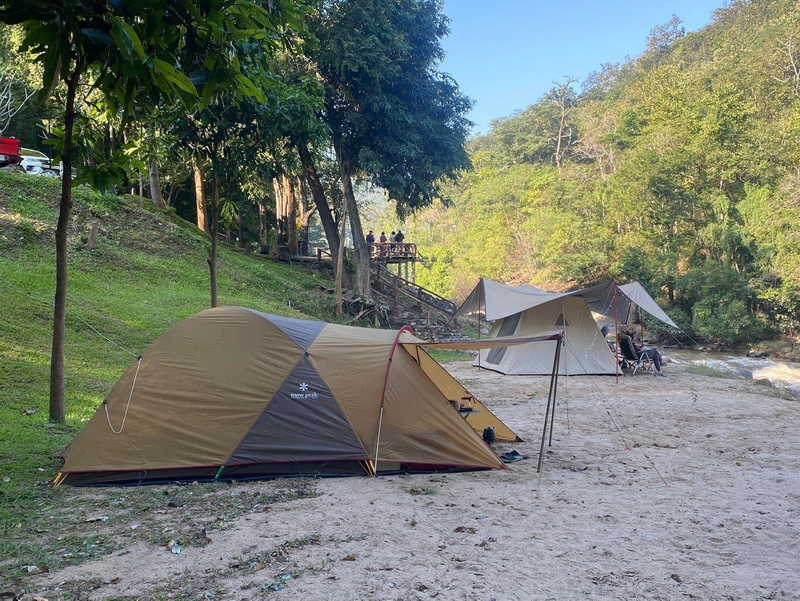
Ob Luang National Park is known for dramatic scenery shaped by the Mae Chaem River, including a narrow gorge, rocky formations, and forested hills. Its landscape gives outdoor travelers a chance to consider the geological forces behind northern Thailand’s terrain. Walking and viewing the gorge can feel very different from spending time at an elephant farm: the park emphasizes scale, water, rock, and changing perspectives across the landscape.
The park is appealing to visitors who enjoy combining natural history with active exploration. River corridors and wooded areas create varied visual experiences, while the terrain encourages travelers to move carefully and remain attentive to conditions. It is best approached as a place for observation rather than rushing through a checklist. The contrast between Ob Luang’s rugged setting and the more personal focus of elephant care can add variety to a Chiang Mai itinerary.
Ob Khan National Park
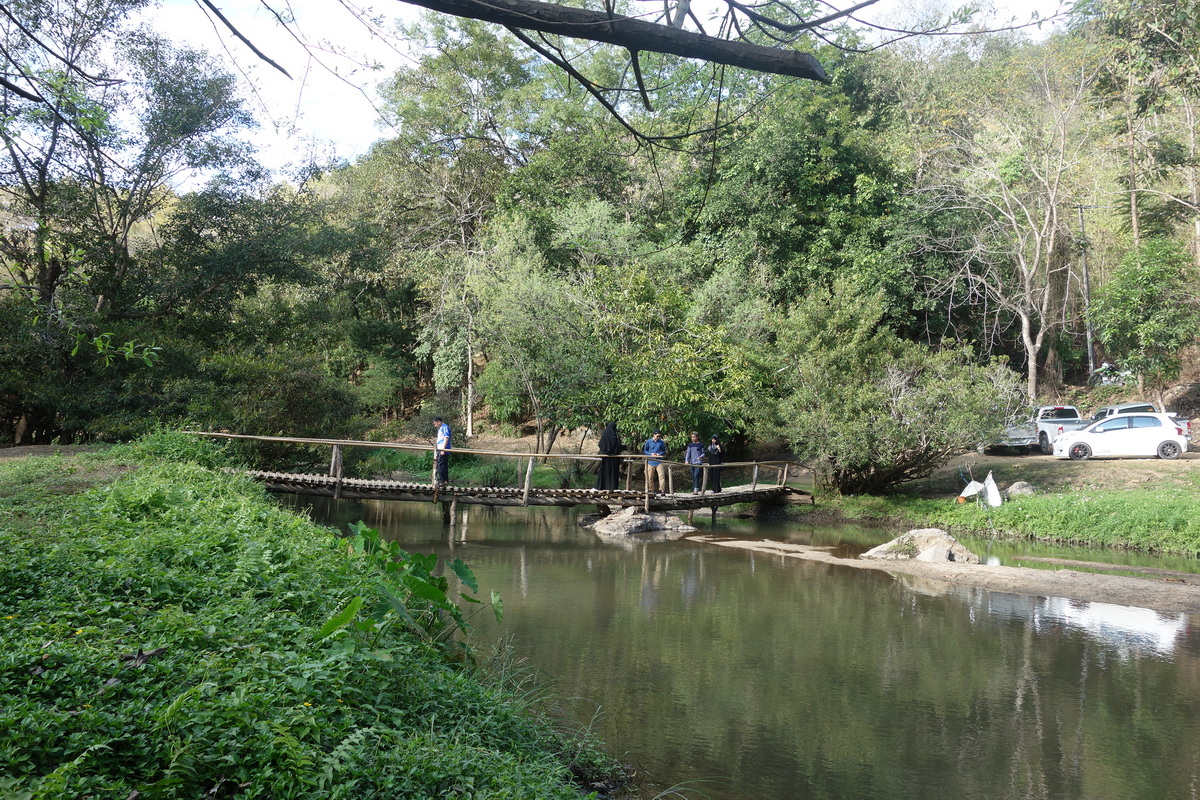
Ob Khan National Park offers another kind of northern Thai landscape, with forest, limestone formations, and waterways creating a quieter nature experience. The park’s appeal comes from the relationship between rock, river, and vegetation. In places, the scenery feels enclosed and intimate, inviting visitors to pause beside the water or study the shapes of the surrounding cliffs and trees.
For travelers interested in nature alongside Patara Elephant Farm, Ob Khan can provide a slower outdoor complement. The experience is less about collecting dramatic viewpoints and more about noticing how a protected landscape changes with light, weather, and water flow. Visitors should follow local guidance, respect any restricted areas, and avoid disturbing plants or wildlife. Combined with a sanctuary visit, the park helps broaden the meaning of responsible travel from animal care to care for whole ecosystems.
The Journey in Perspective
Patara Elephant Farm can be the starting point for a thoughtful exploration of elephants, human-animal communication, and visitor responsibility. Patara Elephant Training adds a valuable educational dimension, while nearby outdoor experiences place the farm within Chiang Mai’s wider natural setting. Ob Luang National Park and Ob Khan National Park offer contrasting landscapes for travelers who want to continue learning through forests, rivers, and rock formations. Taken together, these experiences encourage a slower style of travel—one based on observation, respect, and curiosity rather than simply moving from one attraction to the next.

No comments:
Post a Comment