Exploring Huay Kaew Waterfall and Nearby Cultural Attractions in Chiang Mai
Discover the natural beauty of Huay Kaew Waterfall alongside cultural gems like Chiang Mai Zoo and Doi Pui Hmong Village on your tour in Chiang Mai.
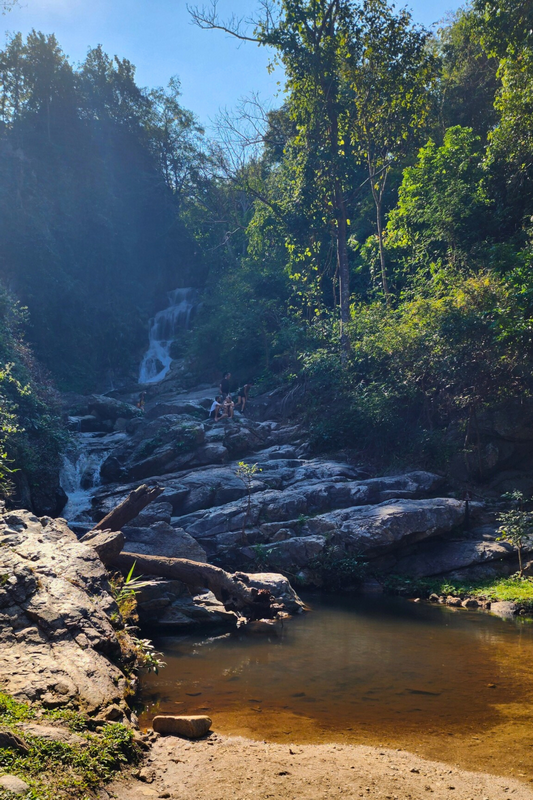
Nestled within the lush landscape of Mueang Chiang Mai District, the Huay Kaew Waterfall is one of the best waterfalls in Chiang Mai, offering visitors a refreshing escape into nature just minutes from the city center. This waterfall is well-loved for its serene cascades and the inviting atmosphere that surrounds it, making it an ideal spot for those seeking both relaxation and natural beauty during their travels. Beyond the waterfall itself, the area is rich with cultural and ecological attractions that complement a visit to Huay Kaew. Nearby, the Chiang Mai Zoo and the Doi Pui Hmong Village provide fascinating insights into local wildlife and hill tribe culture, respectively. These sites offer travelers a well-rounded tour in Chiang Mai, blending the appeal of natural wonders with meaningful cultural experiences. This article explores what makes Huay Kaew Waterfall notable, highlights the nearby cultural attractions, and offers practical tips for planning a visit that combines nature and culture seamlessly. Whether you are a nature lover or a curious traveler eager to learn about local communities, the Huay Kaew area invites you to experience the best of Chiang Mai’s natural and cultural richness.
The Natural Charm of Huay Kaew Waterfall
Huay Kaew Waterfall, also known by variations such as Huai Kaew Waterfall and Huaikaew Waterfall, is a gentle cascade nestled in the foothills near Chiang Mai city. Its accessibility makes it a popular destination for both locals and tourists looking to escape the urban bustle without traveling far. The waterfall flows over smooth rock formations surrounded by verdant forest, creating a peaceful environment ideal for short hikes and nature photography.
Unlike some of the larger waterfalls in the region, Huay Kaew offers a more intimate setting where visitors can enjoy the sound of flowing water and the refreshing mist that cools the air. The surrounding trails are shaded by tropical trees, and the area supports a variety of birdlife and native plants, adding ecological interest to the visit. This waterfall is considered one of the best waterfalls in Chiang Mai for those who appreciate a tranquil natural setting combined with convenient access.
The site is suitable for families and casual hikers, with well-maintained paths leading to several viewpoints. While swimming is not typically recommended due to the rocky terrain and water flow, visitors often enjoy picnicking nearby or simply sitting by the water to relax and take in the scenery. The natural appeal of Huay Kaew Waterfall lies in its harmony of water, forest, and quietude, offering a refreshing break from the city heat.
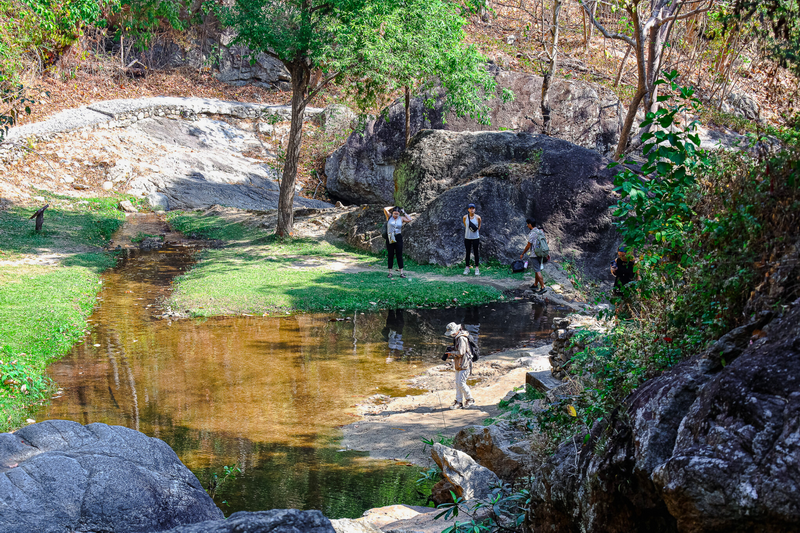
Cultural Insights at Chiang Mai Zoo
Located just a short distance from Huay Kaew Waterfall, Chiang Mai Zoo is a major attraction that complements a nature-focused itinerary with educational and cultural experiences. The zoo is home to a diverse collection of animals, including native Thai species and exotic wildlife, providing visitors with a glimpse into the region’s rich biodiversity and conservation efforts.
Beyond animal exhibits, the zoo is designed to educate visitors about the natural habitats of northern Thailand and the importance of wildlife preservation. It features spacious enclosures that mimic natural environments, offering a more ethical approach to animal care and visitor engagement. For families and travelers interested in ecological education, Chiang Mai Zoo presents an opportunity to deepen understanding of Thailand’s natural heritage.
The zoo's location near Huay Kaew Waterfall also makes it an ideal stop for visitors planning a tour in Chiang Mai that balances natural exploration with cultural and educational activities. With facilities such as walking trails, cafes, and shaded rest areas, the zoo is well-equipped to accommodate a comfortable and enriching visit.
Experiencing Hill Tribe Culture at Doi Pui Hmong Village
Just beyond the city’s edge and near Huay Kaew Waterfall lies Doi Pui Hmong Village, a traditional hill tribe community that offers visitors a respectful window into the customs and lifestyle of the Hmong people. This village is set in a scenic mountainous area, providing not only cultural richness but also stunning views of the surrounding landscape.
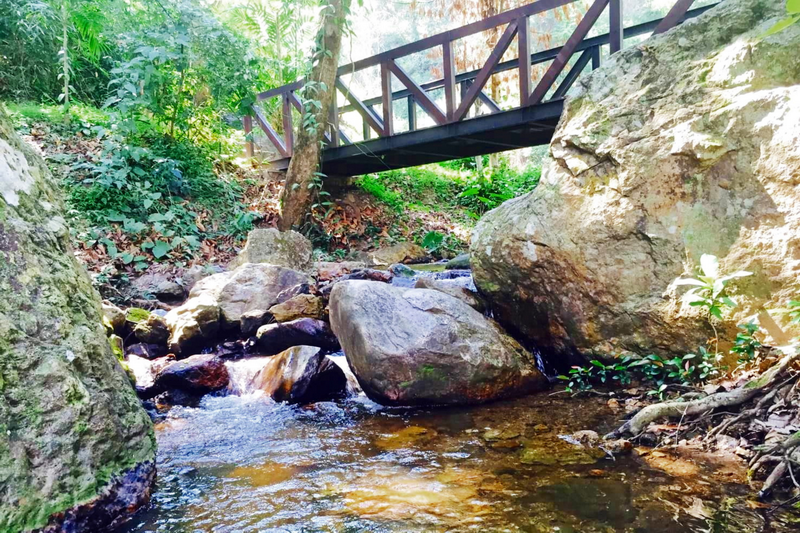
Visitors to Doi Pui are encouraged to approach the village with cultural sensitivity, respecting the community’s traditions and daily life. The village offers handcrafted textiles, traditional foods, and cultural demonstrations such as traditional dress and ceremonies, all presented in a manner that honors the dignity of the people.
Including Doi Pui Hmong Village in a tour in Chiang Mai allows travelers to connect with the living culture of northern Thailand’s hill tribes while supporting sustainable tourism practices. The village’s proximity to Huay Kaew Waterfall makes it convenient for a combined nature and culture day trip, enriching the visitor’s understanding of both environment and community.
Planning Your Tour in Chiang Mai Around Huaykaew Waterfall
When organizing a visit to Huaykaew Waterfall and its nearby attractions, consider starting early in the day to make the most of the cooler morning hours. The waterfall’s location within easy reach of the city center means it can be paired with visits to Chiang Mai Zoo and Doi Pui Hmong Village without long travel times between destinations.
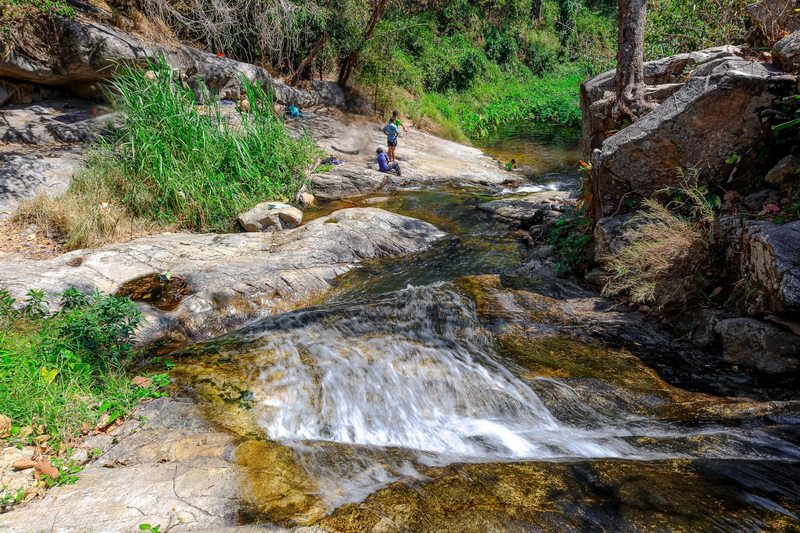
Local tour operators often include Huay Kaew Waterfall as part of broader Chiang Mai tour packages, but independent travelers can also arrange transportation via taxi or rental vehicle. Walking and light hiking shoes are recommended to navigate the waterfall’s trails safely and comfortably.
Visitors should bring essentials such as water, sun protection, and insect repellent, especially when exploring forested areas and the village. Respectful behavior is paramount, particularly in Doi Pui Hmong Village, where engaging with local people should be done with consent and cultural sensitivity.
Combining these sites provides a balanced experience of Chiang Mai’s natural wonders and cultural heritage, making for a fulfilling day trip that highlights the best waterfalls in Chiang Mai alongside meaningful cultural encounters.
Nearby Attractions
Chiang Mai Zoo
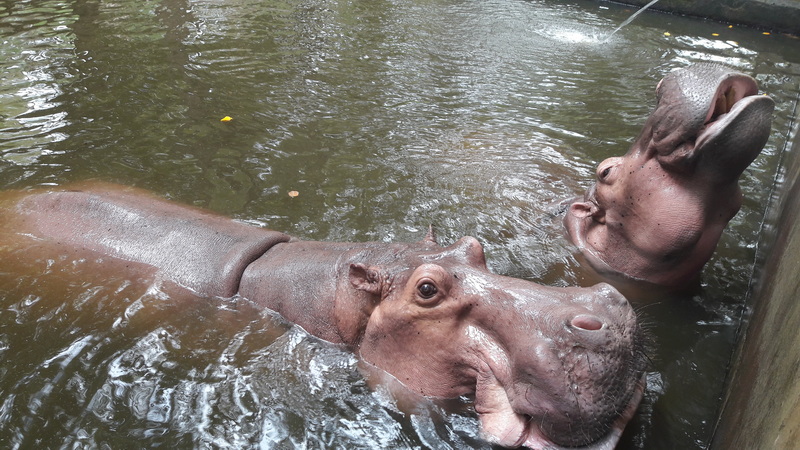
Chiang Mai Zoo is a prominent wildlife park located near Huay Kaew Waterfall, offering visitors a chance to see a variety of animals from Thailand and around the world. The zoo emphasizes conservation and education, with habitats designed to resemble natural environments.
Visitors can enjoy walking through well-maintained paths, observing animals such as pandas, elephants, and tropical birds. The zoo also provides educational programs about local ecosystems and endangered species, making it a meaningful stop for families and nature enthusiasts alike.
Doi Pui Hmong Village
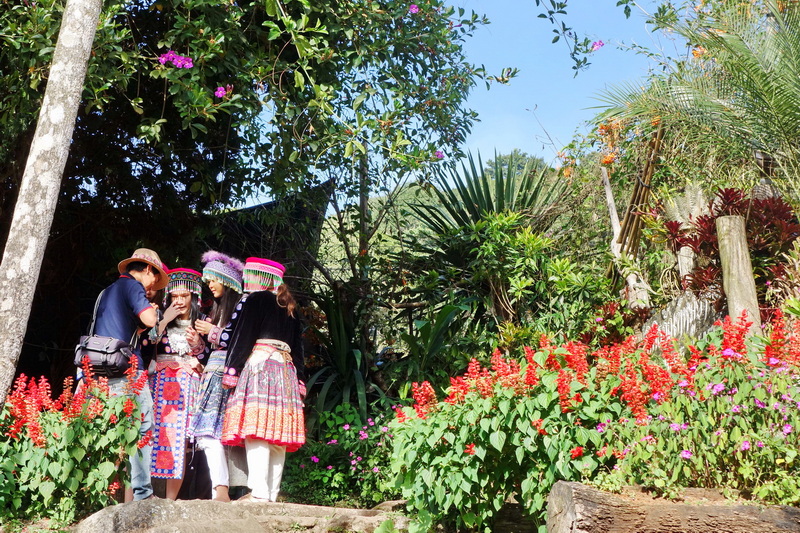
Doi Pui Hmong Village sits in the hills near Huay Kaew Waterfall and is home to the Hmong hill tribe community. The village offers a respectful cultural experience where visitors can learn about traditional crafts, clothing, and the daily lives of the Hmong people.
Set against a backdrop of mountainous scenery, Doi Pui provides insight into northern Thailand’s ethnic diversity. Visitors are encouraged to approach the village with cultural awareness and respect for the community’s privacy and traditions.
The Journey in Perspective
Huay Kaew Waterfall stands out as a serene natural retreat within easy reach of Chiang Mai, inviting travelers to enjoy its soothing cascades and forested surroundings. When combined with visits to the nearby Chiang Mai Zoo and Doi Pui Hmong Village, it becomes part of a rich tour in Chiang Mai that balances ecological wonder with cultural depth. Planning your trip with respect and care ensures a rewarding experience that honors both the environment and local communities. Whether you seek the quiet beauty of waterfalls or the vibrant culture of hill tribes, the Huay Kaew area offers a memorable journey into the heart of northern Thailand’s nature and heritage.

No comments:
Post a Comment