Authentic Hill Tribe Village Experiences with Half-Day and Private Temple Tours at Hmong Doi Pui Village
Discover genuine cultural immersion with half-day tours to Doi Suthep and private temple visits near Muang Chiang Mai
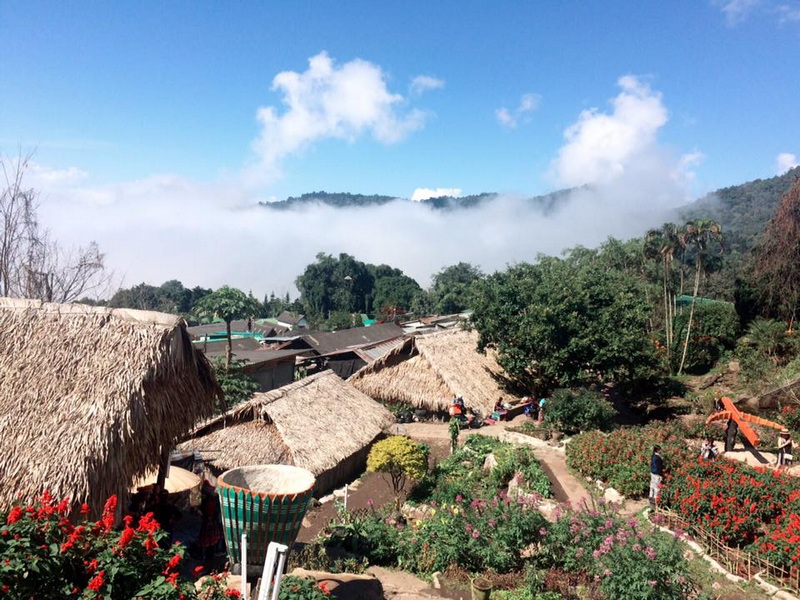
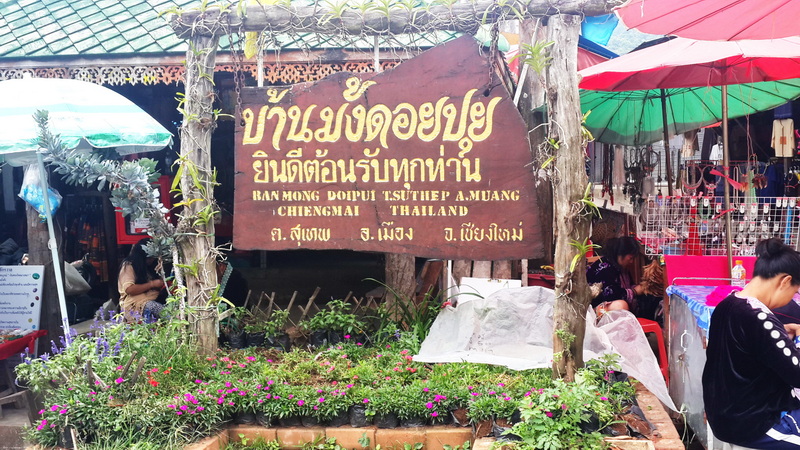
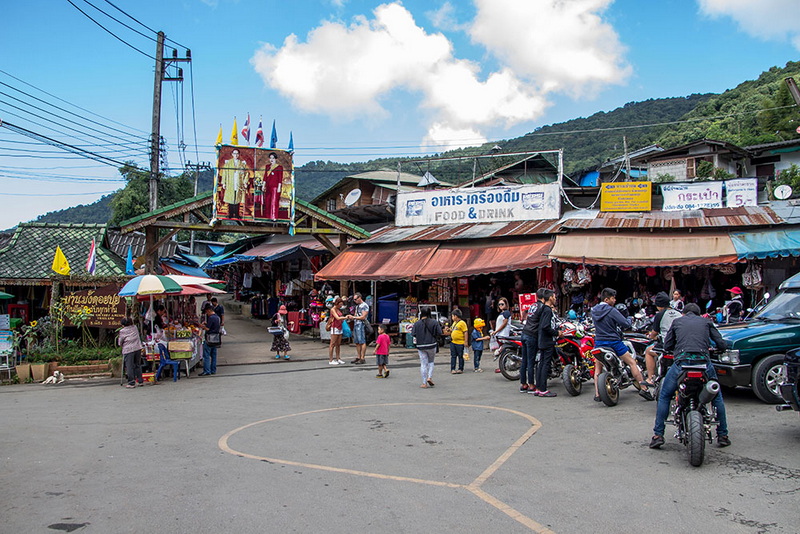
Nestled in the lush highlands of Muang Chiang Mai, the Hmong Doi Pui Village offers travelers a rare opportunity to experience an authentic hill tribe village in Northern Thailand. This village, home to the Hmong people, preserves traditional ways of life, vibrant handicrafts, and a living cultural heritage that invites respectful visitors to learn and connect. For those seeking a focused cultural encounter, combining visits to this village with half-day tours to the nearby Doi Suthep temple and private temple tours provides a meaningful and manageable itinerary. Northern Thailand’s hill tribe villages are often viewed through a lens of exoticism, but Hmong Doi Pui Village stands apart by fostering an environment where dignity and consent guide every visitor interaction. This approach ensures that cultural exchange is both respectful and enriching. Tourists who choose half-day excursions to Doi Suthep and private tours to its temple can deepen their understanding of the region’s spiritual traditions while supporting ethical and community-centered tourism. This article explores how travelers can engage with the Hmong Doi Pui Village authentically, what to expect from half-day and private temple tours, and how nearby attractions like Khun Chang Kian Village and Wat Phra That Doi Suthep enhance the cultural journey. By focusing on genuine experiences and thoughtful planning, visitors can discover the rich tapestry of Northern Thailand’s indigenous heritage.
The Cultural Heart of Hmong Doi Pui Village
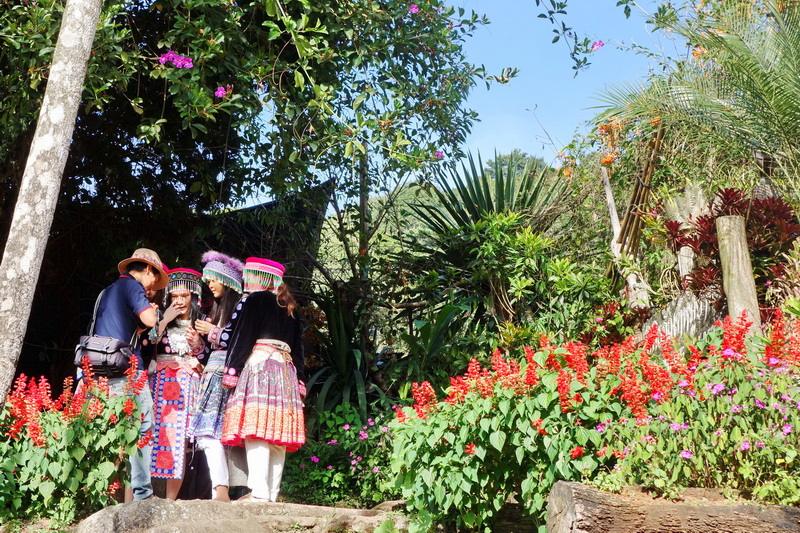
Hmong Doi Pui Village is more than just a tourist destination; it is a living community where the traditions of the Hmong people continue to thrive. Located in the mountainous terrain of Muang Chiang Mai, this village showcases the daily rhythms, crafts, and customs that have been passed down through generations. Visitors can observe the intricate embroidery and weaving for which the Hmong are renowned, as well as learn about their agricultural practices and traditional ceremonies. Travelers researching Authentic Hill Tribe Village Thailand can use these details when planning the trip. Travelers researching Doi Suthep half-day tour can use these details when planning the trip. Travelers researching Private Tour Doi Suthep Temple can use these details when planning the trip.
The village’s cultural background is rooted in a history of migration and adaptation. The Hmong people originally migrated from southern China and have settled in various parts of Southeast Asia, including Northern Thailand. Their identity is closely tied to their language, clothing, and spiritual beliefs, which often blend animist and Buddhist elements. Respectful visitors will notice the importance of community participation and consent in any cultural presentation, emphasizing that these traditions are not performances but ongoing ways of life.
Visiting Hmong Doi Pui Village provides a unique chance to engage with an indigenous culture that values authenticity and dignity. Travelers are encouraged to approach the village with curiosity and respect, understanding that each interaction contributes to the preservation of cultural heritage. This mindset fosters ethical cultural encounters and supports local livelihoods without commodifying their traditions.
Exploring Spiritual Heritage with Doi Suthep Half-Day Tours
A half-day tour to Doi Suthep complements a visit to Hmong Doi Pui Village by offering insight into Northern Thailand’s spiritual landscape. Wat Phra That Doi Suthep, perched atop Doi Suthep mountain, is one of the most revered temples in the region and a pilgrimage site for many Thai Buddhists. The temple’s golden chedi, intricate murals, and panoramic views of Chiang Mai provide a serene atmosphere for reflection and cultural appreciation.
Half-day tours typically include transportation from Chiang Mai city, a guided walk through the temple complex, and time to observe local monks and devotees in prayer. These tours balance cultural education with manageable timing, making them ideal for travelers who want to combine spiritual exploration with other regional activities. The guided element helps visitors understand the symbolism and religious significance of the temple’s architecture and rituals without intruding on sacred moments.
For visitors interested in ethical tourism, half-day tours to Doi Suthep are often designed to support the temple’s upkeep and the surrounding community. By choosing reputable guides and operators, travelers contribute to preserving this important cultural site while gaining a deeper appreciation for Northern Thailand’s Buddhist traditions.
Personalized Experiences with Private Tour to Doi Suthep Temple
Private tours to Doi Suthep Temple offer an exclusive and flexible way to explore this iconic spiritual site. Unlike group tours, private tours allow visitors to tailor their itinerary according to personal interests and pace, whether that means spending extra time in meditation halls, photographing the temple’s art, or learning about specific religious practices from knowledgeable guides.
These tours often include transportation and the option to visit less frequented areas of the temple grounds, providing a more intimate experience. Private guides can also share stories and historical context that deepen visitors’ understanding of the temple’s role in Northern Thai culture and the broader Buddhist world.
Combining a private temple tour with a visit to Hmong Doi Pui Village enriches the travel experience by linking spiritual heritage with indigenous cultural traditions. This approach aligns well with travelers who seek meaningful engagement rather than superficial sightseeing, emphasizing respect, learning, and ethical interaction throughout the journey.
Enhancing Your Visit with Nearby Cultural Attractions
The region around Hmong Doi Pui Village and Doi Suthep is dotted with other culturally significant sites that provide broader context and enrichment to your visit. Khun Chang Kian Village, for example, is a nearby agricultural community known for its flower gardens and peaceful rural ambiance. Visiting Khun Chang Kian offers a glimpse into Northern Thailand’s farming traditions and local way of life, complementing the hill tribe experience.
Wat Phra That Doi Suthep itself is not only a spiritual center but also a gateway to understanding the cultural fabric of Chiang Mai province. The temple’s festivals, ceremonies, and daily rituals provide opportunities to witness living religious traditions that have shaped the region for centuries.
Including these nearby attractions in your itinerary helps create a layered and immersive cultural experience. It allows travelers to appreciate the diversity of Northern Thailand’s communities while maintaining a respectful and ethical approach to tourism.
Respectful Preparation and Visitor Expectations
Engaging authentically with Hmong Doi Pui Village and the surrounding sites requires thoughtful preparation. Visitors should research the cultural norms and etiquette of hill tribe communities, including appropriate dress, photography permissions, and communication styles. It is important to recognize that these are living cultures, not tourist attractions, and to prioritize the dignity and consent of local residents in every interaction.
When booking half-day or private tours, travelers are encouraged to select operators who demonstrate respect for ethical tourism practices, ensuring that tour proceeds benefit the local communities and temple preservation efforts. Avoiding commodification and exoticization helps maintain the integrity of the cultural experience for both visitors and hosts.
Additionally, practical considerations such as comfortable footwear, sun protection, and hydration are essential when exploring mountainous terrain and temple complexes. Being mindful of seasonal weather and temple opening hours will further enhance the visit.
Ultimately, approaching your trip with open-mindedness and respect fosters a rewarding experience that honors the heritage of the Hmong people and the spiritual traditions of Doi Suthep.
Nearby Attractions
Khun Chang Kian Village
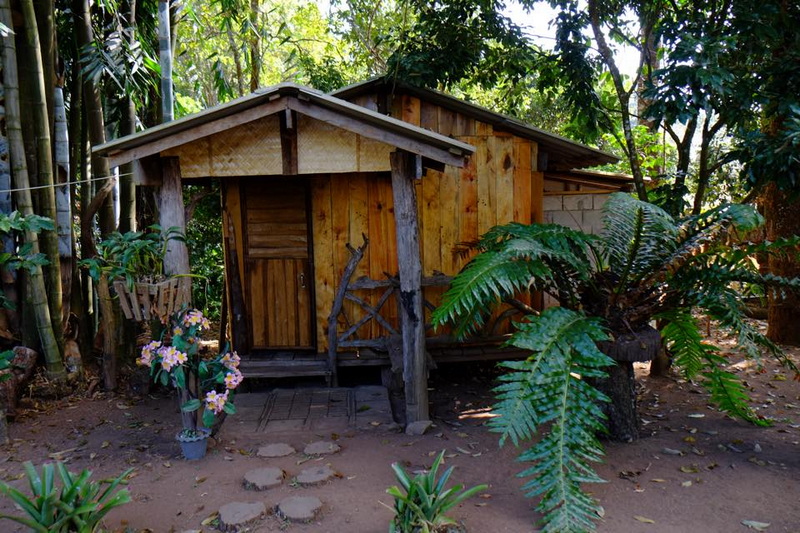
Khun Chang Kian Village lies just a short distance from Hmong Doi Pui Village and offers visitors a serene rural setting to explore Northern Thailand’s agricultural lifestyle. Known for its expansive flower gardens and cool mountain air, this village provides a peaceful contrast to the bustling city of Chiang Mai.
Visitors can stroll through the gardens, interact with local farmers, and gain insight into traditional farming methods that have sustained the community for generations. Khun Chang Kian’s emphasis on natural beauty and simple living enriches the cultural narrative of the region, making it a worthwhile addition to any itinerary focused on authentic experiences.
Wat Phra That Doi Suthep
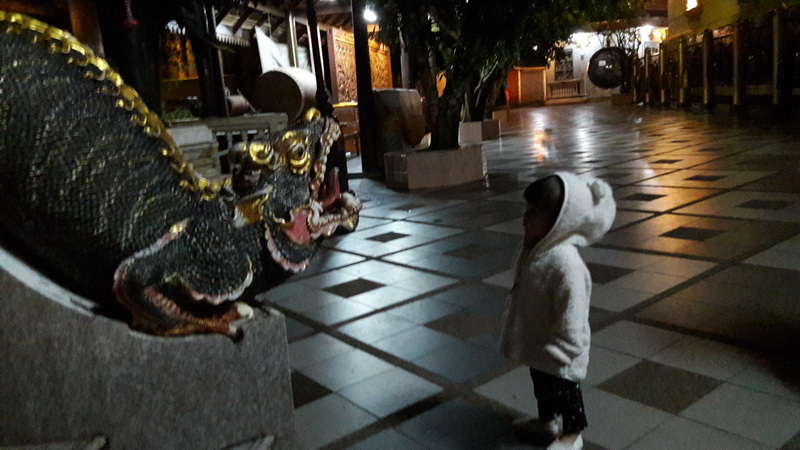
Wat Phra That Doi Suthep is one of Northern Thailand’s most iconic Buddhist temples, renowned for its stunning golden chedi and panoramic views overlooking Chiang Mai. The temple is a spiritual landmark attracting pilgrims and tourists alike, deeply embedded in the region’s religious and cultural identity.
Visitors can explore ornate halls adorned with intricate murals depicting Buddhist teachings and local legends. The temple grounds also feature sacred relics and statues that provide a tangible connection to the faith and history of the area. Attending ceremonies or observing monks in daily practice offers a respectful glimpse into the living traditions that continue to shape Northern Thai culture.
The Journey in Perspective
Visiting Hmong Doi Pui Village alongside half-day and private temple tours to Doi Suthep provides a rich and respectful way to engage with Northern Thailand’s indigenous and spiritual heritage. By prioritizing authentic cultural experiences and ethical tourism practices, travelers not only gain meaningful insights but also support the preservation and dignity of local communities. Including nearby attractions like Khun Chang Kian Village and Wat Phra That Doi Suthep further deepens this cultural immersion, creating a balanced and thoughtful itinerary. With preparation and an open heart, visitors can discover a Northern Thailand that honors tradition, spirituality, and genuine human connection.

No comments:
Post a Comment