Wednesday, July 29, 2026

Day Trips and Cave Temples Around Tham Chiang Dao

Day Trips and Cave Temples Around Tham Chiang Dao

Discover cultural cave temples and natural wonders on a memorable Chiang Dao day trip

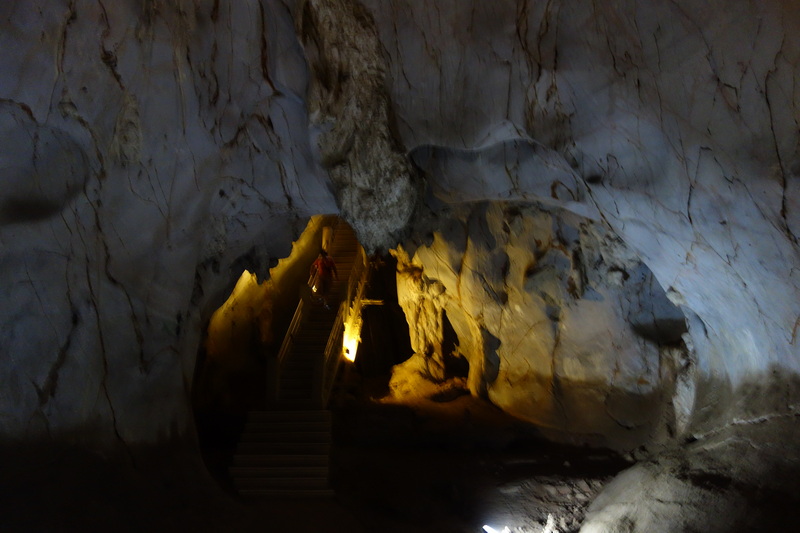
Close-up of stalactite formations inside a dark cave with uneven rocks at Tham Chiang Dao.

Nestled in the mountainous region of northern Thailand, Chiang Dao offers travelers a unique blend of cultural heritage and natural beauty. Among its many attractions, Tham Chiang Dao stands out as a captivating cave temple complex that draws visitors interested in both spiritual exploration and geological wonder. This destination provides an immersive experience, combining the quiet reverence of Buddhist cave temples with the awe-inspiring formations of one of Chiang Mai’s most famous limestone caves. For those planning a Chiang Dao Cave Day Trip, the area presents more than just the caves themselves. The surrounding landscape is rich with natural parks and mineral springs, offering a well-rounded itinerary for travelers seeking both cultural insights and outdoor relaxation. This guide highlights the top things to do in Chiang Mai’s Chiang Dao region, focusing on the cultural significance of the cave temples, practical day trip options, and nearby natural attractions that complement the experience.

Exploring Chiang Dao: A Day Trip Overview

A day trip to Chiang Dao is an ideal way to escape the busier city atmosphere of Chiang Mai and immerse yourself in a region where nature and spirituality converge. The area is famed for its extensive cave systems, including Tham Chiang Dao, which is often regarded as one of the most impressive cave temples in northern Thailand. Visitors can expect to spend several hours exploring the cave’s chambers, which are adorned with stalactites, stalagmites, and Buddhist shrines that have been respectfully maintained by local communities.

Chiang Dao Cave Day Trip itineraries typically include guided visits to the temples within the cave, where the spiritual ambiance is palpable. The caves serve not only as a natural wonder but also as a place of worship and meditation, reflecting deep-rooted religious traditions. This dual identity enriches the visitor experience, offering insight into the cultural and religious practices of the region alongside the geological marvels.

Beyond the caves, the surrounding countryside invites exploration through scenic trekking routes and visits to local villages, providing a fuller picture of Chiang Dao’s heritage and natural environment. This combination makes the area a compelling destination for travelers interested in both cultural discovery and nature-based activities.

Close-up view of cave formations with dripping stalactites and mineral deposits at Tham Chiang Dao.

The Cultural and Religious Importance of Chiang Mai Cave Temples

Chiang Mai Cave Temples, including Tham Chiang Dao, hold significant cultural and spiritual value for local communities. These caves have long been used as meditation sites for Buddhist monks and hermits seeking solitude and inspiration within the natural surroundings. The temples inside the caves are adorned with Buddha statues, altars, and offerings, creating a sacred atmosphere that invites quiet reflection and respect.

The limestone formations within the cave are often interpreted symbolically, with stalactites and stalagmites considered natural sculptures that enhance the spiritual setting. Visitors are encouraged to approach these sites with reverence, understanding that they remain active places of worship. This respect for living cultural practices is essential to preserving the dignity and authenticity of the experience.

The presence of the cave temples also highlights the integration of nature and religion in northern Thai culture. These sites are not merely tourist attractions but are woven into the spiritual fabric of the region, representing centuries of religious devotion and community care.

Top Things To Do In Chiang Mai Near Chiang Dao

While the Tham Chiang Dao cave temples are the centerpiece of any visit, the area offers a variety of complementary activities that enrich the day trip. Exploring the nearby natural parks and mineral springs allows travelers to appreciate the diverse landscape around Chiang Dao.

Inside a cave with statues and wall paintings, dimly lit at Tham Chiang Dao.

One popular activity is hiking in the nearby Pha Daeng National Park, which features lush forests, diverse wildlife, and panoramic mountain views. The park’s well-maintained trails cater to a range of fitness levels, making it accessible for most visitors. This natural setting provides a peaceful contrast to the cave’s enclosed chambers and deepens the connection with the region’s environment.

Another notable attraction is the Ban Yang Pu Toh mineral hot springs. These springs offer a relaxing experience where visitors can soak in warm, mineral-rich waters believed to have therapeutic properties. This wellness aspect complements the spiritual rejuvenation found in the cave temples, rounding out a day of cultural and natural exploration.

Together, these attractions create a balanced itinerary that highlights why Chiang Dao remains a favored destination for travelers seeking both cultural depth and nature-based activities.

Planning Your Chiang Dao Cave Day Trip

When organizing a Chiang Dao Cave Day Trip, it is helpful to consider the logistics to maximize your experience. The cave complex is accessible from Chiang Mai city by car or local transport, with travel times averaging around one to two hours depending on traffic and starting point. Early departures allow visitors to enjoy the cooler morning hours inside the cave and avoid crowds.

Statue of an elderly man with traditional attire inside a cave surrounded by colorful decorations at Tham Chiang Dao.

Visitors should prepare for a moderately active visit, as exploring the cave involves walking through uneven terrain and some low-light conditions. Comfortable footwear and a flashlight or headlamp are recommended to safely navigate the chambers. Modest attire is also advisable, respecting the religious nature of the cave temples.

Combining your cave visit with excursions to Pha Daeng National Park or the Ban Yang Pu Toh mineral hot springs can create a fulfilling day of discovery. Many travelers choose to pack a picnic or plan meals in nearby local eateries to experience regional cuisine and hospitality.

Above all, maintaining a respectful attitude toward the cave temples and the local communities is essential. Observing cultural sensitivity by following site guidelines and refraining from disruptive behavior ensures that these treasured sites remain preserved for future visitors and worshippers alike.

Nearby Attractions

Pha Daeng National Park

Wooden observation deck overlooking lush mountain landscape with blue sky and clouds at Pha Daeng National Park.

Pha Daeng National Park lies close to Chiang Dao and is a haven for nature lovers. The park encompasses dense forests, rugged mountains, and a variety of wildlife habitats. Visitors can embark on hikes through well-marked trails, ranging from gentle walks to challenging treks that reward with sweeping views of the surrounding valleys.

The park’s biodiversity and scenic beauty offer a refreshing complement to the cultural experience of the caves. Birdwatching and photography are popular activities here, as the park is home to numerous native species. Its serene environment makes it an ideal spot for those seeking quiet reflection amidst nature.

Ban Yang Pu Toh mineral hot springs

Aerial view of two small outdoor pools with surrounding greenery and buildings nearby at Ban Yang Pu Toh mineral hot springs.

Ban Yang Pu Toh mineral hot springs provide a soothing retreat after exploring the caves and surrounding hills. These natural springs are known for their warm, mineral-rich waters, which many believe have healing effects on the body and mind. The springs are set within a tranquil environment surrounded by trees and natural rock formations.

Visitors can enjoy soaking in the pools, which are maintained for comfort and cleanliness, offering a restorative experience that complements the spiritual and natural aspects of the Chiang Dao day trip. The springs also provide insight into traditional wellness practices valued by local communities.

The Journey in Perspective

A day trip centered around Tham Chiang Dao offers more than just sightseeing—it invites travelers into a space where cultural reverence and natural wonder coexist. The Chiang Mai Cave Temple within the cave complex is a profound reminder of the region’s spiritual heritage, while the surrounding parks and mineral springs enrich the journey with opportunities for outdoor adventure and relaxation. By approaching these sites with respect and curiosity, visitors can gain meaningful insight into northern Thailand’s unique blend of nature and culture, making their visit to Chiang Dao an unforgettable chapter in their travel story.

Monday, July 27, 2026

2-Day Trek and Day Trips to Doi Luang Chiang Dao

2-Day Trek and Day Trips to Doi Luang Chiang Dao

A practical guide to 2-day trekking adventures and nature-filled day trips from Chiang Mai

Mountain landscape above clouds with trees in the foreground at Doi Luang Chiang Dao.

Planning a trekking journey in northern Thailand often leads travelers to Doi Luang Chiang Dao, a renowned mountain that stands as the third highest peak in the country. For those considering a 2 day Trek Chiang Mai experience, Doi Luang Chiang Dao offers a blend of challenge, scenery, and rewarding nature. Whether you’re seeking an immersive multi-day adventure or a well-paced day trip from Chiang Mai, this area provides a flexible canvas for outdoor exploration. Unlike shorter hikes or single-day excursions, a two-day trek allows you to experience the changing light and atmosphere of the mountain, witness sunrise or sunset from high vantage points, and immerse yourself in the unique ecosystem of the doi luang chiang dao forest park. If your time is limited or you want to sample the region’s beauty without an overnight stay, day trips from Chiang Mai are also a popular option—providing a taste of the region’s landscapes and nearby wellness attractions. This guide is designed for trekkers who want to plan efficiently, maximize their time in nature, and understand the practicalities of a Doi Luang Chiang Dao Trek. You’ll find essential information about trekking durations, what to expect on the trail, and how nearby attractions like Pha Daeng National Park and Ban Yang Pu Toh mineral hotsprings can complement your trip. Read on to explore how to shape your Chiang Dao adventure, whether you have a weekend or just a day to spare.

2-Day Trekking Options at Doi Luang Chiang Dao

A 2-day trek at Doi Luang Chiang Dao is a classic choice for those looking to experience the mountain beyond a quick visit. The ascent is typically gradual, allowing trekkers to acclimatize and appreciate the diverse terrain—ranging from dense forest at the base to limestone ridges near the summit. While the exact route can vary, most treks begin at the entrance of the doi luang chiang dao forest park or adjacent wildlife sanctuary, continuing through bamboo groves and open meadows.

The first day often involves a steady climb, with breaks to observe native flora and, on occasion, glimpses of wildlife such as birds or butterflies. Camp is usually set up on a plateau or at a designated campsite, providing basic shelter and a communal space to rest. The highlight of the second day is the final push to the summit (2,225 meters), where panoramic views stretch across the Chiang Dao region and, on clear days, reveal distant peaks and valleys.

Expansive view of forested mountains near Doi Luang Chiang Dao.

Trekking at this pace allows for a deeper connection with the landscape and the rhythms of the mountain. While the trail is physically demanding in places, it is accessible to those with moderate fitness and a sense of adventure. Guided groups are common, and local guides can share insights about the ecosystem and responsible travel practices. It’s important to respect all regulations set by the forest park and wildlife sanctuary, as the area is recognized for its biodiversity and conservation efforts.

Day Trips from Chiang Mai: How They Fit Into Your Trekking Plan

For travelers who prefer not to camp or who have limited time, day trips from Chiang Mai to Doi Luang Chiang Dao present a flexible alternative. These trips typically include transport to the trailhead, a guided hike along scenic sections of the lower mountain, and opportunities to explore the surrounding natural attractions before returning to Chiang Mai in the evening.

While a day trip does not allow for a summit attempt, it does provide a meaningful introduction to the region’s landscapes and flora. The trails are well-marked, and many visitors combine hiking with visits to local villages, viewpoints, or wellness stops. This approach is ideal for those who want to experience the mountain’s atmosphere without the logistical considerations of overnight trekking.

Scenic view of Chiang Dao mountains with trees and a house in the foreground at Doi Luang Chiang Dao.

Day trips can also serve as a prelude or follow-up to a longer trek, allowing you to acclimatize, scout the terrain, or simply enjoy a relaxed pace in nature. If you’re planning a Doi Luang Chiang Dao Trek as part of a broader Chiang Mai itinerary, consider how a day trip fits with your travel goals and available time.

What to Expect on a Doi Luang Chiang Dao Trek

The Doi Luang Chiang Dao Trek is celebrated for its dramatic limestone formations, cool mountain air, and diverse plant life. Trekkers should expect variable weather conditions—mornings and evenings can be chilly, especially during the cool season, while midday sun can be intense. The path itself is a mix of forest trails, rocky steps, and open ridges, with some steep ascents and descents.

Mist envelops the valley beneath the mountain peaks of Doi Luang Chiang Dao.

A typical trekking group moves at a steady pace, with regular breaks for hydration and photography. While wildlife sightings are never guaranteed, the area is home to rare species of birds and plants, making it a favorite among nature enthusiasts. The summit, often reached at sunrise or sunset, offers some of the most breathtaking views in northern Thailand.

Preparation is essential: sturdy footwear, layered clothing, and sufficient water are musts. Respect for conservation rules is key, as Doi Luang Chiang Dao’s status as a wildlife sanctuary and forest park helps preserve its unique ecosystem. Local guides can explain the significance of various plants and the importance of leaving no trace during your trek.

Wellness and Nature: Enhancing Your Trek with Nearby Attractions

Beyond the main trek, the Chiang Dao region is known for its wellness and nature attractions, making it easy to combine physical adventure with relaxation. Pha Daeng National Park, located nearby, offers additional hiking opportunities, waterfalls, and scenic viewpoints. Its trails are generally less strenuous than the main summit trek but provide a fresh perspective on the area’s landscapes.

For those seeking post-trek rejuvenation, Ban Yang Pu Toh mineral hotsprings offer a natural wellness experience. The hot springs are set in a tranquil forest environment, where visitors can soak in mineral-rich waters and unwind after a day of hiking. These attractions can be visited either as part of a day trip or as an extension to your multi-day trek, making them popular choices for travelers who want both activity and relaxation.

Combining trekking with time in these natural sanctuaries allows for a balanced itinerary and a deeper appreciation of Chiang Dao’s ecological diversity. It’s important to approach all wellness and nature sites with sensitivity, following local guidelines and respecting the quiet atmosphere.

Practical Considerations for Trekking and Day Trips

When planning a 2 day Trek Chiang Mai adventure or a day trip to Doi Luang Chiang Dao, consider the season, your fitness level, and the type of experience you want. The cool and dry months (November to February) are generally considered the best time for trekking, offering clear skies and comfortable temperatures. However, the area’s popularity means that permits and guides may need to be arranged in advance, especially during peak season.

Pack light but bring essentials: weather-appropriate clothing, rain gear, headlamp, and personal first-aid supplies. If you’re trekking overnight, check what equipment is provided by your guide or operator. For day trips, focus on comfort and sun protection, as well as snacks and water for the trail.

Always follow the guidance of local authorities and respect conservation regulations. The area’s designation as a wildlife sanctuary and forest park is not only for visitor safety but also for the protection of rare species and habitats. Responsible trekking ensures that future generations can continue to enjoy Doi Luang Chiang Dao’s natural beauty.

Nearby Attractions

Pha Daeng National Park

Wooden deck overlooking the forested mountains of Pha Daeng National Park.

Pha Daeng National Park is a scenic natural area neighboring Doi Luang Chiang Dao. Known for its lush forests, waterfalls, and quieter hiking trails, the park provides a peaceful setting for nature walks and photography. Its viewpoints offer panoramic glimpses of the surrounding mountains, making it a rewarding addition for those who wish to extend their trekking experience or enjoy a less-challenging day hike.

Ban Yang Pu Toh mineral hotsprings

Aerial view of two circular mineral hot spring pools at Ban Yang Pu Toh at Ban Yang Pu Toh mineral hotsprings.

Ban Yang Pu Toh mineral hotsprings are a popular wellness destination near Chiang Dao. Set amid forested hills, these natural hot springs offer visitors a chance to relax in mineral-rich waters after a day of trekking or sightseeing. The area is maintained to preserve its tranquil atmosphere, encouraging quiet reflection and gentle enjoyment of the natural setting.

The Journey in Perspective

Doi Luang Chiang Dao stands out as a premier destination for both dedicated trekkers and those seeking restorative day trips from Chiang Mai. Whether you commit to a 2-day trek or opt for a shorter nature excursion, the mountain’s unique landscapes and nearby wellness sites offer a blend of adventure and tranquility. Careful planning—considering season, duration, and your own interests—will help you make the most of your time in this remarkable region. By respecting conservation guidelines and approaching each experience with curiosity and care, you can enjoy the best of Doi Luang Chiang Dao while contributing to its ongoing preservation.

Thursday, February 13, 2025

Pang Ung A Hidden Paradise in Northern Thailand

Pang Ung Experience Misty Mornings and Stunning Views

pang ung, pang oung, pang oong, pang ung mae hong son, pang oung mae hong son, pang oong mae hong son

A breathtaking escape into nature where misty mornings, towering pines, and serene waters create a magical experience

The Enchanting Beauty of Pang Ung

The first rays of dawn stretched across the tranquil waters of Pang Ung, casting a golden glow on the mist floating lazily above. Known as the "Switzerland of Thailand," this hidden gem in Mae Hong Son Province enchants visitors with its breathtaking scenery, crisp mountain air, and romantic ambiance. As you walk along the lakeside, the towering pine trees whisper in the breeze, their reflections dancing on the still water.

pang ung, pang oung, pang oong, pang ung mae hong son, pang oung mae hong son, pang oong mae hong son

A Symphony of Nature

Imagine waking up to the sound of birds chirping while the early morning mist rolls over the reservoir, creating an ethereal scene. The lake is home to graceful swans gliding through the water, adding a touch of elegance to an already dreamlike landscape. Visitors often find themselves mesmerized by the sheer tranquility, making Pang Oong a must-visit destination for nature lovers and photographers alike.

Absorb the Beauty of Pang Ung

Enjoy the beautiful sunset view or sit on a raft and take in the breathtaking scenery on both sides, amidst the long morning mist. While sitting on the raft, you may encounter "black swans" and "white swans," which are swans given by Her Majesty Queen Sirikit, the Queen Mother. These moments allow you to capture impressive images, creating lasting memories of your visit to this stunning retreat.

pang ung, pang oung, pang oong, pang ung mae hong son, pang oung mae hong son, pang oong mae hong son

Camping Under the Starlit Sky

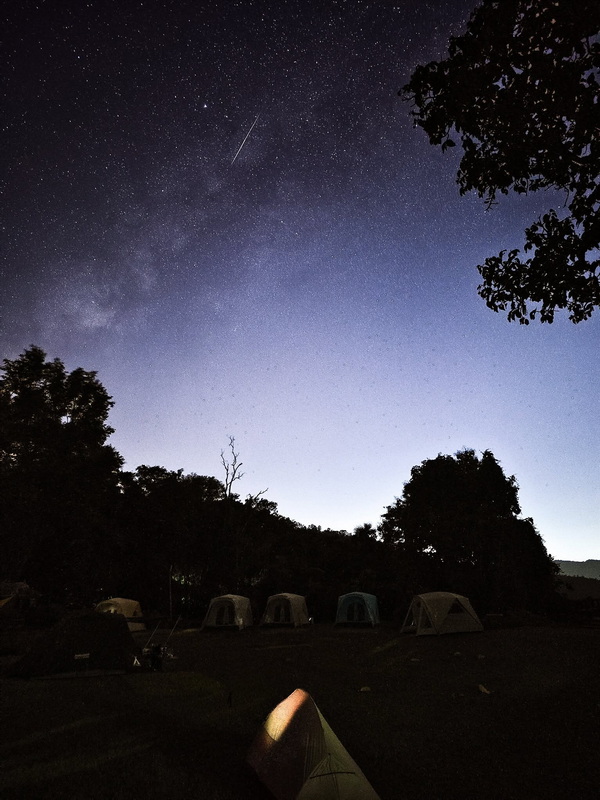
For those who wish to immerse themselves in the beauty of Pang Ung, an overnight stay is highly recommended. Whether you choose a cozy lakeside homestay or set up camp under a sky filled with stars, the experience is nothing short of magical. As night falls, the temperature drops, wrapping you in a refreshing coolness that makes every moment unforgettable.

ban rak thai, rak thai village

Exploring Beyond the Lake

While Pang Ung itself is a mesmerizing sight, nearby attractions add even more charm to the journey. Take a short drive to Ban Rak Thai, a picturesque Yunnan-style village famous for its tea plantations and traditional Chinese culture. Alternatively, visit Namtok Pha Suea - Tham Pla National Park, where cascading waterfalls and lush greenery await those seeking adventure and tranquility.

pang ung, pang oung, pang oong, pang ung mae hong son, pang oung mae hong son, pang oong mae hong son

Getting to Pang Ung

Reaching Pang Ung is an adventure in itself. The journey from Muang Mae Hong Son takes approximately two hours, winding through scenic mountain roads. If you're traveling as part of a Mae Hong Son Tour Package, you can incorporate Pang Ung into your route, whether arriving via Pai or Mae Sariang. A private vehicle is recommended, as public transportation options are limited.

Experience the Unparalleled Beauty of Pang Ung

For those seeking a retreat into nature, Pang Oong offers an experience unlike any other. Whether you're gazing at the morning mist, enjoying a boat ride on the serene lake, or savoring a warm cup of tea in a nearby village, this destination captures the soul. Escape the noise of the city and let the beauty of Pang Oong fill you with a sense of wonder and peace.

Wednesday, February 5, 2025

Su Tong Pae Bridge

Su Tong Pae Bridge: Why 2 Hours Here Feels Like a Lifetime of Magic

su tong pae bridge, su tong pae bamboo bridge, su tong pae, sutongpae bridge, sutongpae bamboo bridge

A short visit packs a punch—discover how this bamboo bridge delivers culture, beauty, and serenity in just a few hours.

Hey, Let’s Talk About This Bamboo Gem!

Okay, so you’re in Maehongson, right? You’ve probably heard whispers about the Su Tong Pae Bridge—a 500-meter bamboo wonder that’s equal parts spiritual and Instagrammable. But here’s the thing: You don’t need all day here. Seriously, 2–3 hours is plenty to soak it all in. Trust me, I’ve timed it!

su tong pae bridge, su tong pae bamboo bridge, su tong pae, sutongpae bridge, sutongpae bamboo bridge

Why It’s Perfect for a Short Visit

First off, mornings are golden (literally). Arrive by 6 AM to catch monks collecting alms from villagers on the bridge. It’s a 30-minute ritual that’ll leave you in awe. Snap some photos, walk the creaky bamboo planks (takes about 20 minutes round-trip), and breathe in the rice-field views. Boom—you’ve already nailed the highlights. Stick around a bit longer to chat with locals or meditate at Suan Tham Phu Sama Temple nearby.

“But What Else Can I Do?” Great Question!

After the bridge, hit Pang Ung Lake, just 45 minutes away. This alpine spot is perfect for paddle boating or sipping coffee by the water. Or, swing by Namtok Pha Suea National Park for a quick waterfall dip. Pair these with a Mae Hong Son loop tour package—most itineraries bundle the bridge with other stops, so you’ll maximize your day without rushing.

su tong pae bridge, su tong pae bamboo bridge, su tong pae, sutongpae bridge, sutongpae bamboo bridge

How to Get There (Without Getting Lost)

From Muang Mae Hong Son, it’s an 8 km drive. Rent a scooter (super cheap!) or hop on a songthaew. Follow Highway 1095, turn left at Kung Mai Sak Village, park at the temple, and walk 5 minutes to the bridge. If you’re on a tour mae hong son from chiang mai, your guide will handle the logistics. Easy peasy!

Why It’s Worth the Detour

Look, even if you’re tight on time, the Su Tong Pae Bamboo Bridge is a must. It’s not just a pretty walkway—it’s a story of community, faith, and nature. Spend a morning here, then bounce to your next adventure. You’ll leave with photos, memories, and maybe even a little inner peace.

Short on time? Let Su Tong Pae Bridge’s magic fit into your schedule—plan your visit today!


Saturday, February 1, 2025

Ban Rak Thai

Ban Rak Thai: A Living Legacy of Yunnanese Heritage in Thailand

ban rak thai, baan rak thai, ban rak thai village, rak thai village, baan rak thai village, ban rak thai maehongson, rak thai village maehongson

How did a Chinese village find its way into the mountains of Mae Hong Son Thailand? Explore the unique traditions, food, and architecture of Ban Rak Thai.

A Yunnanese Village in Thailand’s Highlands

Nestled in the misty mountains of Maehongson Province, Ban Rak Thai stands as a living testament to Yunnanese heritage in Thailand. Walking through the village, it’s easy to forget that you’re still in Thailand—every corner reflects Chinese influences, from traditional mud-brick houses to red lanterns swaying in the breeze. But how did a Chinese village come to exist in the heart of northern Thailand?

The answer lies in history. Ban Rak Thai was founded by former Chinese Kuomintang soldiers (93rd Division) who fled China during the Communist Revolution in 1949. These soldiers, unable to return home, settled in the Thai highlands, bringing with them their culture, language, and traditions. Over time, the community thrived, transforming the village into a center of Yunnanese heritage in Thailand.

The Influence of Yunnanese Architecture

One of the most striking features of Ban Rak Thai is its architecture, which remains deeply rooted in traditional Yunnanese design. The village is lined with mud-brick houses, reminiscent of ancient Chinese homes. These structures are built to regulate temperature, keeping interiors cool during the day and warm at night—perfect for the cool mountain climate of Mae Hong Son Province.

Another noticeable feature is the rooftops—many homes and tea houses have upturned eaves, a signature of traditional Chinese architecture. As you stroll along the lakeside, the reflections of these houses on the water create a mesmerizing scene, especially during the early morning mist.

ban rak thai, baan rak thai, ban rak thai village, rak thai village, baan rak thai village, ban rak thai maehongson, rak thai village maehongson

Tea Culture A Tradition Passed Down Through Generations

Tea is at the heart of Baan Rak Thai’s culture. The settlers brought centuries-old tea-growing techniques from China, planting Oolong, green, and black tea in the high-altitude fields surrounding the village. Today, tea remains the village’s most prized commodity, and visiting a tea plantation is one of the best ways to experience this legacy.

Many tea houses offer tea-tasting sessions, where visitors can learn about the art of brewing tea, proper pouring techniques, and the different flavor profiles of each variety. The experience is not just about drinking tea—it’s about understanding a tradition that has been preserved for generations.

ban rak thai, baan rak thai, ban rak thai village, rak thai village, baan rak thai village, ban rak thai maehongson, rak thai village maehongson

Yunnanese Cuisine A Taste of China in Northern Thailand

Food in Baan Rak Thai is distinctly Yunnanese, reflecting the village’s deep Chinese roots. Unlike traditional Thai dishes, Yunnanese cuisine is milder, focusing on slow-cooked meats, herbal flavors, and handmade noodles.

Some must-try dishes include:
  • Stewed pork leg with mantou buns – A slow-cooked dish where tender pork is paired with soft, fluffy steamed buns.
  • Yunnan hotpot – A comforting dish featuring fresh vegetables, tofu, and herbs, cooked in a flavorful broth.
  • Tea-infused delicacies – Some restaurants even use locally grown tea leaves to enhance the flavor of their dishes.

Dining in Ban Rak Thai is not just about eating—it’s about experiencing a cultural exchange through food, where centuries-old recipes have been preserved in a foreign land.

ban rak thai, baan rak thai, ban rak thai village, rak thai village, baan rak thai village, ban rak thai maehongson, rak thai village maehongson

A Cultural Experience on the Water The Significance of the Boat Ride

While many visitors take a boat ride on Ban Rak Thai’s lake for its scenic beauty, few realize the cultural significance behind it. Traditionally, Yunnanese communities were closely connected to rivers and lakes, using boats for trade, fishing, and transportation.

Today, this tradition is preserved through the wooden boat rides available at Ban Rak Thai. The best time to experience this is:

  • Morning (6:00–8:00 AM) – When the mist rolls over the lake, creating an ethereal scene.
  • Night (after 19:00) – When the village lights reflect beautifully on the water, mimicking a Chinese lantern festival.

Taking a boat ride is not just about seeing the lake—it’s about connecting with a cultural tradition that has spanned generations.

How to Reach Ban Rak Thai

  • By Car: Take Highway 1095 from Muang Mae Hong Son. The road is steep and winding but offers breathtaking mountain views.
  • By Public Transport: Songthaews from Mae Hong Son Thailand are available but not frequent, so check schedules in advance.
  • By Tour: The most convenient way to visit is by booking a Mae Hong Son loop tour package, which includes Ban Rak Thai, Pang Ung, and other cultural sites. Some companies offer package tours from Chiang Mai to Mae Hong Son, covering the village and nearby attractions.


Thursday, January 16, 2025

Buatong Sticky Waterfall

Buatong Sticky Waterfall A Unique Adventure in Chiang Mai

buatong waterfall, bua tong waterfall, buatong sticky waterfall, bua tong sticky waterfall, sticky waterfall, sticky waterfall chiang mai

Discover the beauty of Buatong Waterfall, where nature and adventure come together seamlessly.

Imagine a place where you can climb a waterfall barefoot without slipping—sounds impossible, right? Welcome to Buatong Sticky Waterfall, officially known as Bua Tong Waterfall. This unique attraction is one of the best places to visit in Chiang Mai. Located about 60 km from the city, this offbeat gem is perfect for adventurers and nature lovers alike.

The Buatong Sticky Waterfall gets its name from the calcium carbonate deposits that coat the rocks, making them incredibly grippy. Unlike other waterfalls, these rocks don’t have slimy algae, so you can safely climb the cascading water without special equipment. The experience of feeling the slightly prickly surface under your feet adds to the thrill. Whether you’re ascending its steep sections or enjoying the crystal-clear pools, this waterfall promises an unforgettable adventure.

buatong waterfall, bua tong waterfall, buatong sticky waterfall, bua tong sticky waterfall, sticky waterfall, sticky waterfall chiang mai

The Four Levels of Buatong Waterfall

Buatong Waterfall has four levels, each offering something special.

  1. First Level: This area is family-friendly, with shaded picnic tables and small pools perfect for kids.
  2. Second Level: A 20-meter descent via stairs or rope takes you to this level, where the adventure begins.
  3. Third Level: Descend another 40 meters to find steeper cascades surrounded by lush greenery.
  4. Fourth Level: The final 60-meter drop offers dramatic views and a chance to fully immerse yourself in the serene atmosphere.

The creamy-white limestone rocks contrast beautifully with the surrounding forest, while the clear blue water adds an extra touch of magic. The rainy season (June to September) transforms the falls into a powerful spectacle, making it even more exhilarating.

Pair your trip with visits to nearby places like Sri Lanna National Park and Mae Rim Elephant Home. Sri Lanna National Park is known for its serene reservoirs and picturesque trails, while Mae Rim Elephant Sanctuary offers ethical interactions with rescued elephants. These attractions add depth to your Chiang Mai Day Trips, making your adventure even more enriching.

buatong waterfall, bua tong waterfall, buatong sticky waterfall, bua tong sticky waterfall, sticky waterfall, sticky waterfall chiang mai

Plan Your Visit

To make the most of your experience, pack these essentials:

  • Bathing Suit: Perfect for cooling off in the falls.
  • Towel: Dry off after a refreshing climb.
  • Camera: Capture the stunning scenery and memories.

Food isn’t allowed near the falls to keep the area pristine, but there are shaded picnic spots near the entrance. Drinks and snacks are available for purchase, and the restrooms, while basic, are clean and functional.

How to Reach Buatong Sticky Waterfall

The Sticky Waterfall is located north of Chiang Mai and can be reached by taking Highway 1001. Start from the Superhighway and head past Mae Jo University. Look for a weathered sign near wooden huts selling vegetables and plants—it’s your cue to turn off the main road. While the signage might be subtle, the friendly locals are always happy to help point the way.


Wednesday, December 11, 2024

Night Bazaar Chiang Mai

Night Bazaar Chiang Mai The Ultimate Shopping Paradise

chiang mai night bazaar, night bazaar chiang mai, night market chiang mai, chiang mai night market, chiang mai night, chiang mai at night, chiang mai nightlife, nightlife in chiang mai

Discover why Night Bazaar Chiang Mai is the ultimate destination for shopaholics seeking unique finds and bargains.

For those who live to shop, the Night Bazaar Chiang Mai is a dream come true. Nestled on Chang Klan Road, this bustling market is a haven for shopaholics searching for unique treasures, handcrafted goods, and unbeatable bargains. If you’re exploring things to do in Chiang Mai, the Night Bazaar should be at the top of your list.

Every turn offers something new to discover, making it one of the most dynamic Chiang Mai markets. From artisan creations to stylish accessories, it’s a shopping experience that promises excitement and satisfaction.

What Makes Shopping at Night Bazaar Chiang Mai So Special?

chiang mai night bazaar, night bazaar chiang mai, night market chiang mai, chiang mai night market, chiang mai night, chiang mai at night, chiang mai nightlife, nightlife in chiang mai

1. Handcrafted Treasures

The Night Bazaar is renowned for its handcrafted items, each one a testament to the skill and creativity of Chiang Mai’s artisans. Shop for:

  • Silk Scarves: Vibrant, high-quality scarves that make elegant gifts.
  • Silver Jewelry: Intricately designed pieces showcasing traditional craftsmanship.
  • Wooden Carvings: Decorative and functional items carved with precision and care.

Every item tells a story, allowing you to take home a piece of Chiang Mai’s heritage.

chiang mai night bazaar, night bazaar chiang mai, night market chiang mai, chiang mai night market, chiang mai night, chiang mai at night, chiang mai nightlife, nightlife in chiang mai

2. Fashion Finds

If you’re into fashion, the Night Bazaar won’t disappoint. Explore stalls filled with:

  • Colorful Thai Clothing: From casual wear to traditional styles.
  • Tailored Suits: Have a custom suit made to fit your exact measurements.
  • Trendy Accessories: Handbags, wallets, and jewelry that add flair to any outfit.

Whether you’re looking for casual pieces or statement items, you’ll find something that matches your style.

3. Art for Every Aesthetic

Art enthusiasts will find plenty to love at the bazaar. Look out for:

  • Live Paintings: Watch local artists create stunning landscapes and portraits.
  • Traditional Artworks: Pieces that reflect the beauty and culture of northern Thailand.
  • Decorative Lanterns: Beautifully designed lanterns that add warmth and charm to any space.

These artistic finds are perfect for decorating your home or giving as thoughtful gifts.

chiang mai night bazaar, night bazaar chiang mai, night market chiang mai, chiang mai night market, chiang mai night, chiang mai at night, chiang mai nightlife, nightlife in chiang mai

4. The Joy of Bargaining

One of the most exciting aspects of shopping at the Night Bazaar is bargaining. Vendors are open to negotiation, and scoring a great deal adds to the thrill of the hunt. Just remember to smile and keep it friendly—it’s all part of the experience!

How to Make the Most of Your Shopping Spree

How to Get There

Reaching the Chiang Mai Night Bazaar is a breeze:

  • On Foot: Perfect for those staying near the Old City.
  • Local Transport: Tuk-tuks and songthaews are fun and budget-friendly.
  • Rideshare Apps: Grab ensures a quick and easy trip for those farther out.

Tips for Shopaholics

  • Come Prepared: Bring cash (smaller bills preferred) for smoother transactions.
  • Take Your Time: The market is vast; explore it thoroughly to find hidden gems.
  • Support Local Artisans: Focus on handcrafted items to support the local community.

Why Shopaholics Love Night Bazaar Chiang Mai

The Night Bazaar Chiang Mai is more than a market—it’s a shopper’s paradise. With its vast array of goods, lively atmosphere, and unbeatable deals, it’s a destination that leaves every shopaholic satisfied and inspired.

Discover the joy of shopping at Night Bazaar Chiang Mai, where treasures await at every corner.