Jungle Trekking Experiences from Ban Pha Mon
Follow forest paths, limestone landscapes, and quiet ecological discoveries in Pang Mapha
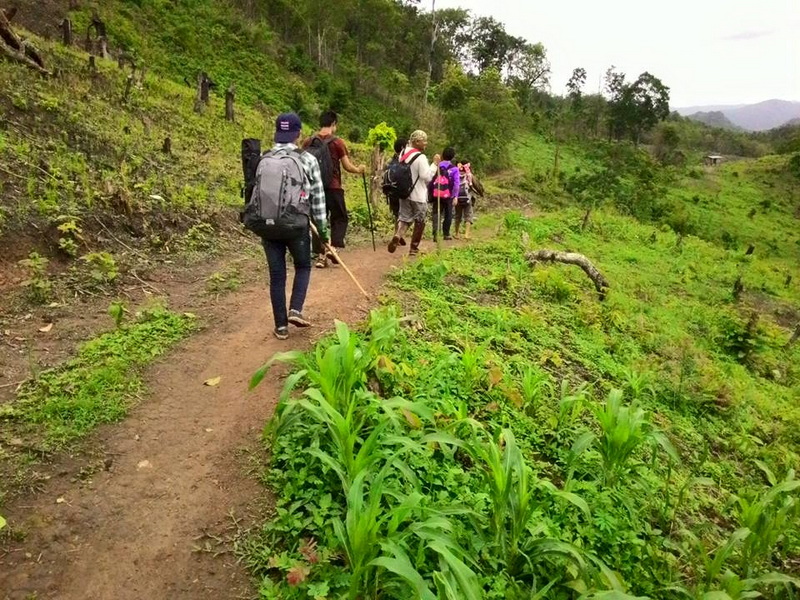
In Pang Mapha District, Ban Pha Mon opens a different perspective on Mae Hong Son Thailand: one measured by forest shade, uneven ground, limestone country, and the changing sounds of the hills. The village is best approached as a starting point for nature exploration rather than a quick scenic stop. From here, trekking can reveal how closely paths, vegetation, water, and local landscapes are connected. Mae Hong Son Jungle Trekking around Ban Pha Mon is suited to travelers who enjoy discovery more than a checklist of viewpoints. Routes may pass through cultivated edges before entering denser woodland, with conditions changing according to season and recent weather. The experience is physical, observational, and dependent on local knowledge. A careful trekker notices the forest floor, respects community spaces, and accepts that the landscape—not a guaranteed wildlife sighting—is the main attraction. This guide focuses on the character of trekking near Pha Mon Village, the ecological features visitors may encounter, and ways to extend a nature-focused visit toward Ban Mae Lana and Ban Muang Pam. Because paths and access conditions can vary, route choices should be confirmed locally before setting out.
Reading the Trekking Landscape around Ban Pha Mon
Trekking routes near Ban Pha Mon can be understood as a series of landscape zones rather than one fixed trail. A walk may begin along the village margin or a cultivated area, where open ground makes it easier to see the folds of the surrounding hills. Farther on, the route can narrow as it enters woodland, crosses slopes, or follows natural contours. This gradual change gives the outing its rhythm: open views encourage orientation, while shaded sections invite closer attention to plants, soil, and signs of water.
The exact length, difficulty, and condition of a route depend on the chosen path, the season, and local guidance. Steep or slippery ground can make a short distance demanding, particularly after rain. Some sections may require steady foot placement rather than speed, and a route that feels comfortable in dry weather may become more complicated when the surface is wet. Trekkers should treat local advice as part of the route itself, not as an optional extra.
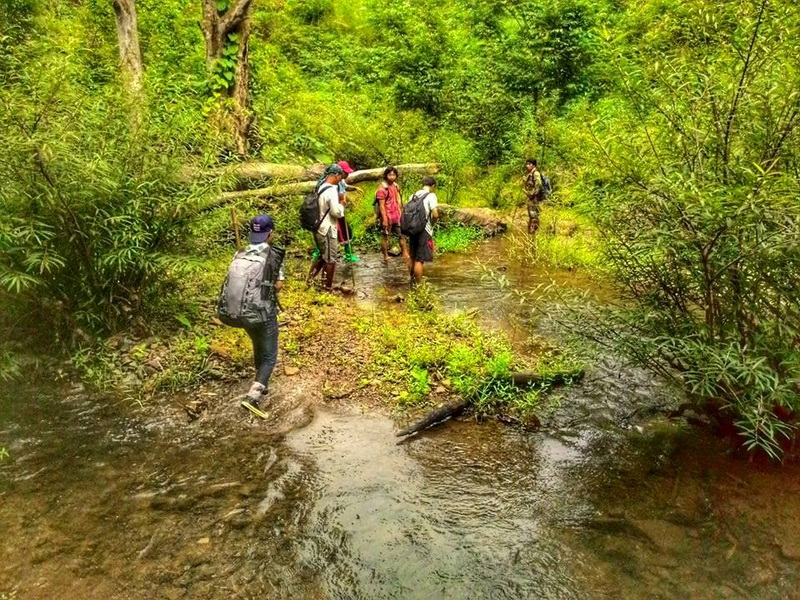
For many visitors, the appeal lies in moving through changing terrain instead of reaching a single dramatic endpoint. A forest path can offer small discoveries: a sudden opening between trees, exposed rock, a cool patch of shade, or the sound of flowing water below a slope. This activity-first style of exploration rewards patience. Pause often, keep the group together, and allow the landscape to set the pace.
Forest Layers, Limestone, and Seasonal Change
The ecological interest of the area comes from its mixture of wooded hills, limestone formations, soil, and seasonal water. Limestone landscapes can create varied ground conditions, from rocky surfaces and shallow soils to pockets where leaf litter and moisture support thicker growth. These changes may occur over a surprisingly short distance, giving a trekker an opportunity to observe how vegetation responds to exposure, shade, and drainage.
The forest is not a single uniform wall of green. Along the route, younger growth, mature trees, vines, ferns, grasses, and fallen branches can form different layers. The canopy influences temperature and light, while the forest floor holds leaves and organic material that gradually return nutrients to the soil. Looking closely, without disturbing what is found, can make an ordinary stretch of trail feel like an ecological cross-section.
Seasonal conditions shape both the appearance and the experience of the jungle. Rain can refresh streams and intensify the color of vegetation, but it may also create mud, slick rocks, and unstable footing. Drier periods may produce clearer walking surfaces while making dust, heat, and water planning more important. Wildlife may be present in the broader forest, but sightings should never be promised. Responsible observation means listening quietly, keeping distance, and leaving animals, plants, rocks, and natural features where they are.
Water deserves special attention. Small drainage lines and damp hollows influence where plants grow and how paths develop, even when no substantial stream is visible. Avoid washing, littering, or using products near natural water sources. A trekking experience becomes more meaningful when visitors recognize that these modest water systems are part of a larger environment shared by forests, farms, and communities.
Two Nature-Focused Extensions beyond the Village
Once the forest experience near Ban Pha Mon has provided a sense of the region’s terrain, nearby communities can add another layer to the journey. These places are best approached as complementary landscapes, not as stops to rush through. Their value lies in seeing how settlement, agriculture, limestone country, and surrounding woodland exist within the same wider environment.
Landscape Connections around Pha Mon Village
The forest paths are only one part of the wider ecological story. To understand the area more fully, continue with visits that connect woodland scenery to settled landscapes and community life.
Ban Mae Lana
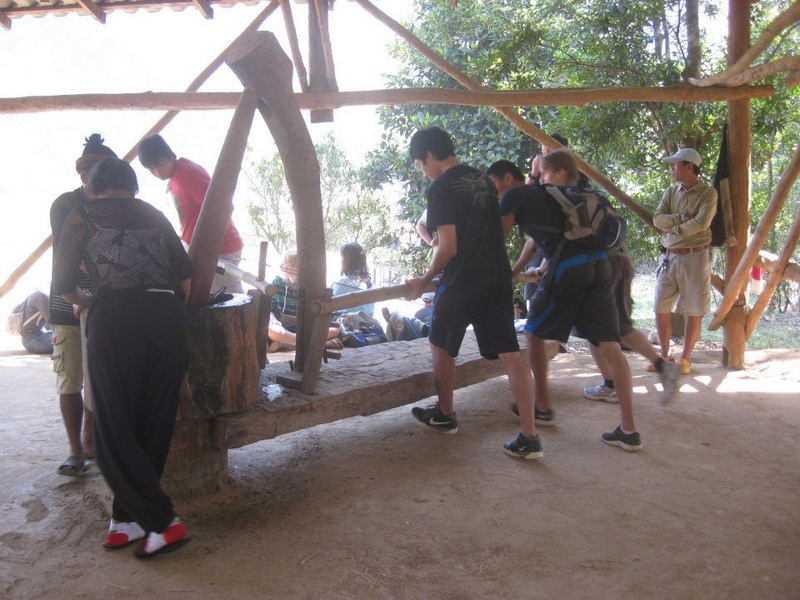
Ban Mae Lana offers a useful extension for travelers interested in the relationship between village life and the natural environment. Its setting can help place the forest paths around Ban Pha Mon within the broader limestone and hill landscape of Pang Mapha. Rather than approaching the visit as a hurried photo opportunity, take time to observe the transition between settled areas, cultivated land, and wooded slopes.
The community is also a reminder that nature travel takes place in working landscapes. Keep to appropriate public areas, follow local guidance, and ask permission before taking photographs. Combined with a trek, a visit to Ban Mae Lana can deepen an understanding of how ecological surroundings and everyday livelihoods share the same space.
Ban Muang Pam
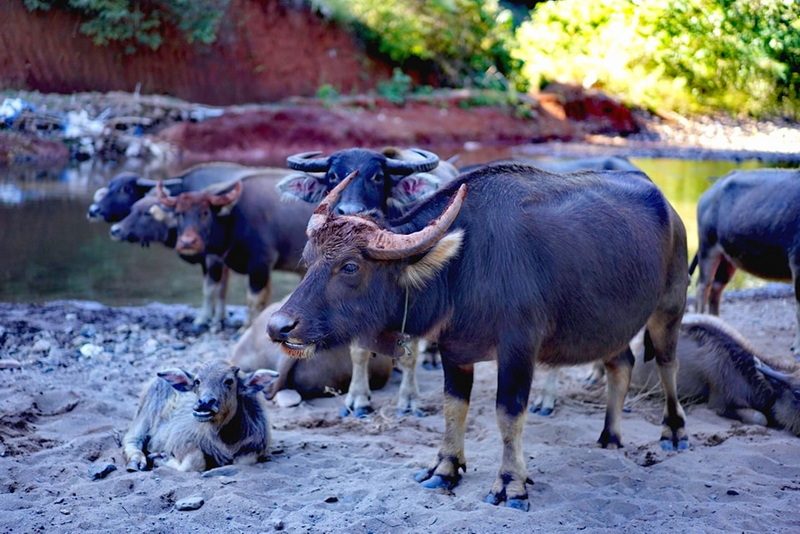
Ban Muang Pam provides another way to broaden a nature-focused exploration of the Pang Mapha area. The journey toward a nearby community can reveal changing views of ridges, valleys, and forest edges, while the settlement itself offers context for the human geography surrounding the trekking landscape. Its appeal is not based on a promise of a single spectacle, but on a slower appreciation of place.
When combining Ban Pha Mon with Ban Muang Pam, allow the character of each location to remain distinct. Avoid turning local spaces into a rushed sequence of attractions, and remember that community areas are lived-in rather than staged. Quiet observation, respectful behavior, and attention to local boundaries make this kind of extended exploration more rewarding.
Preparing for a Responsible Jungle Day
Preparation for Mae Hong Son Jungle Trekking should begin with realistic expectations. Wear footwear suited to uneven ground, carry enough drinking water, and protect yourself from strong sun even when the forest feels cool. Light, breathable clothing can be useful, while a rain layer is sensible when weather is changeable. A small first-aid kit, personal medication, and a charged phone are practical basics, although connectivity may not be consistent in hilly areas.
Choose a route that matches the group’s fitness, experience, and available daylight. Young children, older travelers, or anyone recovering from an injury may need a gentler outing. Do not assume that a trail is safe simply because it appears short on a map. Ask about recent rain, stream crossings, slippery slopes, and any sections where navigation could become confusing. If a local guide or community representative is recommended, listen carefully to route advice and follow agreed boundaries.
Low-impact behavior protects both the forest and the people who live near it. Stay on established paths where possible, avoid loud music, and do not collect plants, stones, insects, or other natural objects. Pack out every item brought in, including food scraps. Keep toilets and personal washing well away from water sources, and use caution with anything that could pollute soil or streams.
Respect for Pha Mon Village also means recognizing that the landscape is lived in and worked in. Ask before photographing people, homes, farms, or community activities. Do not enter private areas or treat local residents as part of a tourism display. A considerate visitor observes with permission, supports locally appropriate arrangements when available, and understands that a memorable trek depends on trust as much as scenery.
Let the Forest Set the Pace
A trek from Ban Pha Mon is most rewarding when it is treated as an encounter with a living landscape rather than a race to a landmark. Forest layers, limestone ground, seasonal water, and village surroundings all become part of the experience. Conditions may change, so route advice and responsible preparation matter. Walk patiently, protect the environment, and show respect for the communities connected to the hills. With that approach, jungle trekking in Pang Mapha can offer not only physical adventure, but also a clearer appreciation of how nature and everyday life meet in Mae Hong Son.
