Karen Hilltribe Authenticity Audit for Thoughtful Village Visits
A practical framework for recognizing living culture, assessing tour choices, and preparing for a considerate village encounter
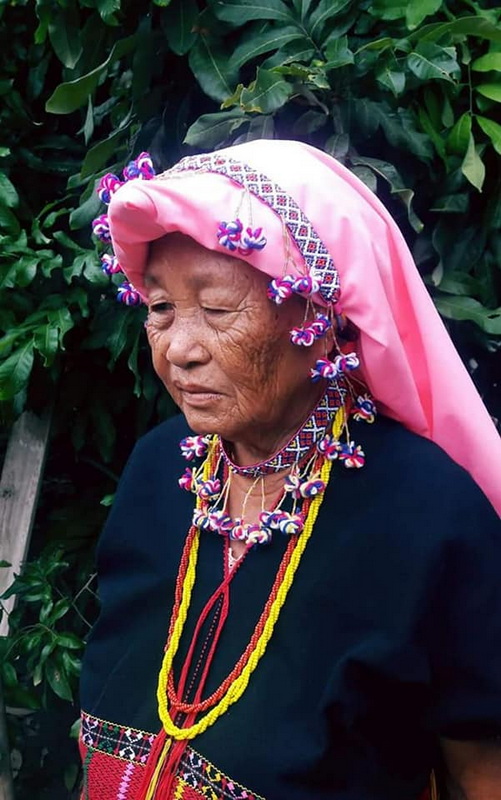
A village visit can look convincing and still tell a shallow story. The useful question is not whether a place appears traditional, but whether the people encountered are being presented as residents with their own lives or as a backdrop arranged for observation. That distinction changes how a visitor reads clothing, craft, conversation, photography, and the role of a guide. For anyone considering a Karen Hilltribe experience, authenticity is best treated as an audit rather than a promise made by a brochure. Look for context, consent, and signs that local people retain agency over how their homes and traditions are presented. A living cultural setting may include ordinary work, family relationships, changing habits, and commercial activity alongside inherited practices. It does not need to look frozen in time to be culturally significant. This approach is especially useful when comparing organized visits connected with Chiang Mai. Instead of beginning with convenience or a list of attractions, begin by asking what kind of encounter the arrangement creates. Does it allow people to be seen as individuals? Does it explain the setting without turning difference into spectacle? Does it establish clear boundaries around privacy and photography? The answers help separate a learning-oriented visit from one designed mainly for visual consumption.
Use an Authenticity Audit Before Choosing a Village Visit
Authenticity is not a visual effect. A woven item, a traditional garment, or a row of neck rings may be culturally meaningful, but none of these details alone proves that a visit is grounded in everyday village life. The stronger test is whether the experience provides human and social context. A guide should be able to explain that the setting is a home and working environment, not simply an exhibit, while leaving room for residents to define what they wish to share.
Start with four questions. First, who controls the encounter: the people who live there, or an outside schedule that treats the village as a fixed display? Second, is the purpose explained in terms of meeting people and learning context rather than collecting unusual images? Third, are private spaces and personal conversations treated as off-limits unless permission is given? Fourth, does the description acknowledge present-day life instead of implying that Karen identity belongs only to the past?
A staged atmosphere often reveals itself through pressure to pose, an insistence that every person is available for inspection, or a presentation that reduces one tradition to a single visual symbol. By contrast, a more grounded setting can contain quiet moments, routine activity, unanswered questions, and differences between individuals. Those signs may feel less dramatic, but they allow culture to remain more than a performance arranged for an audience.
The phrase Authentic Hill Tribe Village Thailand should therefore describe an encounter with context and agency, not merely a photogenic location. A careful visitor does not demand proof through constant activity. The better standard is whether the arrangement makes room for dignity, ordinary life, and informed interpretation.
Read Tradition as Continuity Rather Than Costume
The Karen Longneck label can encourage a narrow reading if it directs all attention toward the neck rings. Those rings are part of the visual identity often associated with Karen Long Neck communities, but cultural continuity cannot be measured by one feature. Dress becomes more meaningful when considered alongside who wears it, how it is understood, and how it relates to family, work, ceremony, or presentation to outsiders. The visitor’s task is to notice context rather than treat clothing as a label.
Weaving offers another way to interpret continuity. It can be approached not simply as a souvenir-making activity but as a form of knowledge expressed through materials, patterns, skills, and teaching between generations. Even when an item is sold, its presence may connect craft with household roles and cultural memory. Ask what the maker wants to explain; do not assume that a product gives permission to examine the person behind it.
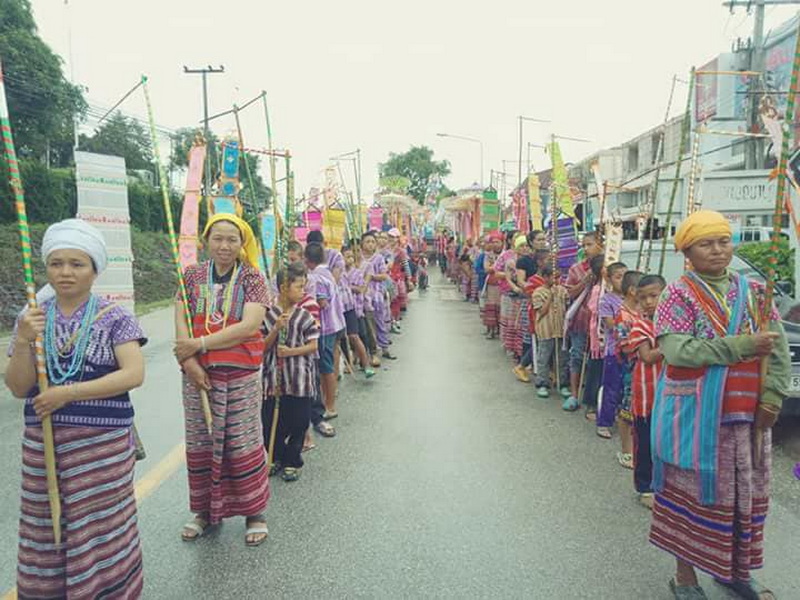
Agriculture and other forms of daily work also matter because they place cultural identity within practical life. Work connected with land, food, household responsibilities, and cooperation can show how inherited knowledge remains relevant while circumstances change. The point is not to romanticize rural labor or claim that every village follows one pattern. It is to recognize that tradition can operate through repeated responsibilities, not only through objects displayed to guests.
Oral traditions and community roles provide a further lens. Stories, explanations, family knowledge, and shared responsibilities help people interpret their past and organize their present. A short conversation may reveal only one perspective, so it should not be treated as a complete account of Karen life. Listening carefully, accepting variation, and avoiding requests for a dramatic personal narrative are more useful than trying to extract a definitive cultural summary.
This analytical view protects against two opposite mistakes: treating a community as unchanged, or dismissing tradition because modern life is visible. Living culture can include adaptation, commerce, inherited practice, and personal choice at the same time. That complexity is precisely why a visit should be guided by questions rather than by expectations of a timeless scene.
Judge Chiang Mai Package Tours by Their Conduct Standards
A tour name tells you less than the conduct it sets before arrival. When comparing Chiang Mai Package Tours, look for evidence that the provider has thought about the relationship between guide, guest, and host. The key issue is not whether the itinerary sounds immersive. It is whether the arrangement gives local people a meaningful role in shaping the encounter and gives guests enough context to behave appropriately.
Community involvement is the first selection principle. A responsible description should make clear that residents are not merely scenery placed along a route. It should identify how local voices enter the interpretation, whether through a guide’s explanation, a host’s chosen activity, or another form of participation. Avoid assuming that a polished presentation is community-led; assess the language used to describe local agency.
The second principle is local context. A provider should frame the visit through history, identity, and present-day life rather than promising a close-up look at an exotic group. Context also means admitting that one household or village cannot represent every Karen experience. A concise, specific explanation is more useful than sweeping claims about an entire people.
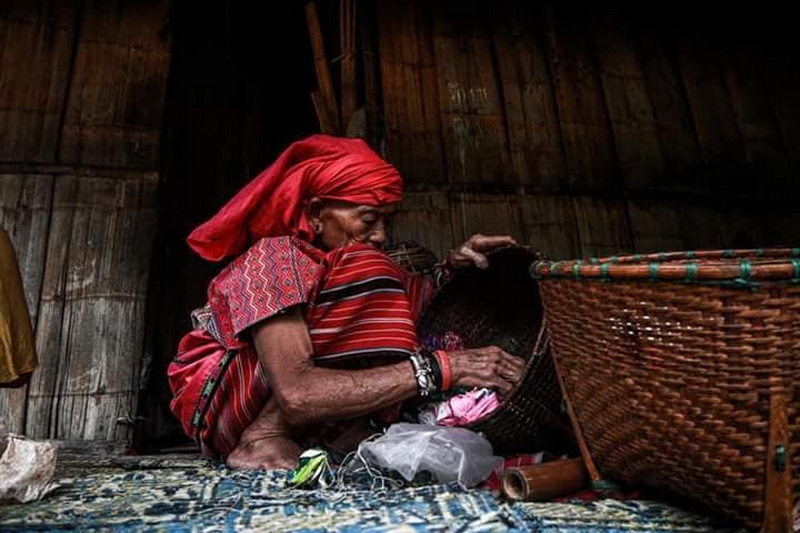
Privacy and non-staged interaction form the third principle. The arrangement should not depend on compulsory posing, intrusive questioning, or the idea that every resident is available to be photographed. A visit becomes more credible when personal boundaries are treated as part of the experience, not as an inconvenience. The same standard applies to purchasing: a craft or product can be appreciated without turning its maker into part of the merchandise.
Finally, look for transparent conduct guidance. Before departure, guests should know that permission matters, that a refusal is final, and that observation does not create entitlement to a conversation or photograph. Guidance should also discourage mocking, touching clothing or adornments, and making assumptions about identity. These principles are not decorative promises; they define the quality of the encounter.
The wording Karen And Karen Longneck Hill Tribe Thailand is most useful when it points to distinction within a broader cultural subject, rather than treating every Karen-related setting as interchangeable. A tour provider that allows nuance gives the guest a better basis for understanding what is being visited.
Follow a Consent-Based Framework on the Day
Preparation can be reduced to a simple sequence: observe, ask, receive, and withdraw. Observe first. Notice whether someone is occupied, resting, speaking with another person, or clearly presenting an item for sale. Do not interpret availability from appearance alone. A person standing in a public space is not automatically inviting a photograph or conversation.
Ask before photographing people, personal belongings, work in progress, or domestic spaces. Use a clear gesture or question, wait for an affirmative response, and accept uncertainty as a reason not to proceed. Consent is specific to the moment; it should not be assumed because another guest has taken a picture or because someone has agreed to one image. Never use a child or a person’s distinctive dress as an effortless subject.
Receive information without turning the exchange into an interview. If someone explains weaving, agriculture, dress, or family practice, listen to the terms they choose. Avoid pressing for painful history, demanding a demonstration, or challenging an answer because it differs from a general description. Cultural learning is not improved by forcing a polished story from an individual.
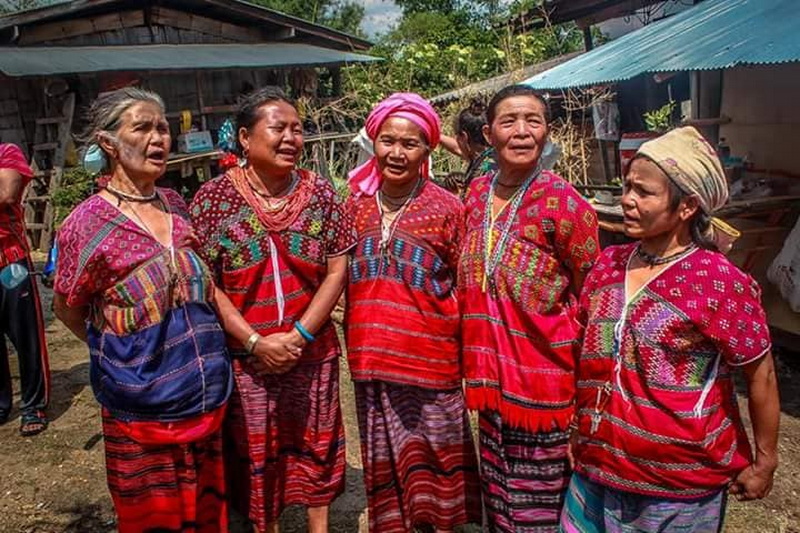
Withdraw gracefully when a boundary appears. Step back from private activity, stop recording, and leave a conversation when the host signals that it is over. Buying something is also a separate decision from taking a photograph or asking personal questions. Keep those actions distinct so that a purchase cannot be mistaken for permission.
After the visit, review what you are carrying away. Are your photographs respectful records or collections of people reduced to visual types? Can you describe the setting without claiming to speak for the entire Karen population? Would your account preserve the individuality of the people encountered? This reflection turns a brief visit into a more responsible act of learning without pretending that one encounter provides complete knowledge.
Make the Final Choice with Three Practical Tests
Before selecting an arrangement, apply three tests: representation, boundaries, and balance. Representation asks whether the description gives people social identity beyond the feature most likely to attract attention. A strong account leaves room for varied lives and avoids presenting the Karen Longneck community as a single, uniform image.
Boundaries ask what the guest is expected to do and what the provider refuses to normalize. Clear guidance about photographs, privacy, questions, and physical space indicates that the visit has been designed with human limits in mind. Vague language about unrestricted access should be treated as a warning sign because it places the burden entirely on the guest after arrival.
Balance asks whether the experience allows cultural interpretation without promising total access. No short visit can explain every tradition, household role, or historical experience. A credible arrangement can still be valuable when it offers a precise encounter, acknowledges individual choice, and avoids selling completeness. Choosing a limited but honest experience is preferable to choosing a dramatic one built on exaggeration.
Together, these tests shift the decision from “Will this look authentic?” to “How is this encounter structured?” That is a more dependable question for anyone considering Karen And Karen Longneck Hill Tribe Travel Guide material, because it centers the conditions of meeting rather than the visitor’s desire for a memorable scene.
The Journey in Perspective
Use this short self-check before committing: Is the setting presented as a home and living social place rather than a display? Does the provider explain local agency and offer clear privacy guidance? Am I prepared to ask before photographing, listen without extracting a story, and leave when the answer is no? Can I describe what I learned without turning one person into a symbol for everyone? If any answer is no, change the choice or change your expectations. The most valuable decision may be the one that makes the encounter less performative and more human.

No comments:
Post a Comment