Exploring Chiang Rai Walking Street Through Cultural Day Trips
A thoughtful route through markets, memory, art, and northern cultural connections
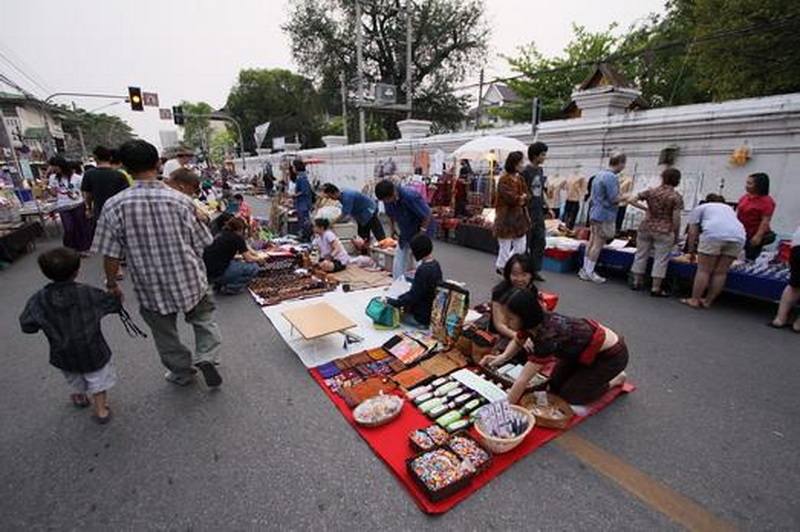
A visit to Chiang Rai Walking Street is more meaningful when it is understood as part of a wider cultural landscape rather than as an isolated shopping stop. In Mueang Chiang Rai District, Chiang Rai, the pedestrian market brings together food, handmade goods, music, conversation, and local creativity. Its atmosphere is shaped by everyday community life, so the experience is less about checking off attractions and more about observing how people use public space to share regional identity. For travelers based in Chiang Mai, the journey also offers an opportunity to connect two northern Thai cities through their heritage. A Chiang Rai Day Trip From Chiang Mai can place the market within a broader cultural story that includes historic civic landmarks, contemporary religious art, and the memory of King Mangrai. The connection is geographical, but it is also historical: both cities reflect the layered traditions of the former Lanna region while expressing them in different urban settings. This guide focuses on notable places and the ideas linking them. It does not present a fixed itinerary or promise a particular event. Instead, it offers a way to look carefully at Chiang Rai Khon Muan Street, surrounding landmarks, and selected cultural sites in Chiang Mai before deciding which combination best suits a day of sightseeing.
Reading the Walking Street as a Living Cultural Space
Chiang Rai Walking Street is commonly known in local and visitor discussions as a pedestrian market where regional food, crafts, clothing, small gifts, performances, and social activity come together. The market setting matters because it creates room for informal encounters. A stallholder may be presenting a traditional ingredient, a maker may be displaying contemporary work, and families may simply be using the street as a place to spend time together. These different uses make the area more than a retail destination.
The phrase Chiangrai Walking Street is sometimes used interchangeably with Chiangrai Khon Muan Street. Names can vary in English-language travel writing, but the cultural principle remains similar: a public street becomes a temporary meeting place for commerce and community expression. Visitors can appreciate the setting by moving at an unhurried pace, noticing textures and preparation methods, and allowing local activity to remain the focus rather than treating people or traditions as spectacles.
Food is one of the clearest ways to encounter northern identity, although a market tasting should not be mistaken for a complete lesson in regional cuisine. Ingredients, seasonings, presentation, and family recipes may reflect both local continuity and modern adaptation. Asking politely before photographing food, products, or people is a simple way to show consideration. Buying directly from small vendors can also be approached as participation in a local economy, not merely as collecting souvenirs.
Cultural Connections Beginning in Chiang Mai
Chiang Mai provides a useful point of comparison before traveling toward Chiang Rai. Its old urban core, temples, lanes, markets, and public monuments reveal how northern history remains present in a living city. For travelers searching for Must Visit Places In Chiang Mai, the most rewarding choices are not necessarily the places with the longest list of attractions. They are sites that help explain how religious practice, royal history, craft traditions, and ordinary urban life have developed together.
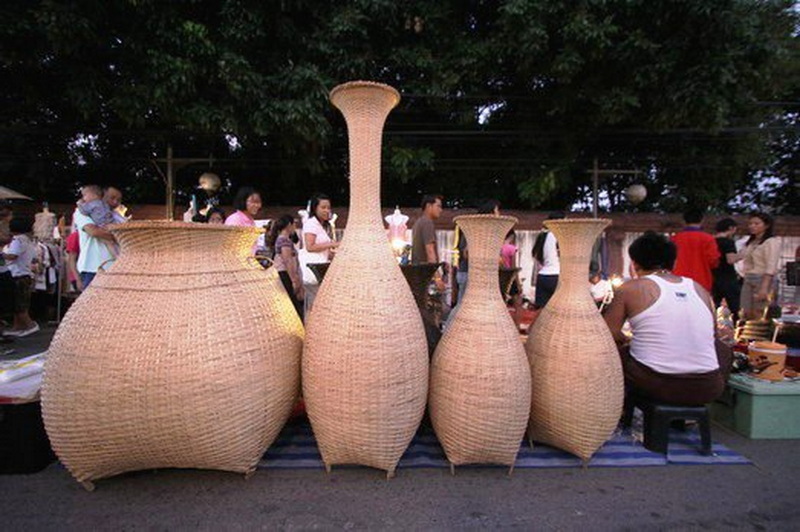
The connection between Chiang Mai and Chiang Rai should be understood without flattening the two cities into one cultural destination. Both are associated with northern Thailand and Lanna heritage, yet each has its own civic history, artistic vocabulary, and community character. Chiang Mai often feels like a larger historic center with an extensive urban fabric, while Chiang Rai offers a different scale and a strong relationship between civic memory, modern art, and surrounding landscapes. A day of sightseeing becomes richer when these distinctions are noticed.
Travelers can use Chiang Mai as a place to learn how to look: observe temple architecture respectfully, distinguish active religious spaces from museum-like attractions, and recognize that heritage is maintained by communities rather than frozen in the past. Carrying that perspective onward makes a visit to Chiang Rai Walking Street more attentive. Market stalls, monuments, and public art then appear as connected expressions of place rather than unrelated photo opportunities.
Planning a Day Trip Around Meaning Rather Than Mileage
A Chiang Rai Day Trip From Chiang Mai involves a substantial regional connection, so cultural planning is more useful than trying to include every possible stop. The central question is what kind of understanding the traveler hopes to gain. Someone interested in artistic interpretation may focus on contemporary religious architecture and the market’s handmade work. Someone drawn to history may pay closer attention to monuments and the memory of early northern rulers. Others may value food, conversation, or the contrast between an open-air market and formal heritage sites.
Because travel conditions and personal pacing vary, it is better to treat the route as a framework than as a guaranteed sequence. A market can be approached before or after other cultural places, depending on the day and on local circumstances. Allowing flexibility also reduces the temptation to rush through sacred or community spaces. Visitors should dress and behave appropriately where religious practice is taking place, follow posted guidance, and avoid blocking entrances or active ceremonies.
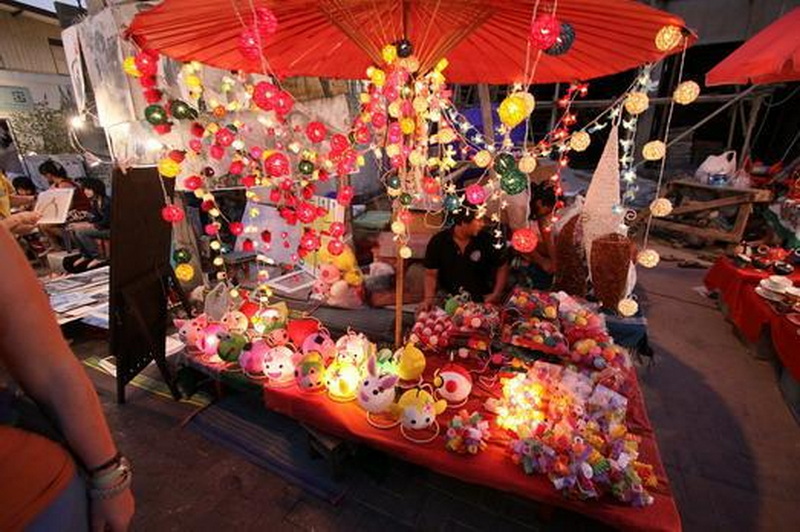
The most useful connection between Chiang Mai and Chiang Rai is therefore interpretive. Chiang Mai can introduce the historical and cultural vocabulary of the north, while Chiang Rai can show how that vocabulary is reworked through public art, local enterprise, and contemporary community life. This approach keeps the journey grounded in observation. It also prevents the market from being reduced to a backdrop for shopping or the surrounding landmarks from being treated as interchangeable stops.
Heritage, Modern Art, and Respectful Observation
Northern Thai heritage is not a single visual style or a simple timeline. Religious buildings, royal symbols, local crafts, food traditions, and city monuments each carry different histories. At Chiang Rai Walking Street, older cultural references may sit beside modern designs and practical household goods. This mixture is significant because living culture changes through use. A contemporary product does not become less local simply because it is newly designed, and an old symbol should not be interpreted without attention to its religious or historical context.
Visitors may also encounter imagery that is unfamiliar or highly expressive. Rather than assuming that unusual forms have one fixed meaning, it is wiser to read interpretive signs, listen to qualified guides, or ask respectful questions when appropriate. Avoiding sweeping claims about spirituality or local communities helps preserve accuracy. Cultural appreciation is strongest when curiosity is paired with humility.
Photography deserves similar care. Markets and public spaces can feel informal, but vendors and performers remain people with personal boundaries. A landscape or architectural detail may be photographed more freely than a close portrait. When permission is not clear, stepping back and observing can be the more respectful choice. These small decisions help ensure that sightseeing supports dignity and does not turn community life into a performance for outsiders.
How to Make the Cultural Experience More Thoughtful
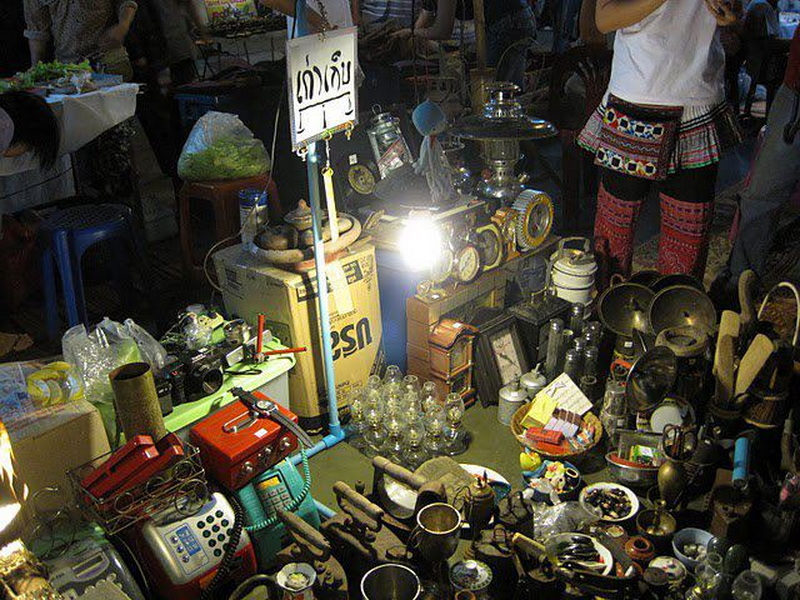
A useful way to visit the market is to divide attention between details and relationships. Begin by noticing how the street is organized: where food preparation takes place, how handmade objects are displayed, and how people move through shared space. Then consider the relationships behind what is seen. A craft may represent a household skill, a food may be linked to regional taste, and a public performance may reflect local enthusiasm rather than a staged attraction for visitors.
Language also shapes the experience. The alternate expressions Chiang Rai Khon Muan Street and Chiang Rai Walking Street Thailand may help travelers identify the destination in different travel contexts, but no search term can replace local knowledge. If asking for directions or discussing a place, using its commonly recognized local name and listening carefully is more useful than insisting on one English spelling. Names carry history, and transliteration naturally produces variations.
Finally, leave room for an unplanned moment. It might be the sound of music from a nearby gathering, the careful arrangement of produce, or a conversation about an object whose purpose is not immediately obvious. These moments are not guaranteed attractions, and they should not be promised as part of a route. They are simply reminders that cultural travel depends on attention. The market’s value lies partly in what it reveals about ordinary life when visitors allow the setting to speak for itself.
Nearby Attractions
Rong Khun Temple
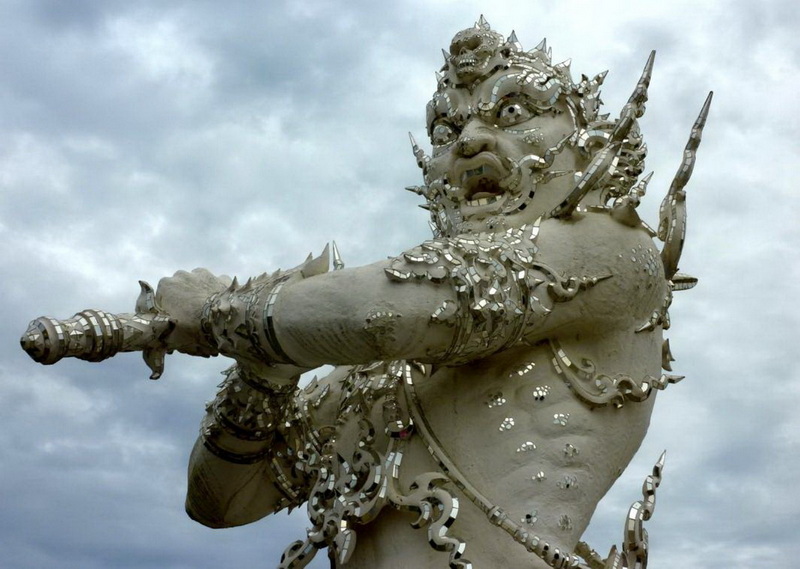
Rong Khun Temple, widely known in English as the White Temple, offers a striking contrast to the open, commercial atmosphere of the walking street. Its bright surfaces, elaborate forms, and symbolic details are associated with the work of contemporary Thai artist Chalermchai Kositpipat. The site is best approached as modern religious art with cultural and personal interpretation, rather than as an anonymous traditional temple.
Visitors should remember that it remains a religious place as well as an artistic landmark. Quiet behavior, suitable clothing, and attention to visitor guidance help preserve the dignity of the setting. Seeing Rong Khun Temple alongside Chiang Rai Walking Street can encourage useful questions about how northern identity is expressed today through both inherited forms and newly created visual language.
King Mangrai Monument
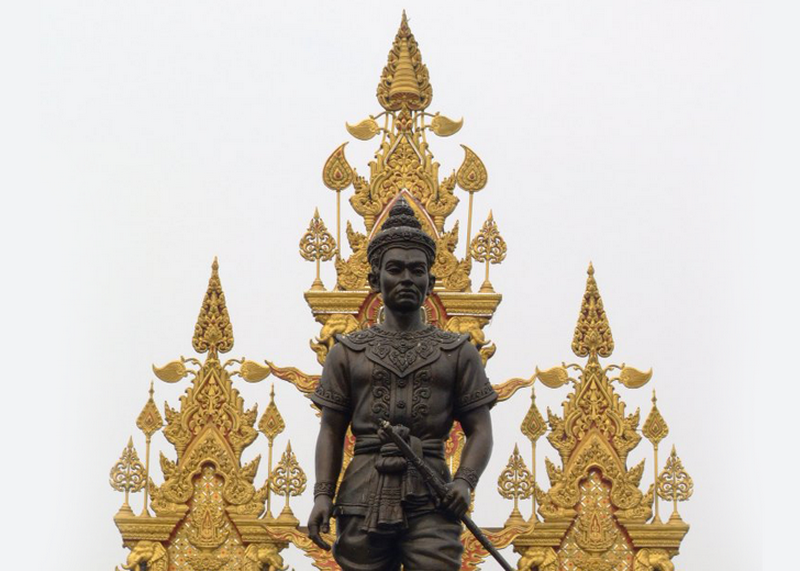
The King Mangrai Monument connects sightseeing with the political memory of northern Thailand. King Mangrai is traditionally associated with the founding of Chiang Rai and Chiang Mai and with the formation of the Lanna kingdom. The monument therefore represents more than a convenient landmark; it points toward the historical relationship between the two cities and the long development of the region.
A respectful visit involves recognizing the monument as a place of public remembrance rather than treating it only as a photo stop. Observing how local people approach the site can offer context, but visitors should avoid interrupting personal acts of respect. Together with the market, the monument helps frame Chiang Rai as a city where civic history, present-day community life, and regional identity remain closely connected.
The Journey in Perspective
Chiang Rai Walking Street becomes more intelligible when viewed through the wider cultural relationship between Chiang Mai and Chiang Rai. The market offers an encounter with present-day community life, while Rong Khun Temple and the King Mangrai Monument add different perspectives on artistic expression and historical memory. A thoughtful journey does not require collecting every landmark. It requires time to observe, respect for active cultural spaces, and willingness to recognize both continuity and change. With that approach, a day trip can become more than movement between destinations: it can be a patient reading of northern Thailand through its people, places, and public life.

No comments:
Post a Comment