Ban Huai Kung Culture and Forest Paths
A respectful look at community identity, living traditions, and the quiet challenge of jungle paths in Mae Hong Son
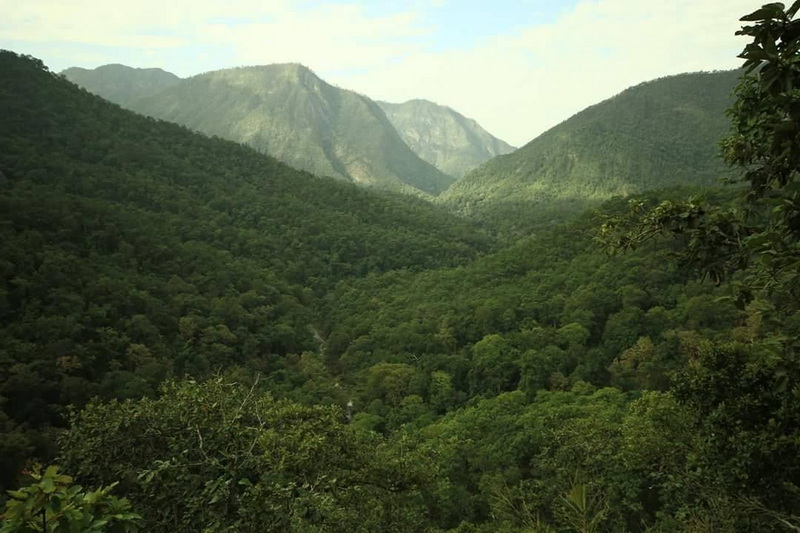
Ban Huai Kung is best approached as a living community rather than a staged attraction. In the hills of Mueang Mae Hong Son District, the village offers travelers a chance to think about how cultural identity, family memory, and a forest-based landscape meet in everyday life. The name may also appear as Baan Huai Kung or Huai Kung Village, reflecting the varied transliterations used for places in northern Thailand. Visitors often encounter the phrase Karen Long Neck when reading about communities in Mae Hong Son. That wording needs care. It can refer to a visible tradition associated with brass coils worn by some women, but it should not be treated as a complete description of a person or an entire community. Residents have individual histories, beliefs, occupations, and opinions. A thoughtful visit gives attention to people first, asks before photographing, and avoids turning cultural difference into spectacle. The surrounding setting adds another dimension. Mae Hong Son Jungle Trekking near Ban Huai Kung is shaped by steep terrain, shade, humidity, seasonal mud, and changing trail conditions. The experience is less about collecting dramatic images than about moving slowly through a forest landscape and understanding the relationship between the village and its surroundings.
Meeting a Living Community With Care
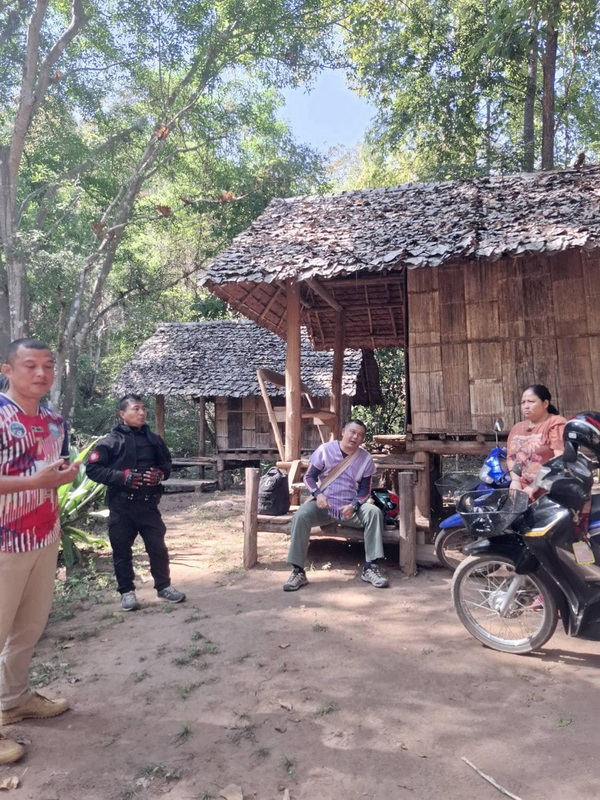
The cultural interest of Ban Huai Kung begins with its residents, not with a costume or a single visual tradition. Communities described by outsiders as Karen or Karen Long Neck may include several generations and different personal experiences. Some people may maintain particular clothing practices or adornments, while others may not. The most accurate approach is to allow residents to represent themselves rather than assuming that one label explains everyone in the village.
The term Karen Long Neck is widely used in travel writing, yet it can simplify complex identities. Neck coils, where worn, are connected with cultural practice, family tradition, and personal choice; they are not a sign of a strange or unfinished body. The practice also should not be presented as an attraction detached from the people who carry its meaning. Travelers can learn more by listening to explanations offered locally and by accepting that some details may remain private.
Everyday village life is likely to be broader than what a visitor sees during a short stop. Homes, paths, gardens, religious beliefs, food preparation, work, schooling, and family relationships all form part of community life. A respectful observer does not interrupt routine activities for a photograph or expect residents to perform their identity. Greetings, patience, and modest curiosity are more valuable than a hurried search for a perfect picture.
Photography deserves special attention. Ask before photographing a person, especially children, older residents, or anyone engaged in a private activity. A refusal should be accepted without debate. Avoid photographing people from a distance simply because their clothing or adornments appear unfamiliar. This small act of consent changes the encounter from observation without permission into a more considerate exchange.
What the Jungle Landscape Feels Like
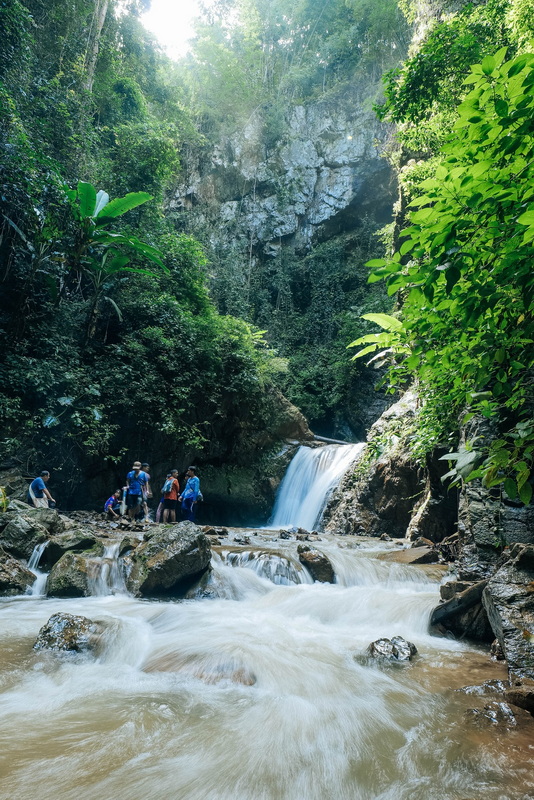
The forest around Ban Huai Kung is a setting of slopes, narrow routes, uneven ground, and seasonal changes rather than a uniform jungle backdrop. Depending on weather and the particular path, a walk may pass through dense shade, open cultivated areas, stream crossings, bamboo, leaf litter, and exposed sections of hillside. The landscape can feel peaceful, but its quietness should not be confused with ease.
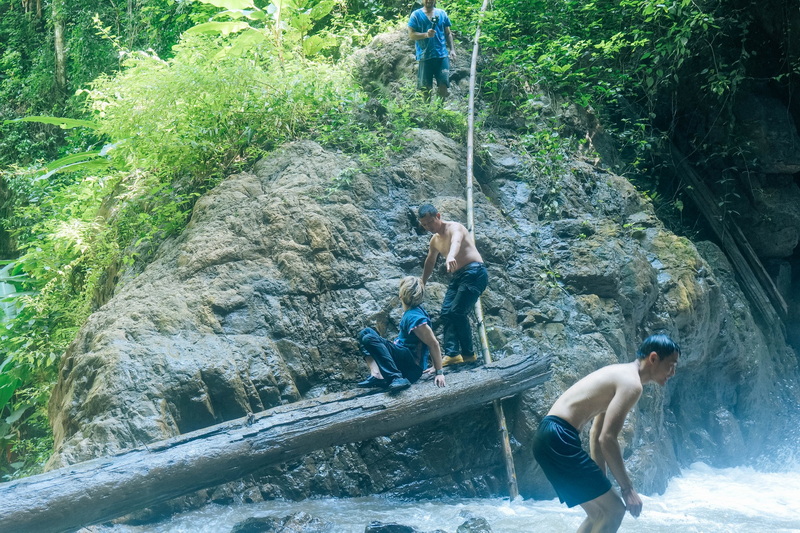
Mae Hong Son Jungle Trekking requires attention to footing and pace. Roots, stones, wet soil, and steep sections can make a short distance tiring. Rain can alter a trail quickly, while dry conditions can create dust and loose ground. Comfortable footwear with reliable grip, drinking water, sun protection, and light rain protection are sensible considerations. Visitors should also follow local guidance about which paths are appropriate and avoid treating unfamiliar forest routes as places for unsupervised exploration.
The natural environment is valuable even when wildlife is not visible. Forest sounds, changing plant textures, insects, birds, and the movement of water may be more noticeable than large animals. It is better not to promise particular wildlife encounters. A responsible walk leaves plants, rocks, and animals undisturbed, carries rubbish away, and keeps noise low near homes and forest edges.
Physical preparation should be realistic. The combination of heat, humidity, hills, and slippery surfaces may challenge travelers who are comfortable on city walks. Move at a pace that allows conversation and rest, and tell a local companion if discomfort develops. The goal is not to conquer the landscape but to experience it without placing unnecessary pressure on the body or the environment.
Where Village Life and Forest Routes Meet
One of the most meaningful features of Ban Huai Kung Village is the close visual relationship between settlement and surrounding hills. The village is not simply a starting point for outdoor recreation; it is a home within a broader landscape. Paths may connect household areas with cultivated ground, streams, wooded slopes, or neighboring places. Walking through this setting can reveal how terrain influences movement, work, and the rhythm of daily life.
This relationship also explains why the word trekking should be used carefully. A forest walk may include cultural learning, but it does not give a visitor ownership of local knowledge. Plants, routes, water sources, and hills can carry practical or spiritual importance that is not obvious to an outsider. Do not collect flowers, cut vegetation, enter restricted spaces, or leave a marked path without permission. Asking questions is welcome when done with humility and without demanding a tour-like performance.
A slower pace creates room for observation. Notice how houses relate to the slope, how cultivated areas fit between wooded sections, and how people use paths for ordinary tasks. These details can be more revealing than a quick list of attractions. They also help travelers understand that the forest is not an empty wilderness waiting to be consumed for adventure; it is part of a lived cultural and environmental system.
The best memories from a visit may therefore be understated: a conversation translated across languages, the texture of a shaded path, a view between trees, or the recognition that a community cannot be fully understood in one afternoon. Ban Huay Kung, another spelling used for the same destination, rewards attention rather than haste.
Practical Respect for a Meaningful Visit
Before visiting, travelers can prepare by learning the difference between curiosity and entitlement. Curiosity asks how a tradition is understood by the people who practice it. Entitlement assumes that paying attention, taking a photograph, or arriving in a group automatically grants access. The first attitude supports dignity; the second can make a village feel like a display.
Dress should be comfortable for walking but not needlessly revealing, particularly around homes or religious places. Keep voices moderate, avoid blocking paths, and do not enter a house or community space unless invited. If local people offer handmade goods or food, treat the exchange as a livelihood and a personal interaction rather than bargaining aggressively over a small amount. Commercial details vary, so visitors should rely on current local information instead of assuming that every service is available.
Language differences may make conversations brief, but respect does not depend on fluency. A friendly greeting, a clear request before taking a photograph, and attention to nonverbal responses can prevent misunderstandings. If a local explanation challenges a familiar travel story, give it priority. Community knowledge is not merely decoration for a visitor’s existing expectations.
Environmental care is equally important. Carry reusable water containers where practical, keep rubbish with you, and avoid disposable items that may be difficult to manage in a rural setting. Do not disturb household animals, crops, forest plants, or water sources. These choices connect cultural respect with ecological responsibility and help ensure that the village remains a home rather than becoming an overused backdrop.
Reading Ban Huai Kung Beyond a Photograph
The strongest way to understand Ban Huai Kung is to hold culture and landscape together. The village’s identity cannot be separated from the hills, routes, weather, and neighboring communities that shape daily movement. In the same way, a jungle walk is not culturally neutral: it passes through places that people know, use, protect, and remember.
Travelers who come with patience may notice that the most valuable learning is often indirect. A conversation can raise questions about migration, family traditions, language, or changing livelihoods without providing a simple answer. A forest path can show how difficult terrain influences settlement without explaining every local history. These partial impressions are useful when they encourage further respect rather than confident conclusions.
For culture-focused travelers, that balance is the central appeal. Ban Huai Kung is not just a place to see a distinctive tradition, and it is not merely a launch point for exercise. It is a community in a mountain environment, where human dignity should remain more important than novelty and where the forest deserves the same care as the people who live beside it.
Nearby Attractions
Ban Mae Sam Laeb
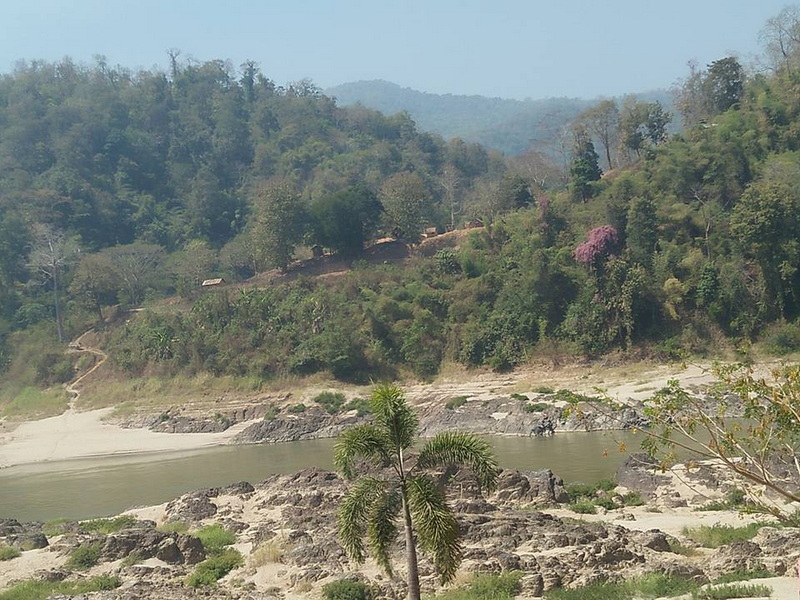
Ban Mae Sam Laeb is a riverside community in Mae Hong Son Province associated with the Salween River and the borderland landscape. Its setting offers a different perspective on the region from the hill environment around Ban Huai Kung, linking community life with a major natural waterway. Visitors should approach it as a lived settlement, observing local guidance and avoiding assumptions about access, transport, or river activities.
Placed alongside a visit to Ban Huai Kung, Ban Mae Sam Laeb can broaden an understanding of how geography shapes local identity. Mountain paths, river corridors, and border histories create different patterns of movement and livelihood. The contrast is valuable even when the visit remains brief and observational.
Wat Phra That Chom Thong
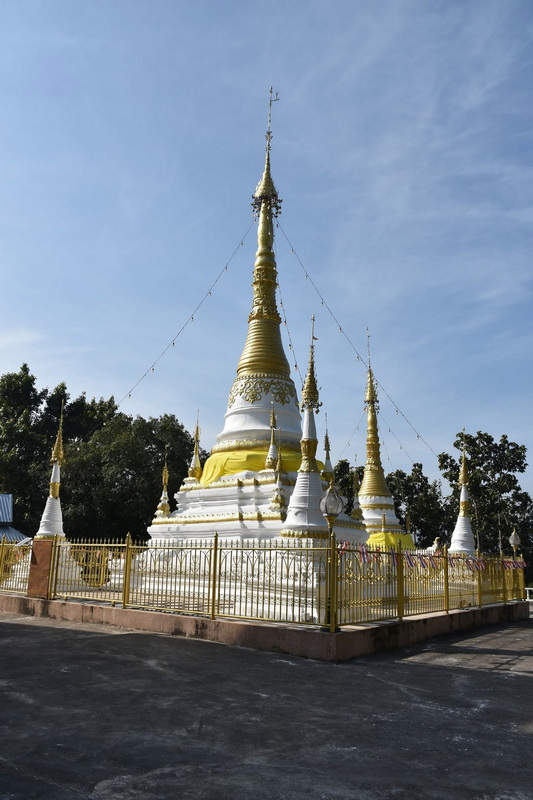
Wat Phra That Chom Thong is a Buddhist temple and local religious landmark in Mae Hong Son. As with other active temples, its importance is not limited to architecture or a viewpoint; it is also a place connected with worship, community practice, and merit-making. Visitors should dress modestly, speak quietly, and follow any posted or locally given instructions.
The temple provides a cultural counterpoint to Ban Huai Kung’s community and forest focus. A visit can encourage travelers to see the wider area as a landscape of intertwined religious, social, and natural places rather than as a sequence of isolated photo stops. The atmosphere is best appreciated without rushing or treating sacred features as props.
The Journey in Perspective
A visit to Ban Huai Kung becomes more meaningful when it combines attentiveness with restraint. Learn about Karen Long Neck traditions without reducing people to a label, walk the forest without treating it as an adventure product, and let residents set the boundaries of conversation and photography. The nearby communities and temple add wider context, but the essential lesson remains simple: this is a living cultural landscape. Arriving with respect allows travelers to notice more, disturb less, and carry away an understanding shaped by humility rather than spectacle.

No comments:
Post a Comment