Authentic Lahu Hill Tribe Encounters in Northern Thailand
A respectful guide to meeting Lahu communities, understanding living traditions, and choosing cultural experiences with care
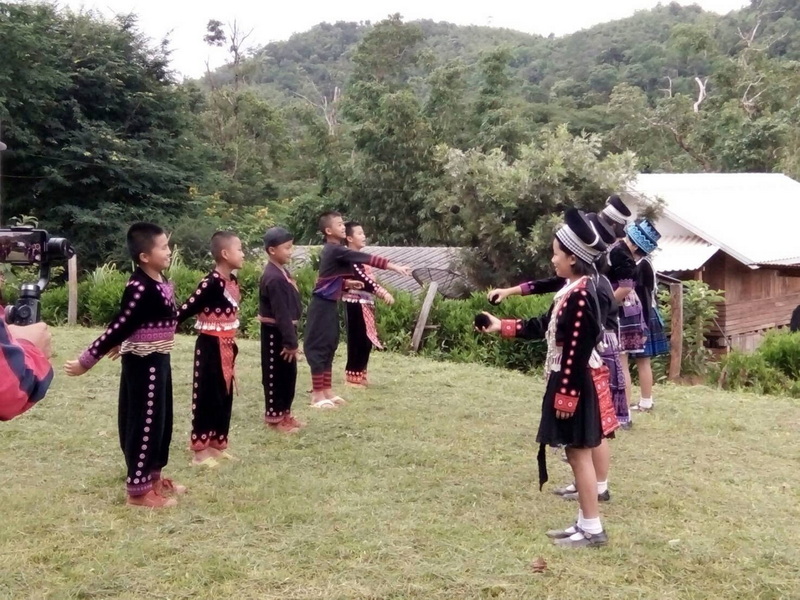
An authentic encounter with the Lahu Hill Tribe is not defined by a staged performance, a quick photograph, or a checklist of traditional objects. It begins with recognizing that Lahu communities are living societies in Northern Thailand, with families, work, beliefs, languages, and aspirations that continue to change. For travelers, the most meaningful experience is often a patient one: observing village life respectfully, listening when people wish to share, and understanding that a community is more than its appearance to visitors. The term Lahu refers to a diverse group of communities found across parts of mainland Southeast Asia, including northern areas of Thailand. In Thailand, some people may also use the names Muser or Musur, although names and preferences can vary by context. This article offers cultural context rather than a fixed itinerary. It explains what authenticity can mean, introduces traditions that may be encountered, and suggests ways visitors can support dignity and local choice. Travelers researching an Authentic Hill Tribe Village Thailand experience should approach the visit as an exchange between people, not as access to a human display.
What Makes a Village Experience Authentic
Authenticity is sometimes misunderstood as finding a place untouched by modern life. That expectation can create an unfair burden for Indigenous communities, because every community adapts to education, technology, markets, migration, religion, and national society. A village does not become less genuine because residents use mobile phones, wear contemporary clothes, or work outside agriculture. A more honest definition of authenticity is an encounter shaped by real community life, transparent local participation, and the freedom of residents to decide what they wish to share.
Visitors can look for experiences that give people a voice instead of presenting them as scenery. A locally guided walk, a conversation interpreted with care, a demonstration offered by choice, or a meal prepared as part of ordinary hospitality may provide deeper understanding than a formal spectacle. The important question is not whether every moment appears traditional, but whether the experience respects the community’s control over its stories, spaces, time, and income.
This approach also changes the traveler’s role. Rather than expecting entertainment, visitors become attentive guests. They may notice work in gardens, children returning from school, domestic animals, cooking routines, or a gathering at a community space, but observation should never become intrusion. Permission matters before entering homes, recording voices, photographing people, or joining ceremonies. When consent is unclear, the respectful choice is to pause or refrain.
Lahu Life, Belief, and Cultural Expression
Lahu communities are not culturally identical. Distinct Lahu groups may speak different varieties, follow different religious practices, and maintain local customs shaped by their history and location. Many Lahu families have connections to farming, forest environments, and upland landscapes, although livelihoods today can include wage employment, trade, education, and other occupations. This variety is essential context: there is no single village that can represent every Lahu experience.
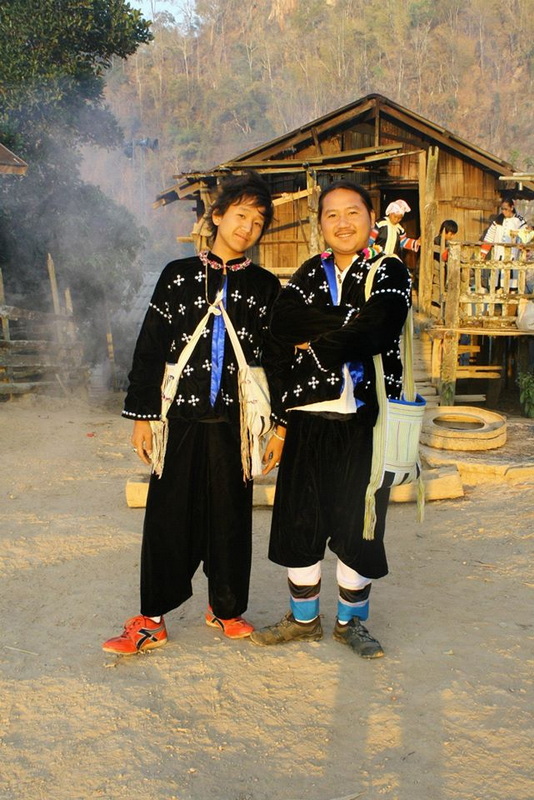
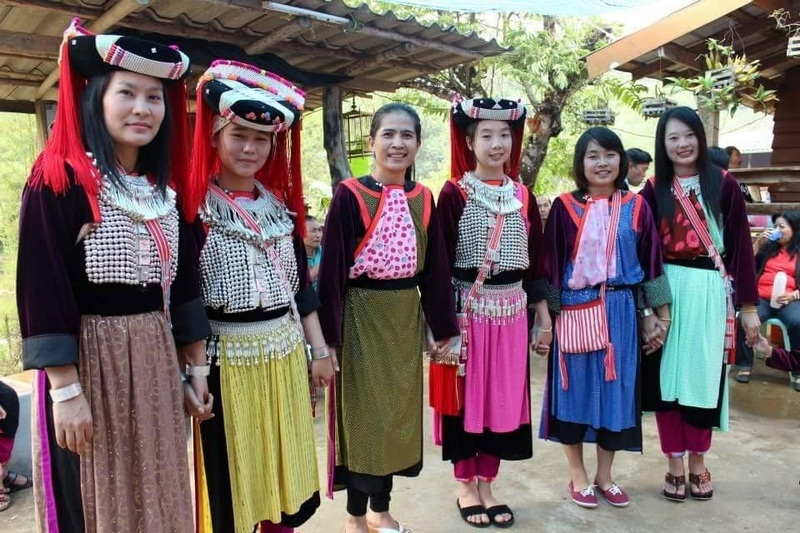
Lahu cultural expression may include distinctive clothing, textile work, music, dance, food traditions, oral knowledge, and seasonal celebrations. Some communities maintain ceremonies connected with agricultural cycles or New Year observances, while religious life may reflect combinations of Lahu spiritual traditions, Buddhism, Christianity, and other influences. Practices can differ between villages and households. A visitor should therefore avoid treating one custom as a universal rule or asking residents to perform a sacred practice simply for a photograph.
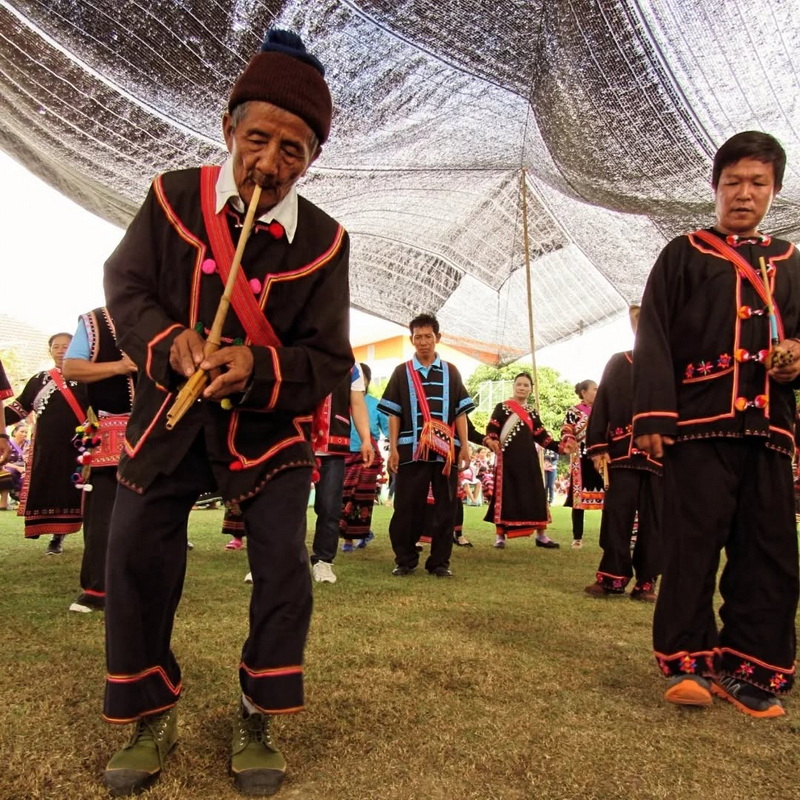
Music and dance can be especially visible during celebrations or community presentations, but their meaning extends beyond tourism. They may communicate belonging, memory, courtship, celebration, or relationships between generations. Clothing can likewise carry local significance without being a costume for visitors. Asking a guide or host to explain the context is more respectful than guessing. It also allows residents to describe how traditions are maintained, adapted, or understood by younger people.
For readers seeking Muser Hilltribe Information, the name Muser is commonly encountered in Thai contexts when referring to Lahu people. It is useful search language, but it should not flatten the community into a label. The best cultural information identifies the particular group or village when possible and acknowledges that terminology may have different histories and implications. Listening to how local residents describe themselves is more important than relying only on an outside category.
How to Participate Without Turning Culture into a Spectacle
Respect begins before arrival. Learn a few basic words of greeting where appropriate, ask whether photography is welcome, and dress in a way that does not draw unnecessary attention to the body. Modest clothing is a considerate default, especially near homes, religious sites, or community ceremonies. Visitors should follow local guidance about footwear, seating, food, and movement through shared spaces. A short explanation from a host can prevent an accidental breach of etiquette.
Consent should be specific rather than assumed. A person who agrees to one photograph has not automatically agreed to a video, a close-up, or publication on social media. Children require particular care; a parent or responsible adult should give permission, and declining should always be easy. Avoid photographing private family moments, funerals, worship, or ceremonies unless hosts clearly invite it. Do not offer money directly in exchange for a child’s photograph, since this can encourage uncomfortable or exploitative interactions.
Conversation works best when it is reciprocal. Travelers can ask about food, farming, language, education, craft, or changing village life, while avoiding questions that reduce people to poverty, ethnicity, or perceived exoticism. Do not assume that every resident wants to discuss tradition or represent the whole Lahu community. A guide may help with translation, but the guide should not be treated as a spokesperson for everyone.
Ethical tourism also includes financial transparency. Choose community-led or locally accountable activities when their structure is clear, and ask how visitor payments support hosts, guides, artisans, or shared projects. Buying a useful locally made product at a fair price can be more respectful than bargaining aggressively over a small amount. The goal is not to turn every interaction into a transaction, but to ensure that tourism does not benefit only outside intermediaries.
Using Chiang Mai as a Cultural Starting Point
Chiang Mai is an important gateway for travelers exploring Northern Thailand, but the city should not be treated as a substitute for understanding the communities beyond it. People considering Chiang Mai Package Tours can use the planning stage to ask careful questions: Who leads the cultural activity? Are residents able to decline participation? Is the visit arranged around community preferences rather than a rushed schedule? Are photography rules explained? These questions reveal more about responsibility than promotional language such as “tribal,” “untouched,” or “authentic.”
A thoughtful visit leaves room for listening rather than filling every minute with attractions. Travelers may prefer a small-group experience with a clear local connection, but group size alone does not guarantee ethical practice. The quality of consent, interpretation, compensation, and community control matters more. It is also reasonable to ask whether the activity is suitable for the season and whether visitors might disrupt work, school, worship, or family routines.
Travelers should remain cautious about broad claims. No responsible source can promise that every visit will offer a particular ceremony, costume, craft demonstration, or encounter with a specific person. Traditions follow community calendars, personal decisions, and local circumstances. A flexible attitude protects both visitor expectations and resident dignity. If a planned activity changes or is unavailable, observing ordinary life respectfully may still be the most genuine part of the experience.
The surrounding regional context matters as well. Lahu communities have histories connected with movement across upland areas and borders, while modern national boundaries and administrative systems shape life in Thailand today. This background encourages humility. Visitors are entering a place with its own memories and relationships, not discovering a culture that exists solely for tourism.
Why Ethical Encounters Matter to Everyone
When tourism is community-conscious, its benefits can extend beyond a single visit. Income may support local guides, cooks, craft makers, drivers, translators, or shared community initiatives, depending on how an activity is organized. Just as important, respectful tourism can strengthen the value placed on local knowledge and encourage visitors to see Indigenous communities as partners rather than attractions. These benefits are possible, not automatic, and they depend on fair arrangements and local decision-making.
Visitors also gain something more lasting than a photograph. They learn to recognize cultural variation within a group, question simplified travel narratives, and understand how tradition can remain meaningful while adapting to contemporary life. A conversation about farming, language, faith, or family aspirations may be more memorable than a staged display because it reveals people as individuals with both continuity and change.
The most responsible traveler accepts limits. Some knowledge is private, some ceremonies are not for visitors, and some questions may remain unanswered. Respecting those boundaries is not a failure of the experience; it is evidence that the community’s dignity has been placed before the traveler’s curiosity. The Lahu Hill Tribe should be encountered through permission, patience, and attention to local voices.
The Journey in Perspective
An encounter with the Lahu Hill Tribe becomes meaningful when visitors look beyond visual difference and make room for real human complexity. Learn the local context, ask permission, support fair community participation, and accept that not every tradition is available for observation. Whether the journey begins through Chiang Mai or another part of Northern Thailand, ethical travel is measured by the respect carried into the village and the care carried away from it. The best memory is not possession of someone else’s culture, but a deeper understanding of the people who chose to share a part of their living world.

No comments:
Post a Comment