Wat Kam Ko on Chiang Mai to Mae Hong Son Tour Packages
A practical route-planning guide to temple heritage, mountain scenery, and nature-focused stops in Mae Hong Son
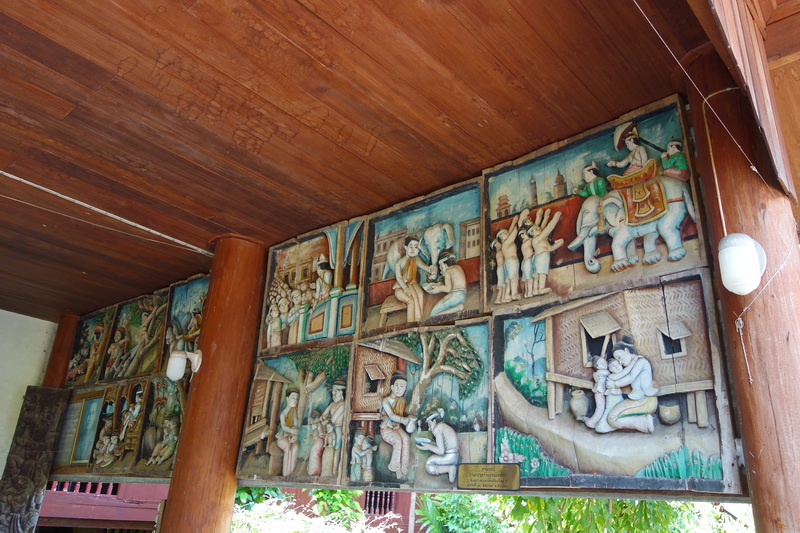
A journey from Chiang Mai into Mae Hong Son is less about rushing between landmarks and more about allowing the landscape to unfold. Mountain roads, forested slopes, village surroundings, and quiet religious sites create a travel experience that feels distinctly different from northern Thailand’s busier urban centers. For travelers comparing organized excursions, a Chiang Mai To Mae Hong Son Tour Package can provide useful structure while leaving room to appreciate the scenery along the way. Wat Kam Ko offers a meaningful cultural stop within Mueang Mae Hong Son District. Often referred to as Kam Ko Temple or Wat Kamko, it can complement a wider visit to the town rather than functioning as an isolated attraction. Its appeal lies in the chance to pause, observe local religious architecture, and understand how a temple contributes to the character of its community. This guide focuses on the practical shape of a tour that includes Wat Kam Ko, with particular attention to the natural experiences at Ban Huay Sua Tao and Pha Bong Hot Spring. Because journey times and tour arrangements vary, the most useful approach is to plan around realistic travel comfort, respectful temple behavior, and enough flexibility for changing mountain conditions.
Why Wat Kam Ko Belongs on a Mae Hong Son Route
Wat Kam Ko is a calm cultural point in Mueang Mae Hong Son District, where visitors can slow down and look beyond the larger headline attractions of Mae Hong Son Thailand. A temple visit here is not simply a matter of taking in a building. It offers an opportunity to notice the relationship between religious space, neighborhood life, and the broader mountain setting. The atmosphere may be especially appealing to travelers who prefer smaller, less hurried stops within a regional tour.
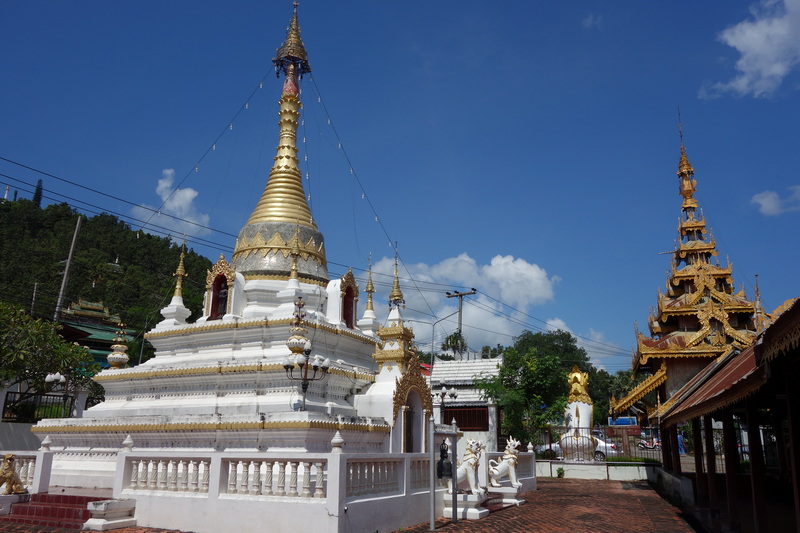
The temple is also useful as a lens for understanding northern Thai cultural landscapes. Religious compounds often serve as places of worship, community gathering, and continuity, so visitors should approach with attention rather than treating the site as a scenic backdrop. Observe whether worshippers are present, keep voices low, dress appropriately, and follow any signs or local instructions about where visitors may walk.
For first-time visitors, the value of Wat Kam Ko is its balance. It provides cultural context without requiring an entire day, while the surrounding district makes it possible to combine heritage, countryside views, and natural attractions. A tour package that includes the temple can therefore feel more rounded than a route built only around viewpoints or transport stops.
Choosing a Tour Package with the Landscape in Mind
When comparing Chiang Mai to Mae Hong Son travel options, begin by looking at the overall rhythm rather than selecting solely by the number of advertised stops. Mountain travel can be tiring, particularly for visitors unfamiliar with winding roads. A well-planned Chiang Mai To Mae Hong Son Tour Package should allow practical time for rest, meals, short walks, and unhurried visits instead of making every stop feel like a quick transfer.
Ask what is actually included before confirming a package. Important details may include the type of vehicle, whether a guide accompanies the group, how much time is allocated for temple visits, and whether the route is flexible when weather or road conditions change. Exact schedules may differ between operators, so written confirmation is more useful than relying on a general itinerary description.
Travelers should also consider the size and character of the group. A smaller group may make it easier to manage temple etiquette and pause at scenic areas, while a larger group can offer a social experience but may require more coordination. Families, older travelers, and anyone prone to motion discomfort should mention these needs in advance. The route through mountain country is part of the experience, but comfort and safety should remain central to the decision.
A package need not promise every possible attraction to be worthwhile. The strongest plan for Wat Kam Ko is one that gives the temple a meaningful place within a broader day or multi-stop journey, while preserving enough breathing room to notice the changing vegetation, ridgelines, and local settlements along the road.
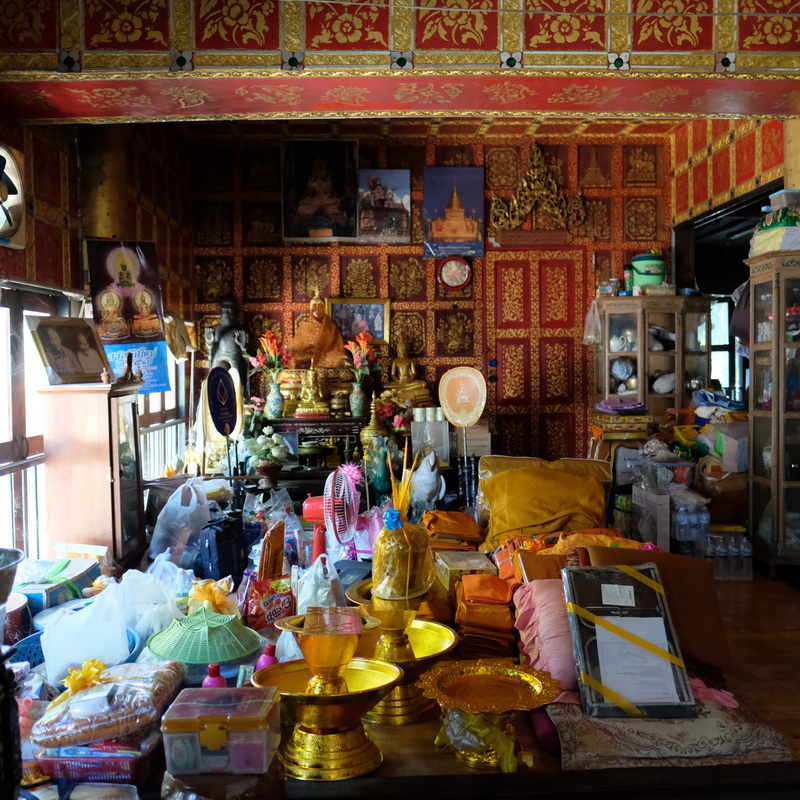
Reading the Scenery Around Mueang Mae Hong Son
The approach to Mae Hong Son is defined by movement through a dramatic northern landscape. Roads climb and descend through hills, with views changing from close forest edges to wider openings across valleys and cultivated areas. Even when clouds obscure distant ridges, the journey can remain visually engaging because of the changing textures of roadside vegetation, slopes, and small settlements.
This setting gives Wat Kam Ko a particular character. The temple is not separated from its environment; it belongs to a town and district shaped by mountains, seasonal weather, and local patterns of daily life. Visitors who take a few quiet minutes to look around may gain more from the stop than those who immediately move on after a brief photograph.
Nature-focused travelers should plan for conditions rather than expecting a single fixed view. The appearance of the countryside can vary with the season, cloud cover, and recent rainfall. Light clothing, sun protection, drinking water, and comfortable walking shoes are sensible choices, while a light outer layer can be helpful during cooler periods or in air-conditioned vehicles. These simple preparations make it easier to enjoy both the temple and outdoor stops without overpacking.
Responsible travel also matters in scenic areas. Stay on established paths where possible, avoid disturbing plants or wildlife, take rubbish away when bins are unavailable, and do not enter private land for a better view. A quiet, observant approach respects the people who live in the region and helps preserve the qualities that make the journey attractive.
Building a Comfortable Day Around the Temple
Wat Kam Ko works best as part of a carefully paced route. Visitors can begin with the cultural focus of the temple, then move toward nearby countryside and natural experiences without treating every location as a race against the clock. If a guide is present, ask for context about local customs and the appropriate areas for visitors. If traveling independently within a package arrangement, confirm meeting points clearly before walking away from the group.
Temple etiquette is straightforward but important. Wear clothing that covers the shoulders and knees when practical, remove shoes where requested, and avoid touching religious objects or entering restricted spaces. Photography should be discreet and never take priority over worshippers’ privacy. A small donation may be appropriate if a clearly marked opportunity is provided, but visitors should not feel pressured to give or assume that every area is intended for tourists.
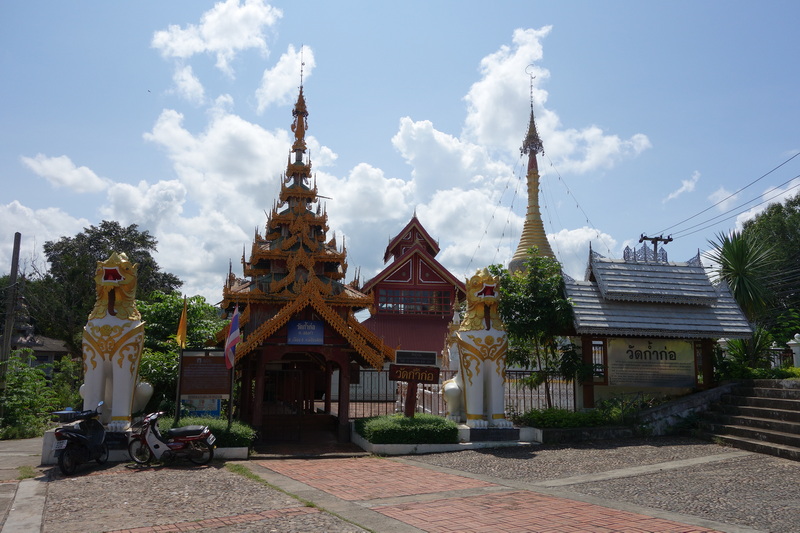
The physical demands of the route deserve attention as well. Some visitors may be comfortable walking on uneven surfaces, while others may need more frequent pauses. Tell the operator or guide about mobility concerns before departure, and avoid making assumptions about access facilities. Carrying water and keeping essential medication accessible can make a long travel day more manageable.
For international visitors, a few practical habits help: keep a digital and written record of the accommodation or meeting location, carry identification securely, and have a basic translation tool available for simple communication. Mobile coverage can vary outside urban areas, so relying entirely on a live connection is unwise. These preparations are small, but they create confidence on a route where distances between places can feel considerable.
Combining Cultural Attention with Outdoor Discovery
The most rewarding Wat Kam Ko Travel Guide is not one that separates culture from nature too sharply. The temple provides a point of reflection, while the nearby outdoor stops show how the wider district can be experienced through water, vegetation, village surroundings, and mountain air. Together, they give travelers a more textured impression of Mae Hong Son than a list of isolated photo opportunities.
This combination also suits different travel styles. A culture-focused visitor can spend more time observing the temple compound and learning from a guide. A nature lover may be drawn to the changing scenery and the contrast between forested hills and developed areas. Families can benefit from a route with varied points of interest, provided the day includes breaks and realistic travel expectations. For everyone, flexibility is preferable to an overcrowded schedule.
When reviewing a package, consider whether it supports respectful interaction rather than promising access to every part of local life. Community areas should be visited with consent and sensitivity, and residents should not be treated as attractions. Choose operators that explain expectations clearly, avoid intrusive photography, and allow local places to be experienced on their own terms.
By placing Wat Kam Ko within this wider perspective, travelers can enjoy a journey that is both scenic and thoughtful. The temple becomes more than a short stop, and the landscape becomes more than a road viewed through a vehicle window. The result is a steadier, more attentive way to travel through Mae Hong Son.
Nearby Attractions
Ban Huay Sua Tao
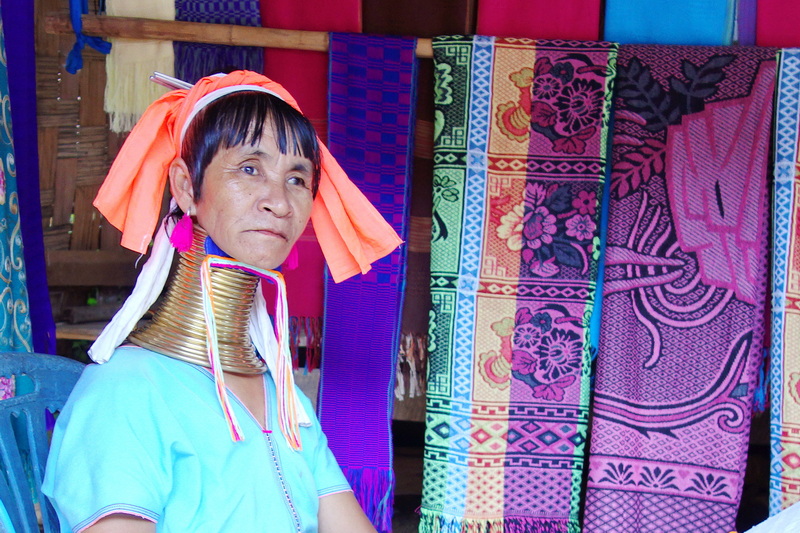
Ban Huay Sua Tao can complement a visit to Wat Kam Ko by adding a community and countryside dimension to the route. Visitors should follow the guidance of their tour leader or local host, ask before taking photographs of people, and remember that this is a lived-in place rather than a staged attraction. A respectful visit means observing quietly, purchasing only when appropriate, and avoiding assumptions about local customs or daily life.
The surrounding setting can also provide a useful change of pace after a temple visit. Travelers may notice rural roads, vegetation, and mountain views while moving through the area, but conditions and access can vary. Comfortable shoes, modest clothing, and patience are more valuable than trying to see everything quickly. Including Ban Huay Sua Tao in a package works best when the visit is presented as a chance for considerate cultural and environmental observation.
Pha Bong Hot Spring
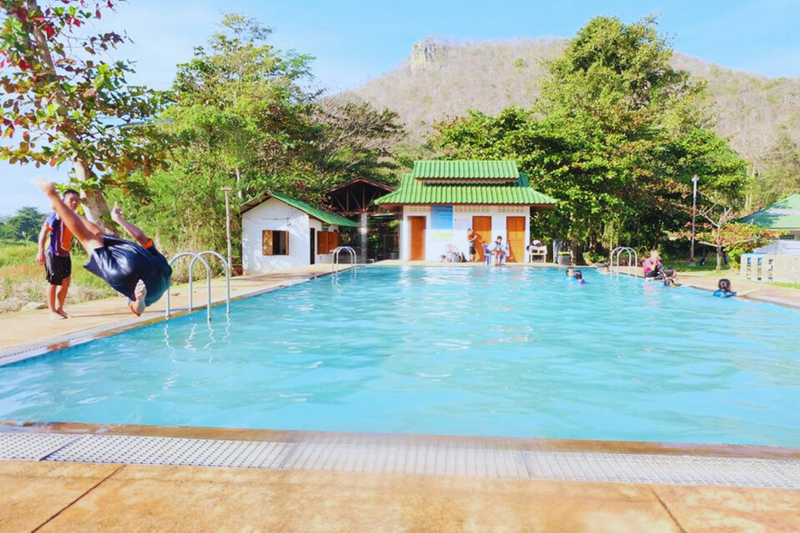
Pha Bong Hot Spring offers a natural counterpoint to the quiet cultural focus of Wat Kam Ko. Warm mineral water and the surrounding landscape can create a relaxing pause during a full day of travel, especially after time on winding roads. Visitors should check current local guidance before entering any bathing area, since facilities, conditions, and access arrangements may change.
Treat the hot spring as a place for calm enjoyment rather than a guaranteed spa experience. Bring suitable personal items if the tour information recommends them, keep shared areas clean, and follow posted safety advice about water temperature and bathing. Travelers with health conditions should use their own judgment and seek medical advice when necessary. Even if a visitor chooses not to bathe, the setting can still add a pleasant natural element to a Mae Hong Son route.
The Journey in Perspective
Wat Kam Ko is a rewarding part of a Mae Hong Son journey when approached with time, courtesy, and realistic expectations. Pairing its cultural setting with Ban Huay Sua Tao and Pha Bong Hot Spring creates a varied route without losing sight of the region’s quieter character. As you compare tour packages from Chiang Mai, look for clear logistics, sensible pacing, and respectful local engagement. With those foundations in place, the journey can deliver more than a checklist of stops: it can offer a thoughtful introduction to the landscapes and communities of northern Thailand.

No comments:
Post a Comment