Su Tong Pae Bridge and Regional Travel Options in Mae Hong Son
How to place a bamboo bridge, mountain scenery, and regional sightseeing into a Mae Hong Son journey
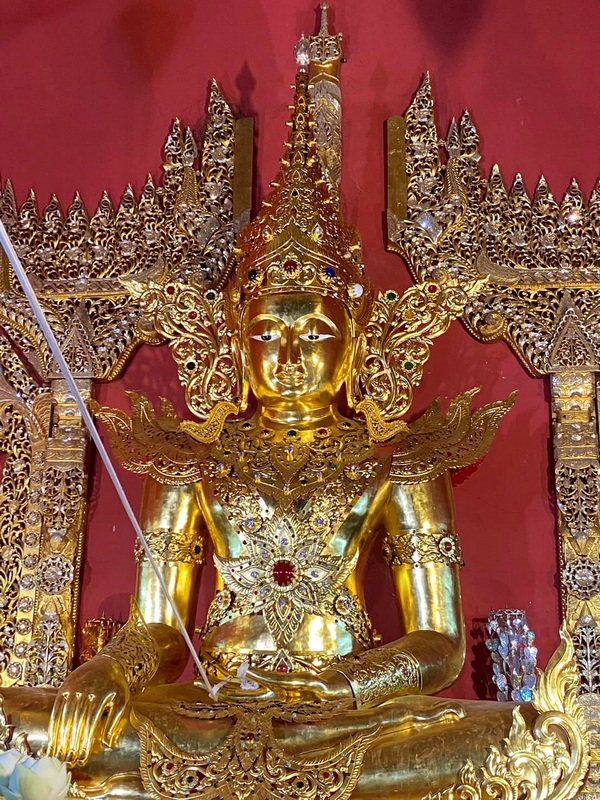
Su Tong Pae Bridge is more than a photogenic crossing in the countryside of Mae Hong Son. Built from bamboo and associated with local community life, it offers a quiet point of contact between cultivated landscapes, religious spaces, and the mountain setting that defines northern Thailand. Its appeal is strongest when the visit is considered as part of a wider regional journey rather than as an isolated stop. For travelers approaching from Chiang Mai, the bridge can help shape a route through Mae Hong Son Thailand, where distances, winding roads, and changing scenery make the journey itself an important part of the experience. A thoughtful plan leaves room for pauses, weather changes, and respectful observation of places where daily life continues beyond tourism. This regional perspective also makes it easier to combine Su Tong Pae with natural viewpoints and wellness-oriented landscapes. The following guide explains how the bridge fits into a broader sightseeing plan, what to consider when traveling from Chiang Mai, and why Pang Ung and Phu Klon can add useful variety to a Mae Hong Son itinerary.
A Bamboo Landmark in the Mae Hong Son Landscape
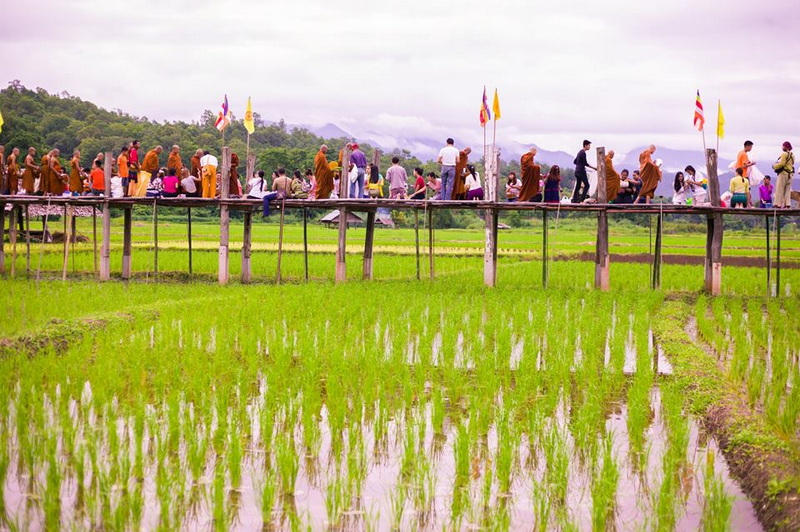
The Su Tong Pae Bamboo Bridge lies in the Mueang Mae Hong Son District, in a rural area where rice fields, low hills, and small settlements create a distinctly open setting. The bridge is traditionally understood as a community-built route connecting local farmland and a temple area. Its bamboo structure reflects practical cooperation and adaptation to the landscape, while its appearance has made it one of the better-known cultural sights in the province.
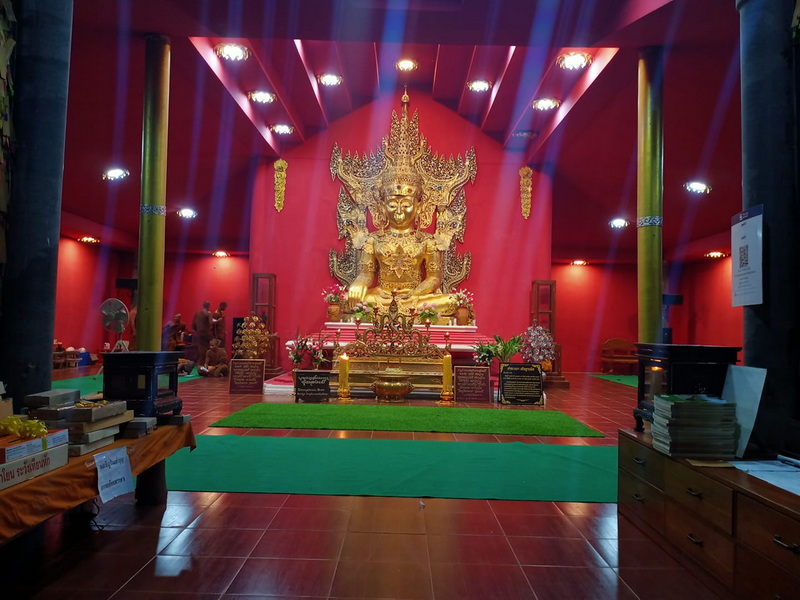
A visit is usually less about a long list of activities and more about noticing the relationship between the bridge and its surroundings. Depending on the season, the fields may appear green, golden, or recently harvested. Morning light can emphasize the texture of the bamboo and the surrounding hills, while later in the day the atmosphere may feel warmer and busier. These changing conditions are part of the attraction, not details that can be separated from it.
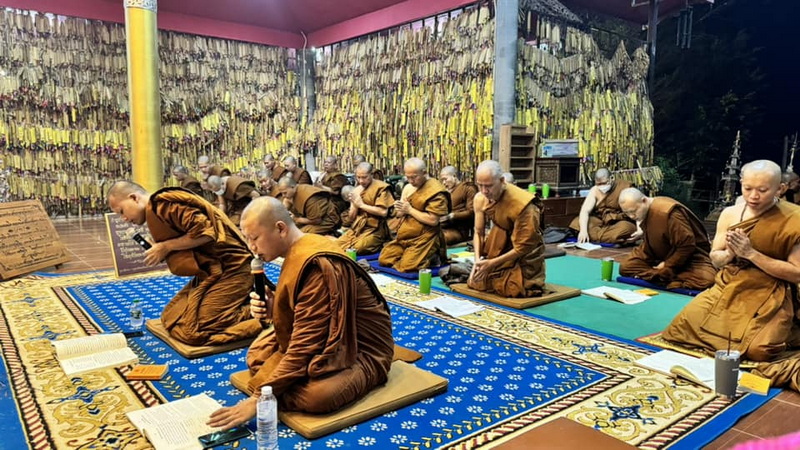
Visitors should treat the bridge as a living community place rather than a decorative backdrop. Walking carefully, keeping voices moderate near religious areas, and asking before photographing people are simple ways to show consideration. Modest clothing is appropriate around temples, and travelers should avoid climbing on structural elements or blocking the path for photographs. Such behavior helps preserve both the bridge and the welcoming character of the area.
Understanding the Journey from Chiang Mai
Travel between Chiang Mai and Mae Hong Son is a regional road journey shaped by mountain terrain. The route is known for curves, elevation changes, and stretches where travel takes longer than a map distance might suggest. That means a visit to Su Tong Pae is best planned with flexibility rather than with a tightly timed sequence of stops. Travelers who are sensitive to winding roads may prefer regular breaks and a slower pace.
Searches for a Chiang Mai To Mae Hong Son Tour Package can be useful when comparing broad travel concepts, but the phrase does not itself confirm a particular operator, route, or current service. Travelers should check what a proposed plan actually includes, how much time is allowed for sightseeing, and whether the bridge is visited as a genuine stop rather than mentioned only as a destination name. Independent travelers can apply the same principle when assembling a route with separate transport and sightseeing decisions.
There are several general ways to approach the region. Some visitors make Mae Hong Son part of a longer northern Thailand road journey, while others use a multi-day route with scenic and cultural pauses along the way. A private vehicle, shared transport, or organized travel arrangement can each suit different levels of independence and comfort, but current road conditions and local operating information should always be checked before departure. In regional references, Sutongpae may be identified as part of the same cultural stop, so travelers should confirm place names when comparing maps or travel descriptions.
The most practical preparation is to think in geographic clusters. Su Tong Pae can serve as a rural cultural stop during time spent around Mae Hong Son town, while mountain scenery and other provincial highlights can be assigned to different parts of the journey. This avoids rushing between distant places and allows weather, road conditions, and local opening practices to influence the day naturally.
Two Regional Stops to Extend the Journey
Once the bridge has established the cultural and rural character of the area, the route can widen toward places that highlight Mae Hong Son's natural scenery and wellness traditions. Pang Ung and Phu Klon offer contrasting reasons to continue exploring, rather than repeating the same type of sightseeing.
Pang Ung
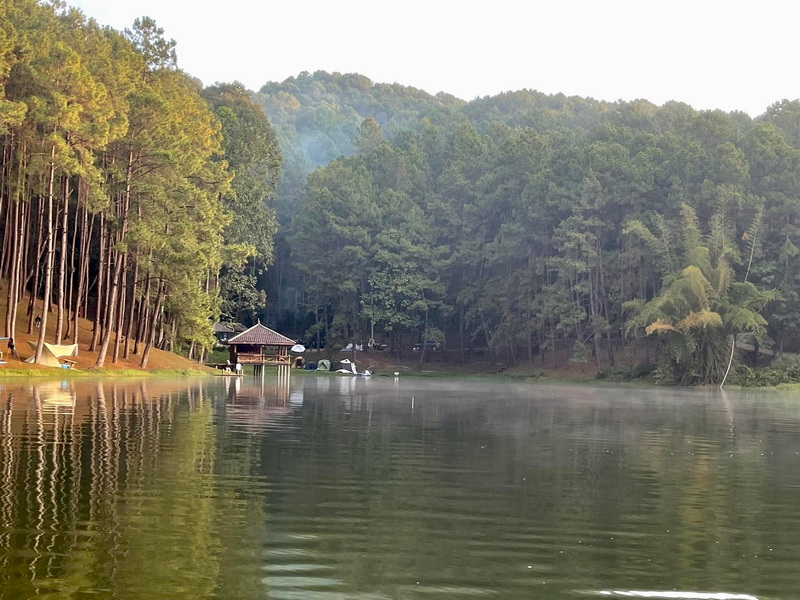
Pang Ung is a scenic highland destination often associated with a reservoir, pine-covered surroundings, and a cooler atmosphere than the lowland areas. Its appeal comes from the combination of water, forest, and morning landscape rather than from a single monument. Mist may appear under suitable weather conditions, but visitors should regard that as a natural possibility rather than a guaranteed feature.
Placed alongside Su Tong Pae, Pang Ung gives a regional itinerary a clear change of character. The bridge represents community craftsmanship and cultivated countryside, while Pang Ung emphasizes upland nature and broad views. Because the two experiences serve different purposes, they can help travelers decide whether their route should lean more toward cultural observation, landscape photography, or a measured combination of both. Visitors should follow local guidance, keep natural areas clean, and avoid disturbing the quiet setting.
Phu Klon
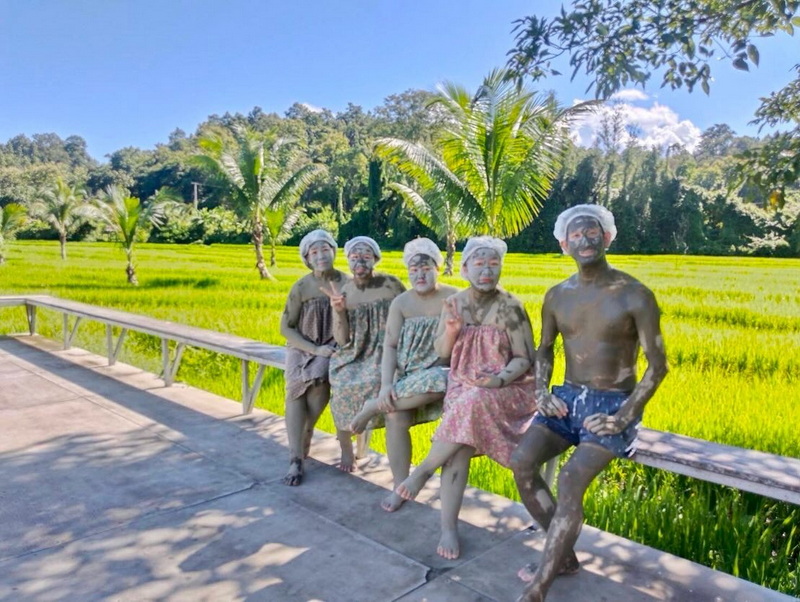
Phu Klon is known for its natural mud wellness setting and offers a different kind of stop within Mae Hong Son Province. The attraction is connected with mineral-rich mud and the regional tradition of incorporating natural resources into relaxation and personal care. Visitors should follow site guidance about appropriate use and should not assume that every treatment or facility is available at all times.
As part of a wider route, Phu Klon can provide a slower interlude after road travel or sightseeing. It contrasts with the visual focus of the Su Tong Pae Bamboo Bridge and the forested atmosphere associated with Pang Ung, giving a journey more variety without requiring every stop to be another viewpoint. Respectful use of the facilities, attention to local instructions, and realistic expectations help keep the experience comfortable and responsible.
Building a Balanced Mae Hong Son Day
A useful Mae Hong Son Travel Guide should balance movement with attention. The bridge provides a human-scale cultural experience, but the wider region is also defined by forests, ridgelines, agricultural land, and cool-season landscapes. Instead of trying to cover every possible viewpoint, travelers can choose a few contrasting experiences and leave enough time to appreciate each one.
For an independent traveler, this may mean visiting Su Tong Pae when light and local activity suit the experience, then continuing toward a natural setting rather than immediately adding another crowded photo stop. Travelers interested in culture can spend time observing how religious and rural spaces connect, while nature-focused visitors may prefer to use the bridge as an introduction to the broader landscape.
Seasonal awareness matters. Rain can affect unpaved approaches and make bamboo surfaces slippery, while dry periods may produce dust and stronger midday heat. Comfortable footwear, sun protection, drinking water, and a light layer for cooler mountain conditions are sensible choices. Conditions can vary across the province, so a flexible plan is more dependable than assumptions based on a single forecast.
The bridge also works well as a reminder that sightseeing places have different rhythms. A short visit may be enough for one traveler, while another may value the surrounding fields and quiet atmosphere more than a checklist photograph. Both approaches are reasonable when visitors remain considerate and avoid turning local residents or religious practices into staged entertainment.
Let the Region Set the Pace
Su Tong Pae Bridge is most rewarding when it is given a meaningful place within a wider Mae Hong Son journey. Its bamboo walkway, rural setting, and community context can anchor a day that continues toward forests, highland scenery, or restorative natural experiences. Whether approached through a Chiang Mai route or an independently arranged trip, the essential habits are simple: allow time for the road, check current conditions, and visit with respect. That approach turns a brief bridge stop into a more connected understanding of Mae Hong Son Thailand.
