Exploring Chiang Rai Province at Choui Fong Tea Plantation
A thoughtful day trip through northern landscapes, tea culture, and the wider Mae Chan region
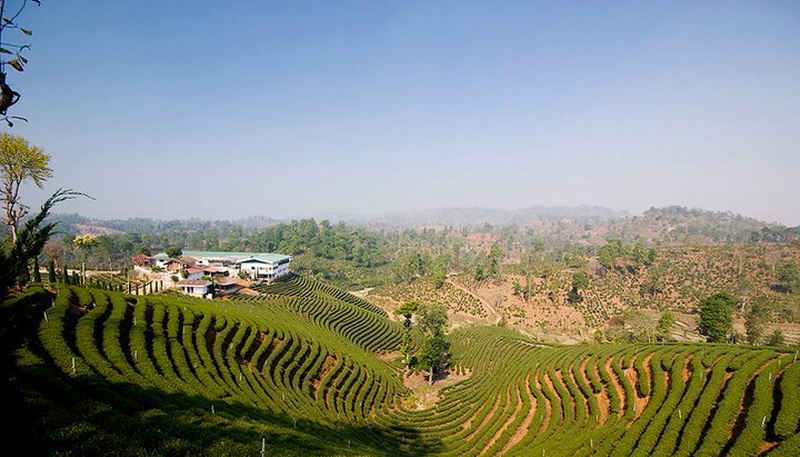
Chiang Rai Province is a region of northern Thailand where mountain scenery, agricultural landscapes, religious sites, and distinctive local arts come together. Its attractions are spread across a broad area rather than concentrated in one urban center, making the province especially appealing to visitors who enjoy building a day around several different kinds of experience. A tea plantation visit can add an agricultural and sensory dimension to the usual sightseeing route. Choui Fong Tea Plantation, in Mae Chan District, offers that change of pace. The cultivated hillsides create a strong visual impression, while the plantation’s tea-focused visitor experience provides an opportunity to understand how a familiar drink begins as a carefully tended crop. For first-time visitors, the setting is also a useful introduction to the landscapes beyond Chiang Rai city. This guide considers the plantation as part of a wider regional journey. It looks at how to think about a Chiang Rai Day Trip From Chiang Mai, what to notice at the plantation, how tea products shape the visit, and which nearby places can complement the route without turning the day into a rushed checklist.
Why Chiang Rai Province Rewards a Wider View
Chiang Rai Province is often associated with striking temples and celebrated art, but its character extends well beyond individual landmarks. The region includes city neighborhoods, rural settlements, forested hills, agricultural areas, and borderland landscapes shaped by many communities and histories. This variety gives a visitor several ways to experience northern Thailand: through architecture, food, nature, farming, and quiet observation of everyday life.
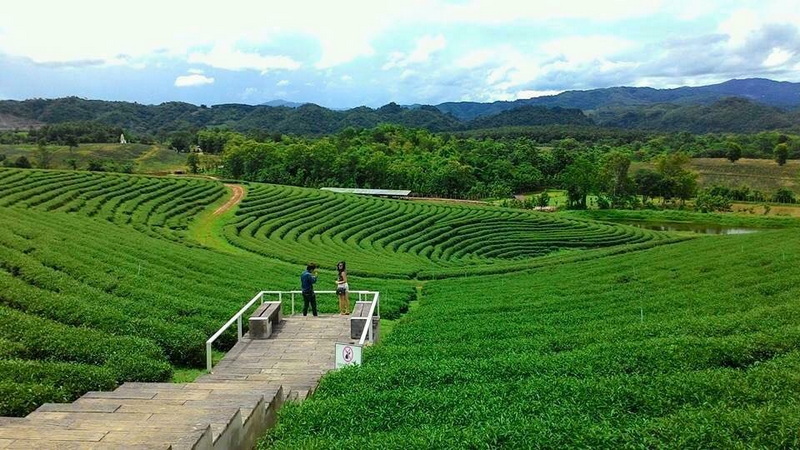
The Mae Chan area is particularly suited to travelers who want to see a more rural side of the province. Tea fields on rolling slopes offer a different landscape from the busy streets of a city, and the cultivated pattern of the hills makes agriculture visible as part of the scenery. Visiting such a place is not simply a photo opportunity. It can encourage a better understanding of how land, labor, weather, and regional products are connected.
The wider setting also calls for a measured approach. Agricultural attractions are working environments as well as visitor sites, so respectful behavior matters. Visitors should remain in areas intended for public access, avoid disturbing plants or workers, and treat product displays as part of a local livelihood rather than as a stage created only for tourism. These small choices help keep the experience considerate and grounded.
Planning a Chiang Mai to Chiang Rai Day
A Chiang Rai Day Trip From Chiang Mai requires realistic expectations because the two destinations are separated by a considerable regional journey. The most satisfying approach is to choose a clear theme instead of attempting to see every famous site in one outing. A tea plantation focus works well for travelers interested in scenery and food culture, especially when the day includes only a small number of carefully selected stops.
Before setting out, check current opening information, seasonal conditions, and the practical arrangements for the chosen route. Weather can affect visibility on the hills, while holiday periods may change the atmosphere and level of activity at popular sites. It is also wise to leave room for unplanned pauses. A view across the tea fields, a quiet drink, or time spent examining products can be more memorable than adding another distant stop.
The plantation is best understood as one part of a regional day rather than an isolated destination. Combining it with a nearby natural or cultural point of interest can create a balanced rhythm: cultivated hills in one part of the day, then a place connected with local landscape or religious life. Travelers should confirm the order and feasibility of their own itinerary rather than relying on assumptions about schedules or travel times.
Independent visitors may want to save the plantation’s location, review the route in advance, and prepare for a day with changing surroundings. Those joining a broader sightseeing arrangement can communicate that they would like enough time to appreciate the tea experience rather than treating it as a brief photograph stop. In either case, flexibility is valuable in northern Thailand, where the quality of a day often comes from its gradual flow.
Adding Nature and Quiet Culture to the Route
Once the plantation has provided its combination of scenery and tea culture, the wider Mae Chan area offers ways to change the pace. These nearby possibilities work best when treated as complementary experiences, with enough time to respect the character of each place.
Pa Tueng Hot Springs
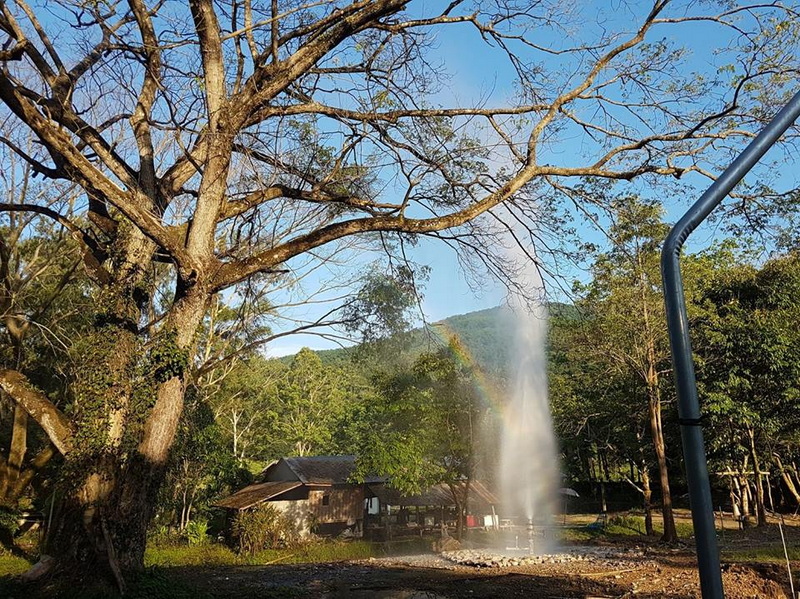
Pa Tueng Hot Springs can provide a contrasting stop after time among the tea fields. Whereas the plantation emphasizes cultivated hills and a finished agricultural product, the hot springs draw attention to the area’s natural geothermal character. The change in atmosphere can help shape a day around different forms of landscape rather than several similar viewpoints.
Visitors should approach the springs with the same practical awareness required at any natural site. Follow local guidance, use designated areas, and avoid assuming that every part of the site is suitable for bathing or close exploration. Conditions and facilities can change, so checking current information before including Pa Tueng in an itinerary is sensible.
Acha Thong Forest Monastery
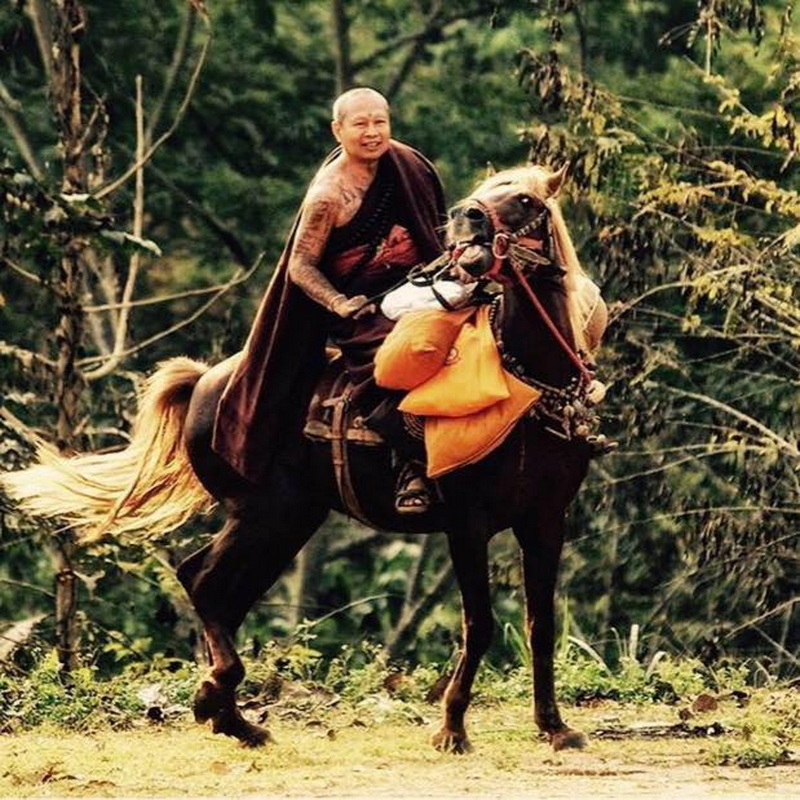
Acha Thong Forest Monastery offers a quieter cultural dimension to a regional route. A forest monastery is a place of religious practice and community significance, not simply a scenic backdrop, so visitors should dress respectfully, keep their voices low, and observe any signs or local guidance. The setting invites reflection on the relationship between Buddhist practice and northern Thailand’s forested landscapes.
Including the monastery after a tea-focused visit can broaden the day without forcing the two places into the same category. One represents cultivated land and a regional product; the other offers insight into a living spiritual environment. Allowing each site its own atmosphere makes the itinerary feel more respectful and less like a rapid collection of photographs.
What to Notice at Choui Fong Tea Plantation
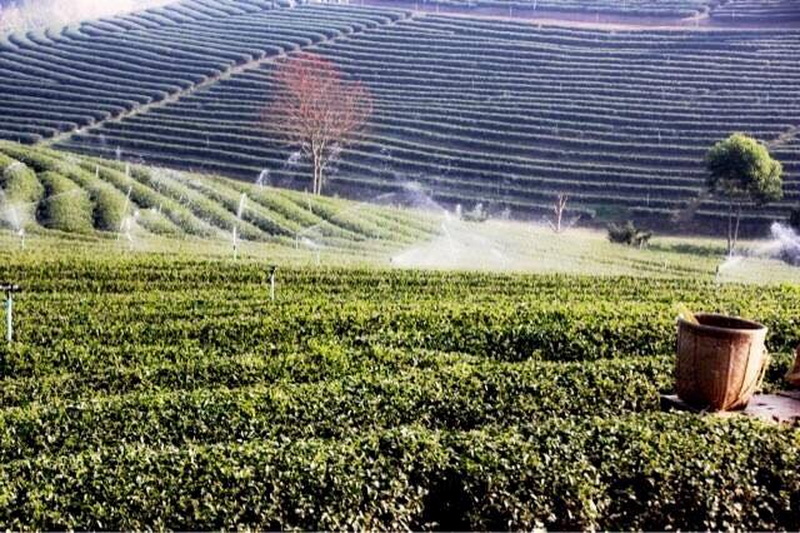
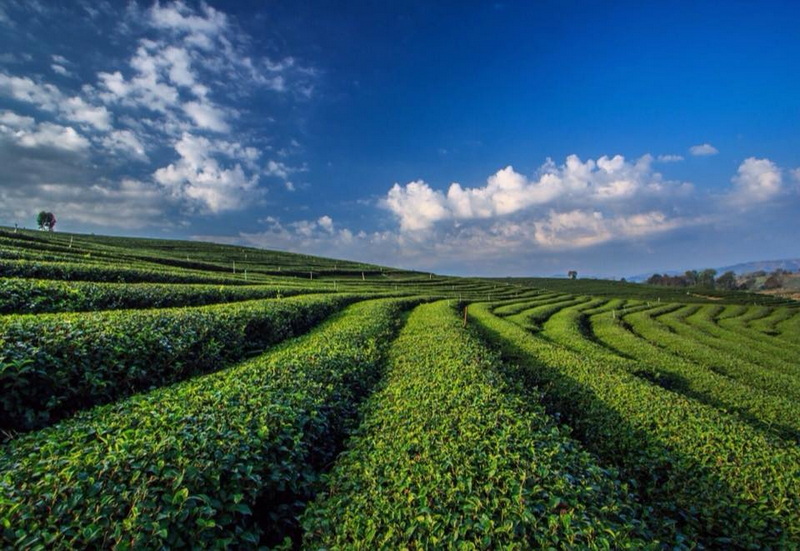
Choui Fong Tea Plantation is known for its orderly tea-covered slopes in Mae Chan District. Rows of bushes follow the contours of the land, creating patterns that change with the light and with the viewpoint. The visual appeal is immediate, but taking a closer look reveals more: the shape of the plants, the spacing between rows, the steepness of the terrain, and the careful maintenance required to keep a commercial crop productive.
A visit to Choui Fong Tea is also an introduction to agricultural tourism. The setting connects the landscape with the products served and sold there, giving travelers a chance to think about tea as a crop rather than only as a finished beverage. Different teas can have distinct aromas, colors, and tastes, and sampling them can make the relationship between cultivation and consumption more tangible.
Tea-based refreshments and packaged products are commonly central to the visitor experience, although the exact selection and availability may vary. Visitors may encounter loose-leaf tea, prepared drinks, or other tea-inspired items. These products can be useful souvenirs because they carry a direct connection to the place, but it is sensible to read labels, consider personal preferences, and buy only what can be transported and enjoyed responsibly.
The plantation’s appeal is strongest when visitors combine the scenic and sensory sides of the experience. Look across the slopes, then slow down over the color and fragrance of the tea. Notice how the surrounding hills frame the cultivated land. This kind of attention turns a short stop into a fuller understanding of the site, without requiring technical knowledge of tea production.
For anyone searching for a Tea Plantation Chiang Rai experience, the important distinction is that the setting offers more than a generic rural view. It brings together agricultural work, regional identity, and a visitor-facing tea culture. Photography is natural here, but travelers should avoid stepping into planted rows or blocking areas used by staff. Respect for the crop protects both the landscape and the people who maintain it.
Let the Landscape Set the Pace
A visit to Choui Fong Tea Plantation can be a memorable way to experience Chiang Rai beyond its best-known city landmarks. The tea fields show agriculture as part of the region’s identity, while the products and refreshments give that landscape a tangible expression. Planned with realistic timing and combined thoughtfully with nearby places, the journey becomes more than a quick stop on a long route. It becomes an opportunity to notice how scenery, farming, culture, and local livelihoods meet across northern Thailand.
