Ban La-Up Route Notes for an Independent Mae Hong Son Journey
A practical guide to reaching Ban La-Up, reading the mountain route, and communicating thoughtfully in Mae La Noi District

A visit to Ban La-Up begins long before arrival. The important decision is not how to fill a timetable, but how to understand a road journey that moves from Chiang Mai toward Mae Hong Son and into Mae La Noi District. Mountain travel changes the rhythm of a day: distances are shaped by winding roads, viewpoints appear between settlements, and a map becomes more useful when read as a sequence of ridges and district connections instead of a straight line. This guide is designed for an independent traveler who wants enough structure to make the journey confidently without turning the community into a rushed stop. It focuses on the practical geography of reaching Ban La-Up, the small language tools that make local encounters more courteous, and the way nearby points of interest can be considered as part of a wider Mae La Noi outing. Ban La-Up is also written in forms such as Baan La-Up and Ban La-Oub, so recognizing spelling differences can help when reading maps, notes, or travel discussions. The destination’s value lies in the meeting of a highland road, a settled mountain community, and the attentive habits that make rural travel work well.
Read the journey as a chain of northern districts
The route from Chiang Mai to Ban La-Up is best imagined in stages. Chiang Mai provides the large regional starting point; the road then enters the more mountainous setting associated with Mae Hong Son Thailand, before the final approach leads toward Mae La Noi District. That sequence matters because the destination is not an isolated urban attraction with a single obvious arrival point. It belongs to a network of smaller roads and district communities, and the journey itself supplies the geographical context.
For most independent visitors, road travel is the practical framework. A private car, hired vehicle, or local transport arrangement gives greater control over pauses than a fixed urban transfer, although each option creates a different relationship with the route. A driver who knows the mountain roads can reduce the mental work of navigation, while a self-drive journey allows a traveler to respond to weather, daylight, and personal comfort without inventing a rigid schedule. Exact travel time is less useful than allowing the route enough space for bends, elevation changes, and unplanned pauses.
Map searches may display Ban La-Up Mae Hong Son, Ban La-Up Mae La Noi, or another spelling of the name. Those labels are useful clues rather than separate destinations. A search for Ban Lua-Up may also return a spelling variant, particularly when information has been transliterated from Thai in different ways. Saving the destination in more than one form can prevent a small spelling difference from becoming a major navigation problem, especially when comparing map results or written directions.
The route has an interpretive benefit as well. Moving inland toward Mae La Noi shows how northern travel shifts from major service centers to district-scale places where roads, farms, forested slopes, and homes are closely connected. Ban La-Up therefore works well as a destination for readers who enjoy understanding how a region is joined together, not simply collecting a landmark at the end of a drive.
Use the final approach to understand Ban La-Up
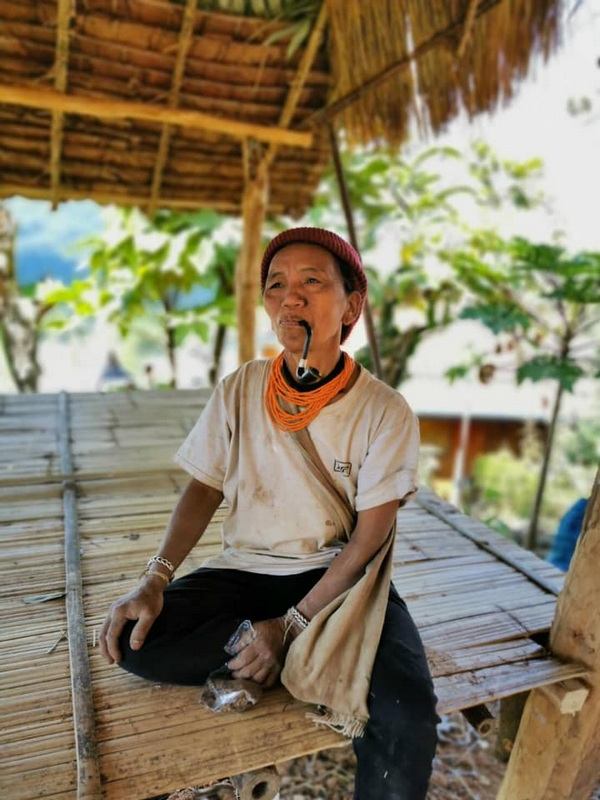
The last part of the journey deserves attention because arrival is not only a logistical event. In a mountain community, the road may pass through changing slopes, cultivated ground, wooded sections, and small built areas before the destination feels clearly defined. These details help a visitor place Ban La-Up within Mae La Noi District. They also encourage a useful habit: observe how people use the surroundings instead of expecting a single dramatic sight to explain the whole place.
A practical arrival begins with modest expectations about movement. Roads in highland areas can be curving, and the experience of travel is influenced by rain, visibility, roadwork, and the driver’s familiarity with the route. The sensible response is to keep the day flexible and avoid treating a map estimate as a promise. This is not a reason to make the journey complicated; it is simply a recognition that mountain geography has its own pace.
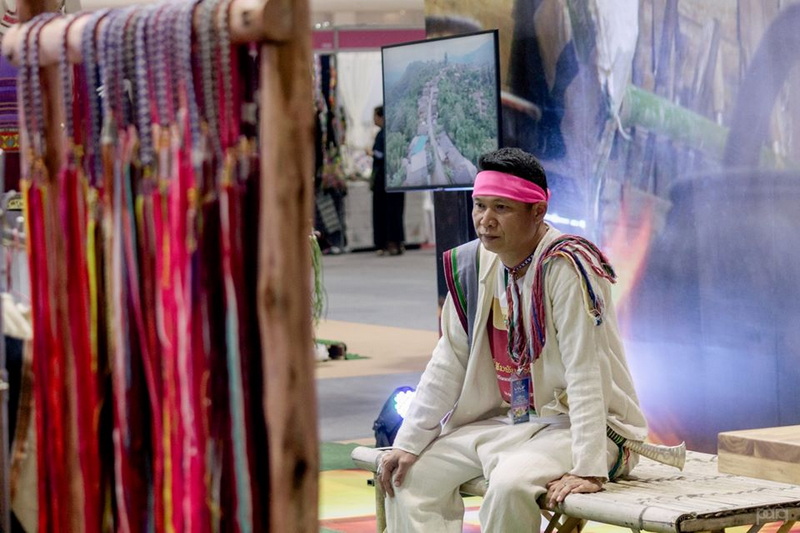
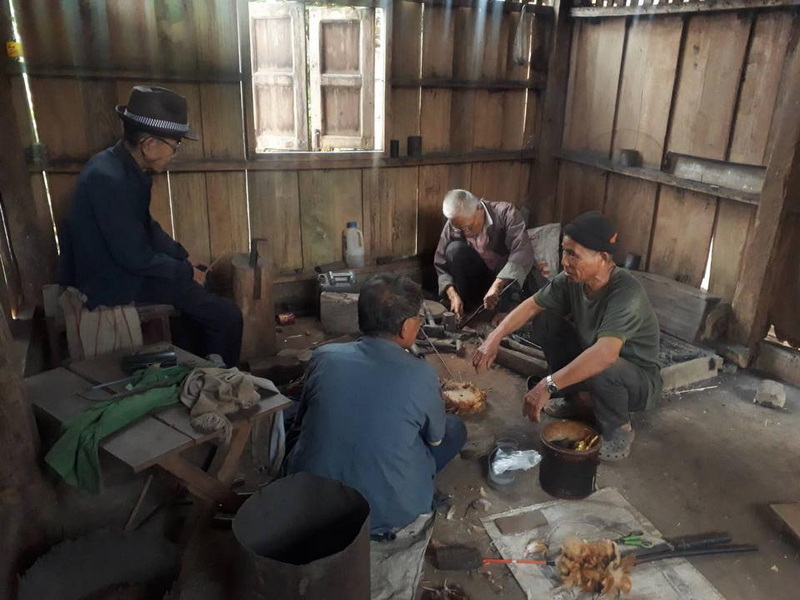
Once in the community, visitors should let public areas, paths, and local activity guide their behavior. Photography is best approached with courtesy, particularly when people or private homes are involved. A quiet presence is more useful than trying to turn ordinary community life into a performance. Ban La-Up can be appreciated through its setting, buildings, cultivated land, and the patterns of arrival and departure that shape village life without requiring intrusive access.
This perspective also clarifies what a useful visit looks like. The destination is suitable for travelers who are willing to notice relationships: the road connecting the district, the land supporting settlement, and the small decisions that allow a guest to move through the area with consideration. The reward is not a scripted attraction sequence but a clearer reading of how a mountain community fits into the province.
Two regional references for extending the map
Ban La-Up becomes easier to place when the surrounding district is read through both natural and community-based reference points. Two supplied nearby names offer that wider frame without turning the visit into a fixed circuit.
Kaew Komol Cave
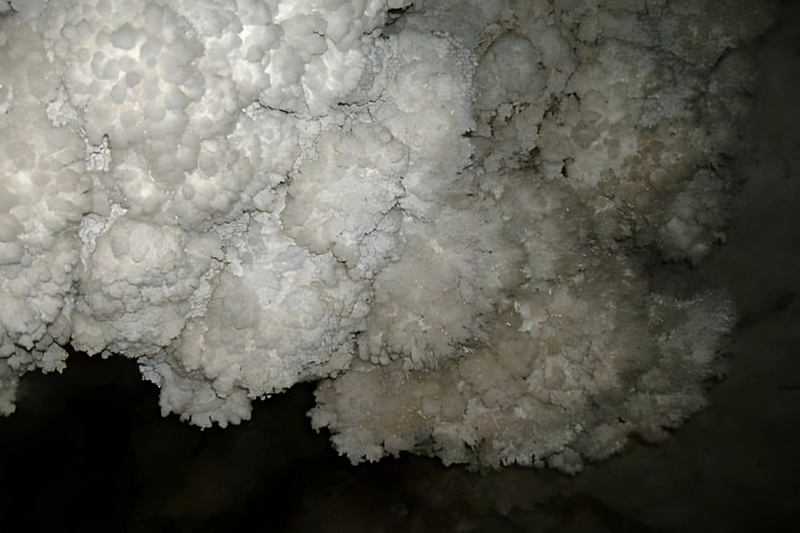
Kaew Komol Cave is one of the named points of interest associated with the wider Mae La Noi area. Its presence gives a route planner a natural-landscape reference alongside the community setting of Ban La-Up. Travelers interested in adding a geological dimension to their regional day can keep the cave in mind when shaping a broader Mae La Noi visit, without assuming that every journey will follow the same order.
Huai Hom Karen Village
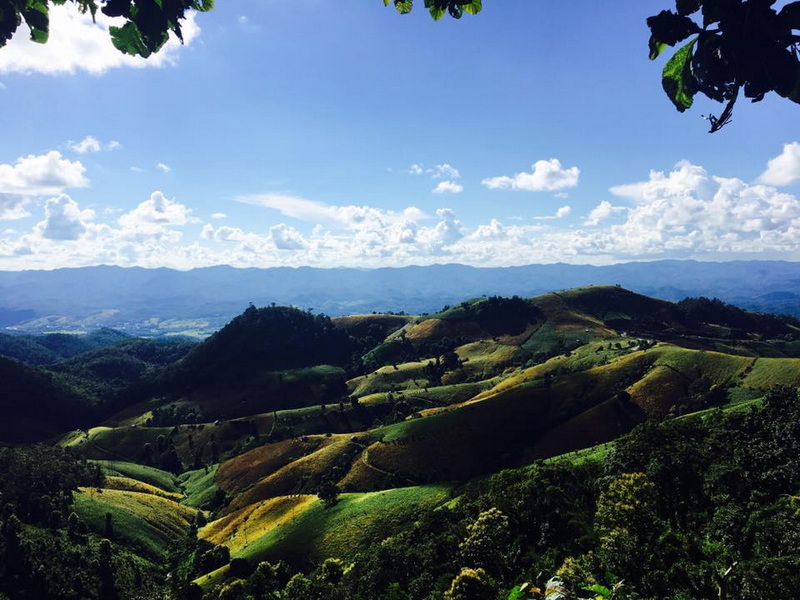
Huai Hom Karen Village provides another named point of reference for understanding the district through community-based places. It should be approached as a living village, not as a staged display for visitors. For an independent traveler, its relevance is the reminder that a journey around Mae La Noi may include places where local identity and everyday life remain central to the setting. Courtesy, privacy, and attention to local boundaries are essential.
Prepare for communication and changing conditions
A few simple Thai expressions can make practical encounters easier. “Sawasdee” is a familiar greeting, while “khop khun” means thank you. A polite tone, a patient pause, and a willingness to accept that communication may be brief are often more useful than trying to conduct a long conversation without shared language. When asking for directions, showing a saved map and confirming the destination name in more than one spelling can reduce confusion.
Some visitors may compare independent planning with a Chiang Mai To Mae Hong Son Tour Package as they consider how much route responsibility they want to carry. A package can be a useful regional planning frame, but travelers should check current details directly rather than assuming that a particular community stop, transport arrangement, or activity is included. Independent visitors should likewise confirm road conditions, daylight, vehicle readiness, and navigation information before leaving a larger service center.
Responsible preparation also includes practical judgment at the destination. Keep noise low, remain in appropriate public areas, ask before photographing people, and avoid treating homes or community activities as open-access attractions. Weather can alter the feel of the road, so carrying water, allowing extra time, and keeping plans flexible can make the journey more comfortable without turning it into a rigid itinerary. These habits support both visitor confidence and respect for local residents.
Let the name guide the conversation
The most useful thing an independent traveler can carry into Ban La-Up is not a crowded itinerary but a clear sense of place. The road from Chiang Mai establishes the regional scale, the final approach reveals Mae La Noi’s mountain geography, and a few Thai expressions make ordinary interactions warmer and easier. Saying “sawasdee” for hello, “khop khun” for thank you, and “mai pen rai” in the familiar sense of reassurance can support a respectful exchange, even when conversation remains limited. Ban La-Up is consequently best remembered as a destination where navigation and courtesy meet: knowing where you are helps you arrive, while knowing how to behave helps you belong briefly and appropriately.
