Wat Luang Khun Win Among the Best Temples In Northern Thailand
A respectful look at a forest temple, local touring possibilities, and meaningful places around Mae Wang
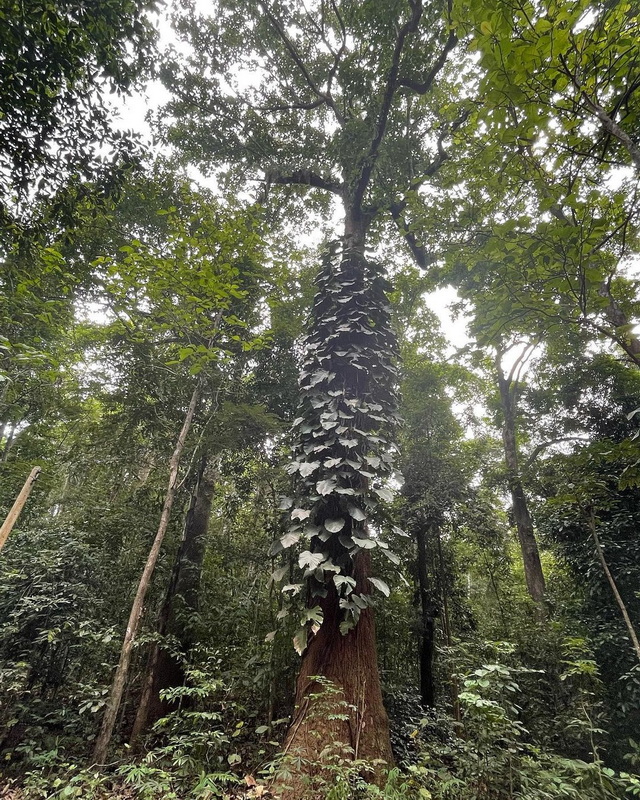
In Mae Wang District, Chiang Mai, Wat Luang Khun Win offers a different perspective on northern Thai temple visits. Rather than being understood only as a landmark to check off a city itinerary, this remote religious site is best approached as a place where architecture, forest surroundings, and spiritual practice meet. Its setting gives the visit a distinctly local sightseeing character, while its wooden details and calm atmosphere invite careful observation. For travelers comparing the Best Temples In Northern Thailand, the appeal of Wat Luang Khun Win lies less in a formal ranking than in the quality of the experience it represents. The temple introduces a quieter side of Chiang Mai’s cultural landscape, away from the concentrated monuments of the old city. It can also provide a thoughtful focus for Chiang Mai Temple Tours that extend beyond central neighborhoods and connect heritage with the countryside. This guide considers what makes the temple worth including, how to think about temple tours in this setting, and which nearby places can broaden a day of sightseeing. The emphasis is on cultural respect and realistic expectations rather than exaggerated claims.
Why Wat Luang Khun Win Belongs on a Northern Temple List
Wat Luang Khun Win is notable for the relationship between its religious buildings and the natural environment of Mae Wang District. The temple is associated with a forested setting, and that surrounding landscape shapes the visitor experience as much as the structures themselves. The sense of distance from the urban center encourages a slower form of looking: visitors can notice timber craftsmanship, devotional details, and the way the site sits within its environment rather than moving quickly from one major object to the next.
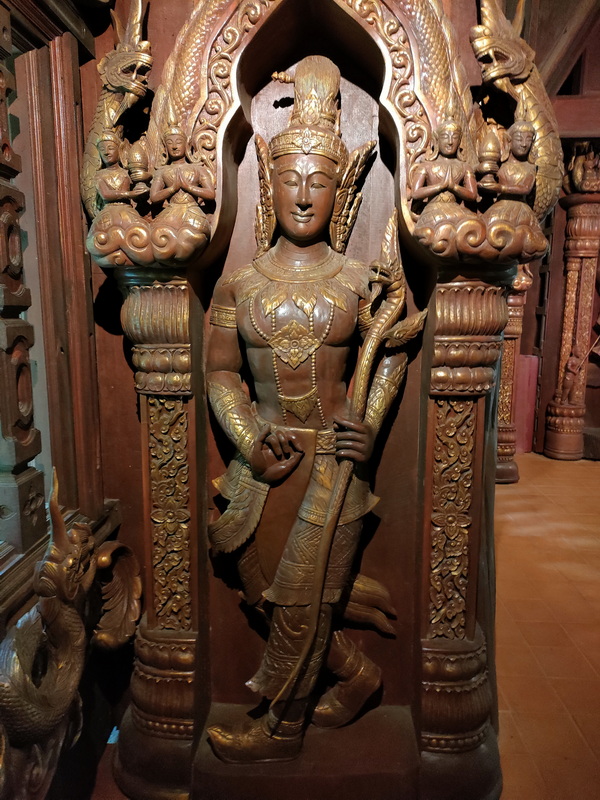
The Luang Khun Win Temple name is often used by visitors searching for a cultural stop outside Chiang Mai’s best-known urban temples. Its significance should not be reduced to photographic appeal. As with any active Buddhist temple, the grounds are a place of religious meaning for local people. Visitors are guests in that setting, and quiet behavior, modest clothing, and sensitivity around worshippers are more important than treating the temple as a decorative backdrop.
This combination of heritage and atmosphere explains why the site can be considered among the Best Temples In Northern Thailand in a travel-planning sense. It represents a type of northern temple experience that differs from grand city monuments. The value is found in the setting, the feeling of continuity, and the opportunity to understand how sacred places can remain connected to rural landscapes. For culture-focused travelers, that distinction may be more memorable than a simple list of famous buildings.
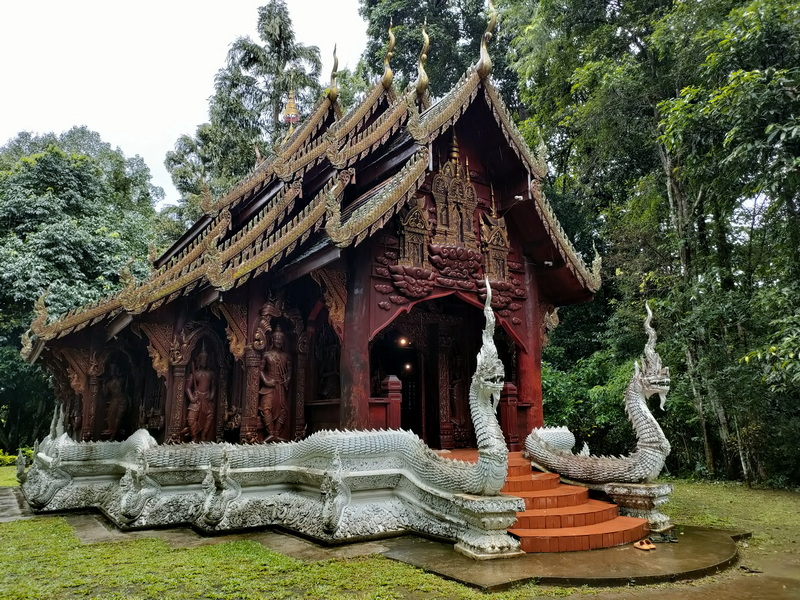
What Visitors Can Notice at Wat Luang Khun Win Chiang Mai
A visit to Wat Luang Khun Win Chiang Mai is best paced as an observation of place. Look at how the buildings are positioned, how wooden surfaces age in a humid northern climate, and how religious symbols are incorporated into the architecture. These details can be easy to miss when a visit is treated as a brief stop between activities. Taking time to notice them helps reveal the temple’s character without requiring unverified assumptions about its history or status.
The site also encourages visitors to distinguish between tourism and worship. Some people may come to make merit, pray, or maintain a personal connection with the temple, while others arrive to learn about local heritage. Both forms of presence can coexist when visitors remain considerate. Avoid interrupting ceremonies, ask permission before photographing people, and follow any signs or guidance given at the temple. These simple choices help preserve the dignity of a living religious place.
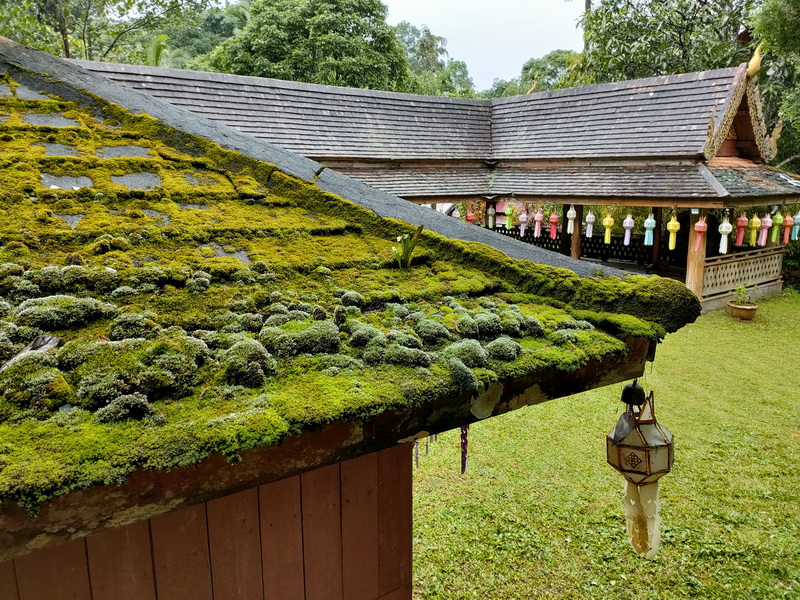
The surrounding woodland contributes to the atmosphere, but it should not be described as a guarantee of solitude or a particular wildlife experience. Conditions can vary, and the purpose of the visit remains the temple itself. Comfortable, practical preparation is sensible for a rural setting, yet this article does not assume specific facilities or operating arrangements. Checking current local information before setting out is a responsible part of planning, especially when a destination lies outside the city center.
Two Mae Wang Places That Extend the Cultural Journey
The temple can stand on its own as a heritage visit, but the surrounding district gives the experience a wider frame. After considering the site’s religious and architectural character, these two nearby destinations offer contrasting ways to continue exploring Mae Wang.
Mae Wang National Park
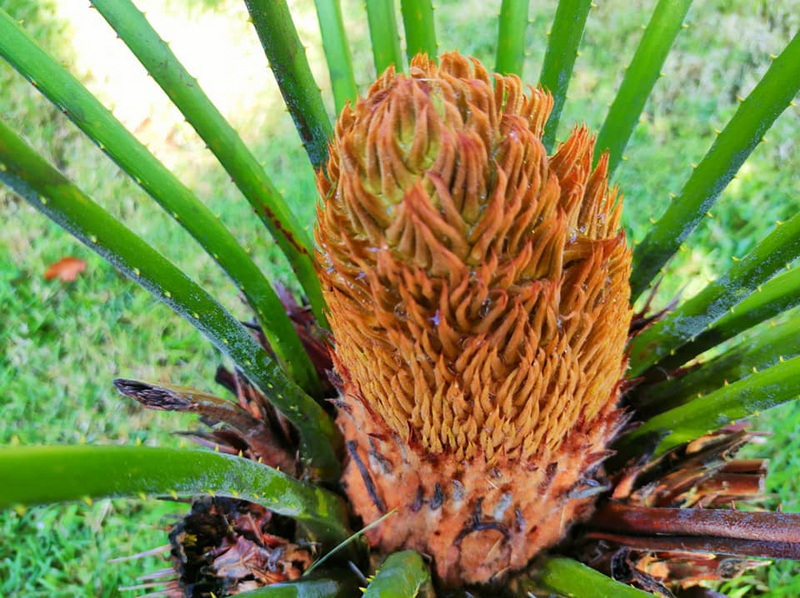
Mae Wang National Park provides a natural counterpart to the cultural focus of Wat Luang Khun Win. Its landscapes can help visitors understand the broader environmental setting of Mae Wang District, where forest and upland scenery shape the identity of the area. The park should be approached according to current local guidance and with care for the environment. Visitors can keep the connection between the two places simple: the temple offers a heritage perspective, while the park broadens awareness of the region’s natural surroundings.
Including Mae Wang National Park in the same general sightseeing plan may appeal to travelers who want more than an urban temple circuit. It is still important not to assume that every route, facility, or activity will be available at all times. Conditions in natural areas can change, so current information is useful before travel. The strongest experience comes from giving both the temple and the landscape their own character rather than rushing through them as interchangeable stops.
Khun Wang Royal Project
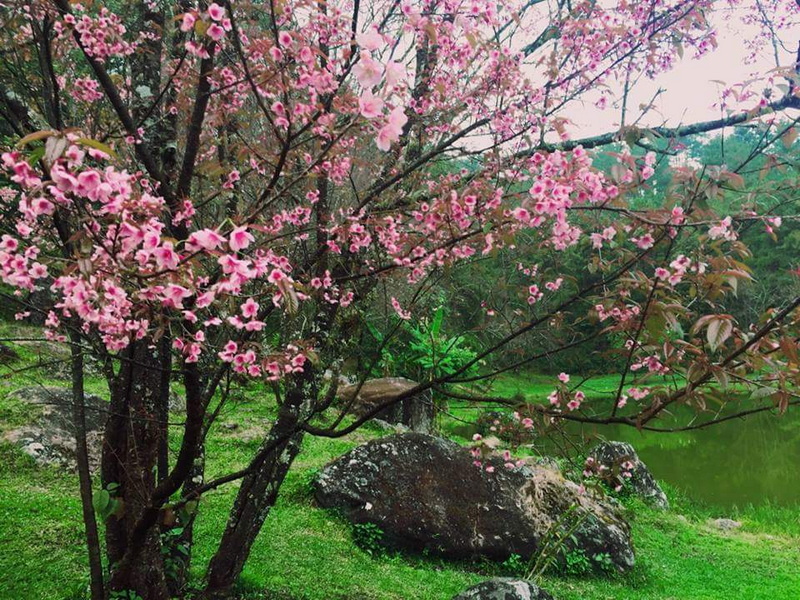
Khun Wang Royal Project adds an agricultural and community-focused dimension to sightseeing around Chiang Mai. Its presence in the wider regional itinerary can help travelers see that northern Thailand’s attractions are not limited to temples and scenic viewpoints. The project is connected with highland development and cultivated landscapes, offering a different way to consider how people live and work within the region.
A visit should be guided by respect for local work and by attention to current visitor information. Travelers should avoid treating farming areas or community life as a performance arranged solely for tourists. Paired thoughtfully with Wat Luang Khun Win, the project can contribute to a fuller understanding of Mae Wang: one place expresses religious heritage, while the other points toward agriculture, landscape management, and local livelihoods.
How Temple Tours Can Give the Visit Context
Chiang Mai Temple Tours are often associated with the old city, where several important temples can be visited within a compact urban area. A journey to Wat Luang Khun Win offers a different model. Here, the temple becomes part of a broader regional story involving Mae Wang’s rural scenery, local communities, and the changing relationship between cultural heritage and tourism. The journey itself should therefore be viewed as a transition from city sightseeing to a more landscape-based experience.
A well-considered tour or self-planned visit can give travelers time to understand the difference between architectural appreciation and religious participation. A guide may help explain visible features, regional traditions, or appropriate conduct, but visitors should be cautious about accepting dramatic stories or rankings that cannot be supported. The most useful interpretation is often clear and modest: it explains what can be observed, acknowledges what is uncertain, and allows the temple to retain its spiritual importance.
For someone deciding between a central temple circuit and an outing toward Mae Wang, the choice depends on the kind of day desired. Central temples offer density, historic urban context, and easier connections among several landmarks. Wat Luang Khun Win offers a more rural setting and a chance to focus on one sacred place. It is not necessary to claim that one is universally better. They serve different interests, and together they show the range of cultural experiences available around Chiang Mai.
The Luang Khun Win Temple Chiang Mai search phrase may suggest a city attraction, but the temple’s location is an important part of its identity. It is in Mae Wang District rather than within the concentrated historic core. That geographic distinction helps set expectations and encourages travelers to plan the visit as regional sightseeing instead of assuming it is a quick stop between old-city temples.
Connecting a Sacred Site with Must Visit Places In Chiang Mai
Many Must Visit Places In Chiang Mai are promoted for their visual impact, but meaningful travel can also come from understanding how attractions relate to one another. Wat Luang Khun Win can serve as an anchor for a day that combines religious heritage with the wider character of Mae Wang District. The nearby landscape adds context without competing with the temple, provided the visit is planned with enough time and attention for each place.
This broader approach is especially useful for travelers who have already seen central Chiang Mai or who want a less concentrated cultural itinerary. Instead of collecting identical temple photographs, they can compare different settings and ask how geography influences the design, atmosphere, and use of sacred spaces. Such comparison turns sightseeing into learning while keeping the focus on respectful observation.
A More Grounded Way to Experience Wat Luang Khun Win
Wat Luang Khun Win is compelling because it brings together a sacred setting, northern architectural character, and the quieter landscapes of Mae Wang District. It may not fit every traveler’s idea of a quick Chiang Mai highlight, but that is precisely why it deserves thoughtful consideration. Approach the temple as a living place, allow time for careful observation, and connect the visit with nearby natural and community landscapes where appropriate. In doing so, travelers gain more than another landmark: they gain a respectful view of how culture, faith, and place remain connected in northern Thailand.

No comments:
Post a Comment