Wat Chaloem Phra Kiat Through Lampang’s Forest and Craft Heritage
A cultural route linking forest, ceramics, mountain worship, and northern Thai regional character
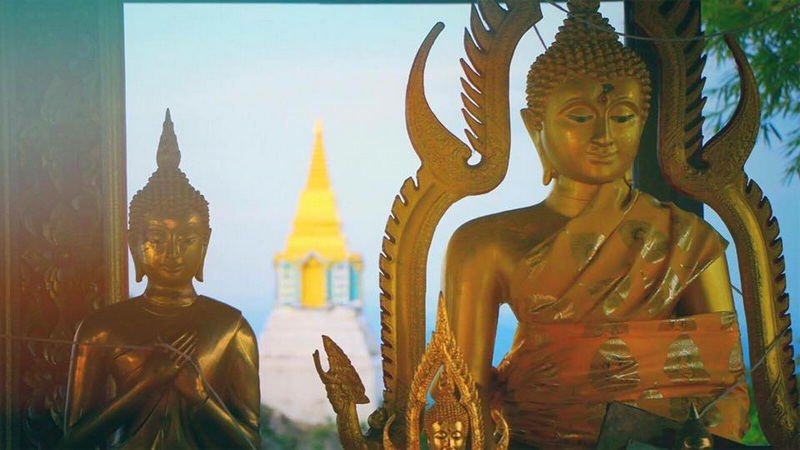
Lampang can be read through materials and landscapes: clay shaped by human hands, water moving through forest, and stone rising above the surrounding countryside. Following those connections leads naturally to Wat Chaloem Phra Kiat, where religious architecture occupies a dramatic highland setting in Chae Hom District, Lampang. The temple is often remembered for its white pagodas and elevated location, yet its meaning becomes clearer when considered alongside the region’s creative and ecological traditions. A visit can therefore begin with questions about how people work with earth and water before turning toward the spiritual language of buildings, bells, pathways, and mountain space. This approach places Chaloem Phra Kiat Temple within a broader Lampang story rather than treating it as an isolated stop. It also gives travelers a useful way to compare cultural sites, protected landscapes, and living religious places while planning a northern Thailand journey.
Begin with Clay, Water, and Forest
The strongest regional connection is not a road map but a shared relationship with natural materials. Ceramic work depends on earth, water, heat, and patient skill. A forested national park reveals another side of the same relationship, showing how streams, vegetation, wildlife, and geological formations shape local experience. At Wat Chaloem Phra Kiat, stone and elevation become part of the setting for religious structures. These elements belong to different forms of heritage, but together they show how Lampang’s identity is formed through both environmental conditions and human interpretation.
Dhanabadee Ceramic Museum offers a useful cultural starting point because it directs attention toward making. Visitors can consider how clay becomes useful objects, how craft knowledge is carried forward, and how a regional industry can become part of public memory. The museum experience adds texture to a temple visit: instead of seeing architecture only as a finished image, travelers may become more attentive to surfaces, construction, decorative choices, and the labor behind built environments.
Chae Son National Park supplies a contrasting but complementary perspective. Its appeal lies in observing a protected natural setting rather than collecting a single visual impression. Forest conditions, water, rock, and changing elevation create an environment in which patience matters. The park can help visitors understand why northern Thai journeys often move between cultural landmarks and natural areas. Both kinds of place reward attention to context, even though one is shaped strongly by religious purpose and the other by ecological processes.
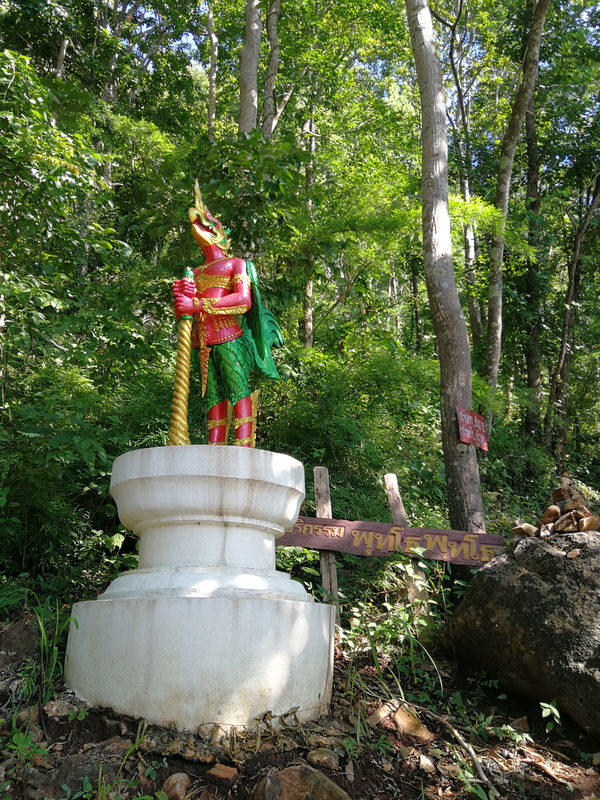
How the High Ground Shapes the Temple
Wat Chaloem Phra Kiat is associated with a group of small white pagodas and religious structures positioned among limestone heights. Their placement gives the site a distinctive visual character, but the setting also affects how the temple is experienced. Buildings are encountered in relation to slopes, open air, rock, and distance. The result is an architectural composition in which the surrounding terrain remains an active part of the visitor’s understanding.
The temple’s importance is connected to religious devotion, commemorative intention, and the work required to establish and maintain a sacred place in a challenging landscape. It belongs to the contemporary cultural fabric of Lampang while also participating in the wider traditions of Buddhist temple design in northern Thailand. That combination explains why the site appeals to travelers interested in both heritage and geography. Its identity does not depend on age alone; it also reflects continuing community meaning and present-day religious practice.
Within discussions of the Best Temples In Northern Thailand, the temple provides a different case from urban monasteries or historic complexes surrounded by dense neighborhoods. The mountain environment changes the visitor’s sense of scale and encourages attention to how architecture responds to terrain. This should not turn the site into a spectacle detached from worship. The pagodas, pathways, and surrounding landscape are best understood as parts of a sacred environment with cultural responsibilities attached to it.
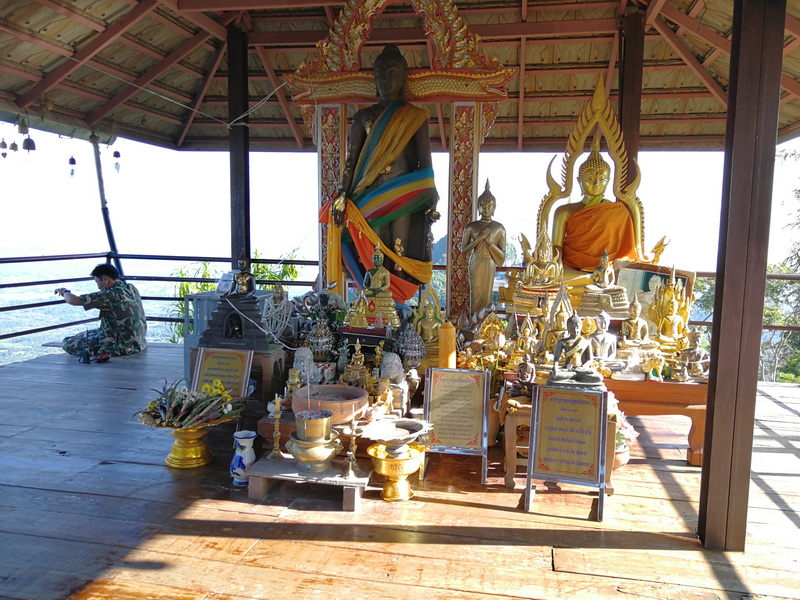
A Short Note on Names and Regional Identity
Travel research may produce several labels for the same destination. Wat Chalermprakiat, Wat Chaloemprakiat, Chaloemprakiat Temple, Chaloemprakiat Temple Lampang, and Wat Chaloem Phra Kiat Phrachomklao Rachanusorn are among the variations associated with the site. Chaloem Phra Kiat Temple Lampang is another wording that may appear in travel searches. These names are useful for recognizing listings and references, but they do not replace learning about the place itself.
The variations also reflect how a destination moves between formal religious language, local usage, transliteration, and tourism writing. A careful traveler can use them as practical search terms while keeping the focus on the temple’s role as a place of worship and regional heritage. The name Wat Chaloemprakiat Lampang may be especially helpful when distinguishing this site from similarly commemorative destinations elsewhere in Thailand.
This regional perspective makes the temple a meaningful subject for Chiang Mai Package Tours as well as independent journeys, without reducing it to a standard package component. Travelers coming through a broader northern route can use the site to compare Lampang’s mountain religious landscape with the craft traditions and ecological settings found elsewhere in the region. The important point is the relationship between places: each contributes a different way of understanding how communities inhabit northern Thailand.
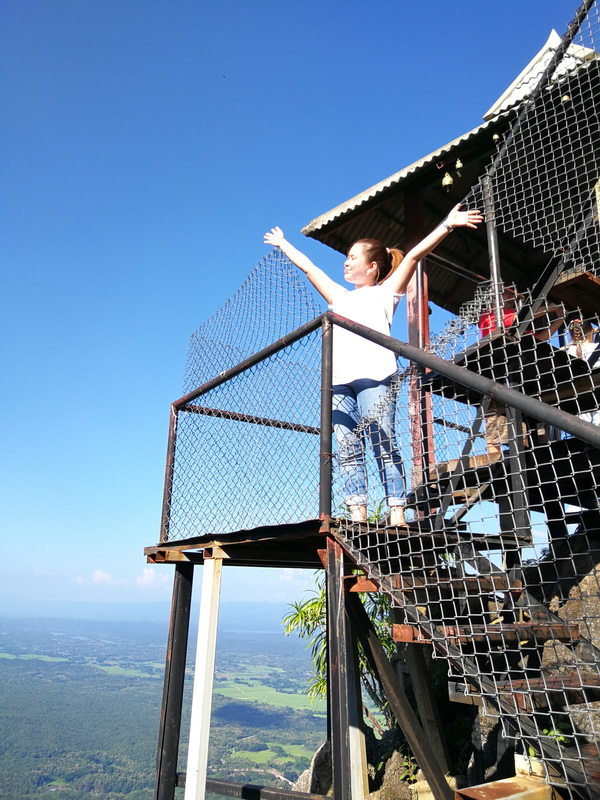
Let the Setting Set the Pace
A visit calls for awareness of the temple’s religious function. Clothing and behavior should be suitable for a sacred environment, and visitors should follow any instructions displayed or given locally. Quiet observation is preferable to treating worshippers, monks, or ceremonies as background material. Photography should be approached with judgment, especially when people are praying or when a particular area appears reserved for religious activity.
The landscape also deserves care. Mountain terrain can be visually impressive while remaining physically and ecologically sensitive. Staying on appropriate paths, avoiding damage to plants and rock, and carrying personal waste away are simple ways to reduce pressure on the setting. Similar care applies at Chae Son National Park, where the experience depends on the continued health of forest and water systems. Visitors should check current local guidance before traveling because conditions and arrangements can change.
The most rewarding rhythm is one of observation rather than hurried collection. Notice how distance alters the appearance of the structures, how forest edges frame open areas, and how the temple’s atmosphere differs from a museum or a park. Such comparisons do not blur the purposes of these places. Instead, they help travelers recognize the distinct forms of care involved in religious practice, creative work, and environmental protection.
Nearby Attractions
Dhanabadee Ceramic Museum

Dhanabadee Ceramic Museum complements Wat Chaloem Phra Kiat by focusing on Lampang’s ceramic heritage and the knowledge behind local production. The visit can encourage closer attention to clay, firing, form, and the relationship between household objects and regional identity. It is particularly useful for travelers who want a cultural experience grounded in craft rather than monumental architecture.
Placed alongside the temple, the museum creates a conversation between making and meaning. Ceramic objects show how material can be shaped for daily life, while religious buildings express devotion through design, space, and ritual use. The two experiences should not be treated as interchangeable, but their contrast reveals how Lampang’s heritage includes both practical creativity and sacred expression.
Chae Son National Park
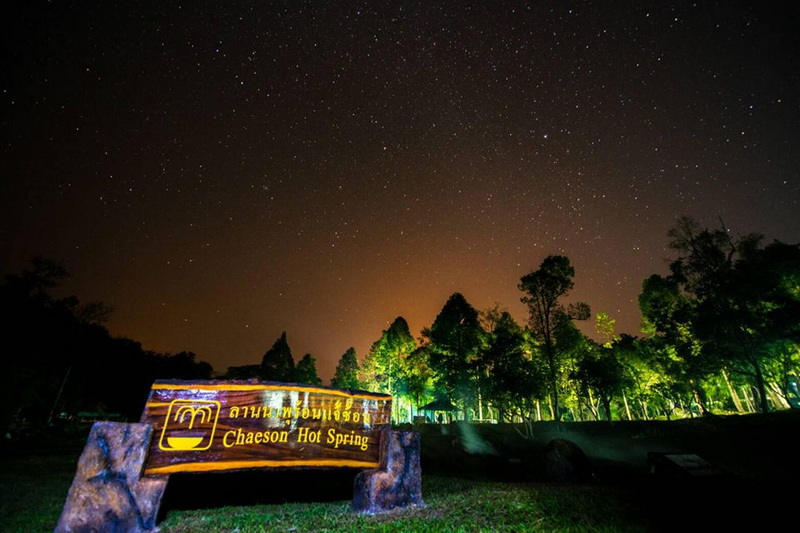
Chae Son National Park brings the journey into a protected natural setting where forest, water, rock, and wildlife shape the visitor experience. The park is suited to travelers who enjoy observing ecological relationships and changing terrain. Rather than approaching it as a backdrop for a temple excursion, visitors can give the natural area its own importance and allow time for its quieter forms of discovery.
Together with Wat Chaloem Phra Kiat, the park makes visible the varied landscapes of Lampang. The temple presents a deliberate human response to elevated terrain, while the park invites attention to systems that develop through natural processes and conservation. This pairing can deepen appreciation for both locations, provided visitors follow local guidance and avoid assuming that every area has the same conditions or access arrangements.
The Journey in Perspective
Seen through craft and ecology, Wat Chaloem Phra Kiat becomes part of a wider regional conversation. Dhanabadee Ceramic Museum shows how earth can become skilled production and cultural memory; Chae Son National Park shows how water, forest, and geology continue to shape everyday understanding of the north. The temple adds a religious dimension, using architecture and elevated ground to express devotion and commemoration. Together, these experiences offer a more complete reading of Lampang than any single category could provide. They show a province where heritage is made, protected, practiced, and interpreted in many forms. For a cultural-focused traveler, that connection is the lasting value of placing the temple within its surrounding landscape.

No comments:
Post a Comment