Land Split Pai and the Culture of Thoughtful Local Travel
A respectful planning guide to local tours, rural livelihoods, and the wider Pai experience
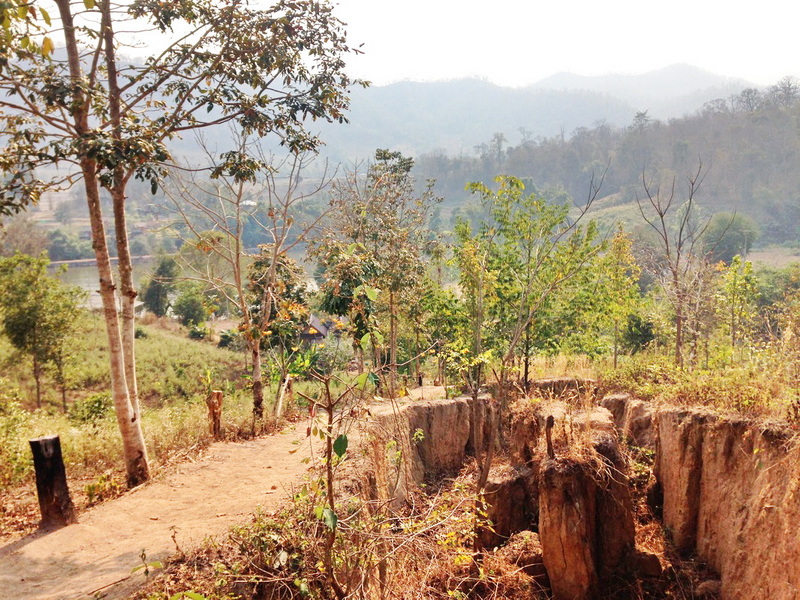
Land Split Pai is more than a brief stop for photographs. In the countryside of Pai District, Mae Hong Son, a dramatic crack in cultivated land has become a place where visitors can learn about rural life, observe how a family shares its surroundings, and think more carefully about the relationship between tourism and local livelihoods. The setting is modest, personal, and different from a formal attraction with a large visitor infrastructure. That character makes the site especially suitable for travelers interested in the meaning behind a journey rather than a checklist of sights. A visit can fit into a wider day around Pai, but the quality of the experience depends on patience, respectful behavior, and realistic planning. This guide looks at Land Split as part of a local travel culture connected with Chiang Mai and Mae Hong Son Thailand, while also considering how Pai Canyon and Pai Walking Street can add different perspectives to the same trip.
Reading the Landscape at Land Split
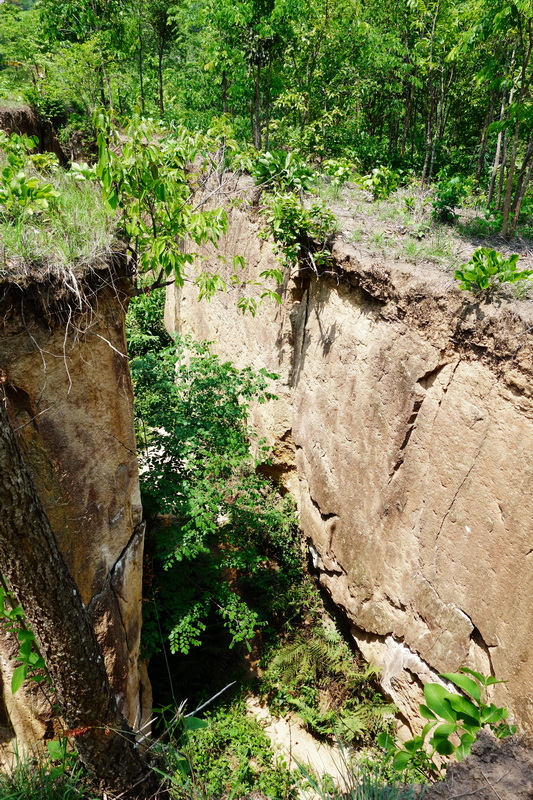
The central feature of Land Split is a deep fissure formed in farmland after the ground changed and opened. Rather than presenting the landscape as an isolated geological curiosity, it is useful to notice its agricultural context. The surrounding land reflects work, seasonal conditions, and the practical reality of a rural household. The attraction therefore sits at the meeting point of natural change and everyday livelihood.
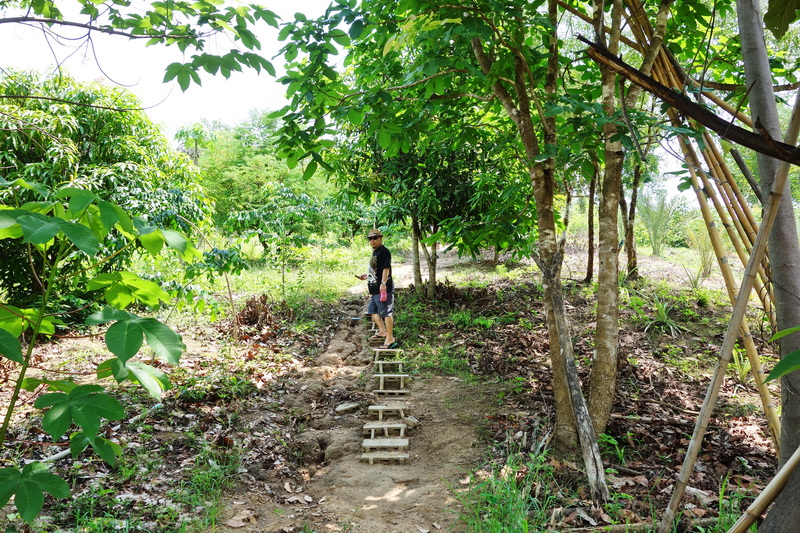
Visitors should approach the place as a lived environment. Paths, planting areas, household spaces, and viewing points may not resemble a purpose-built park, so observation is more appropriate than exploration beyond areas that appear open to guests. Staying on visible routes, asking before taking photographs of people, and avoiding contact with crops are simple ways to show consideration. These actions matter because the attraction is connected to private effort and local hospitality.
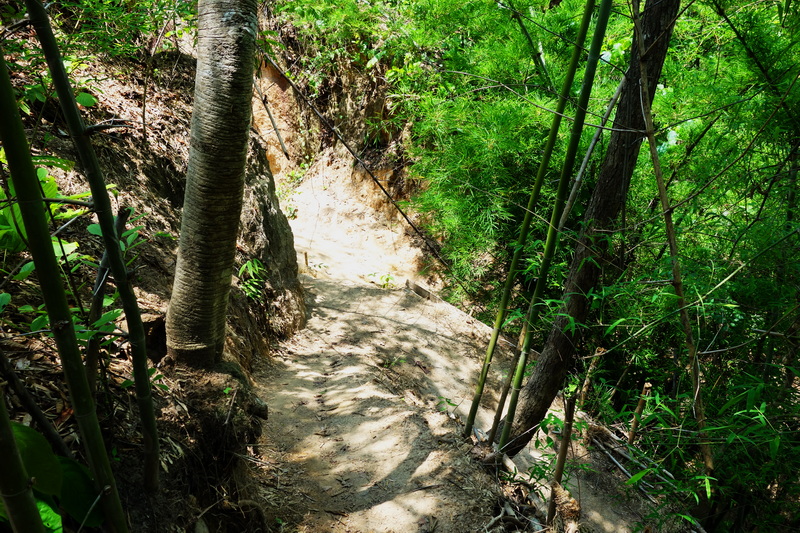
The appeal of a Land Split Travel Guide is consequently not limited to geology. It can encourage questions about how communities respond when an unusual natural event becomes known to travelers. Local hosts may share food, drinks, or explanations as part of the visitor experience, but guests should not assume that hospitality is an entitlement. A contribution or purchase, where offered, can be understood as support for the people maintaining the site rather than merely a transaction attached to sightseeing.
The best length of a visit is determined by attention rather than by a fixed target. Take time to understand the landscape, listen if a host explains its history, and leave the setting as it was found. This slower approach avoids turning a working rural property into a rushed photo stop and gives the place a more meaningful role in a Pai itinerary.
What Local Tours in Chiang Mai Can Teach
Local Tours in Chiang Mai are often discussed as convenient ways to reach places beyond the city, but their cultural value can be broader. A locally informed tour may connect travelers with regional landscapes, food traditions, craft communities, and small businesses that are easily missed when a journey is planned only around major landmarks. The strongest experiences are not about collecting access to “hidden” places; they are about learning how destinations function for residents.
For a culture-focused traveler, this distinction is important. Pai and the wider Mae Hong Son region are not simply scenic backdrops for an outside audience. They are home to people whose work continues whether tourism is busy or quiet. A responsible tour conversation should therefore include practical questions: who benefits from the visit, whether local customs are being represented accurately, and whether the pace allows hosts to participate on their own terms.
A tour from Chiang Mai can also provide useful interpretation of the changing landscape between the city and Pai. The journey moves from an urban center toward mountain roads, valleys, agricultural areas, and smaller communities. Rather than treating that movement as a dramatic contrast between modern and traditional life, travelers can view it as a connected region with different economic patterns and histories. This perspective avoids exoticizing rural communities while still recognizing the value of local knowledge.
When comparing options, look beyond a memorable name or a long list of stops. Ask whether the guide explains community etiquette, allows reasonable time at locally operated sites, and avoids pressuring residents or travelers. A smaller group may make conversation easier, but no format automatically guarantees a respectful experience. The conduct of the guide and guests remains more important than the label attached to the tour.
Two Complementary Perspectives Around Pai
Land Split becomes easier to appreciate when it is not viewed in isolation. The following two places add contrasting natural and social dimensions to a day in Pai, without taking attention away from the rural setting that gives the visit its character.
Pai Canyon
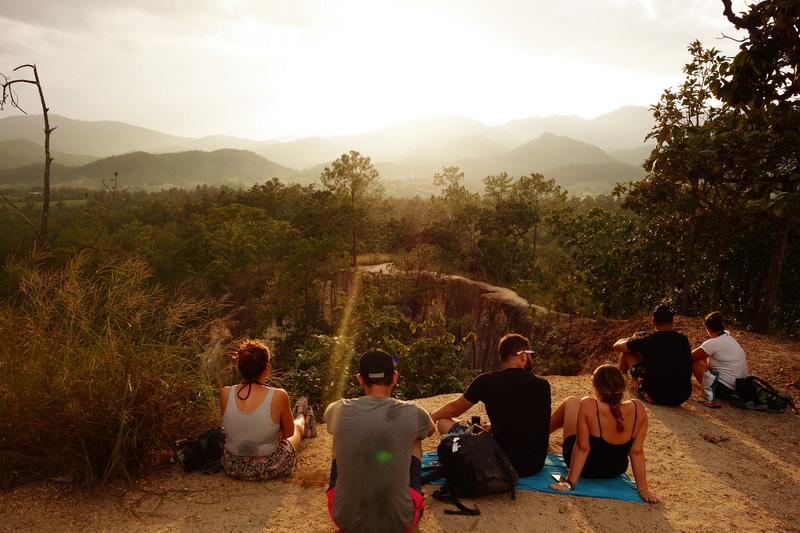
Pai Canyon provides a contrasting outdoor experience to the cultivated setting of Land Split. Its narrow ridges, eroded forms, and elevated views invite attention to the broader terrain around Pai, although visitors should take care on uneven and exposed sections. It is best approached with suitable footwear, awareness of weather, and respect for natural edges rather than an assumption that every viewpoint is safe for close photography. Placing the canyon in the same itinerary can help travelers compare a landscape shaped by erosion with farmland shaped by human care.
Pai Walking Street
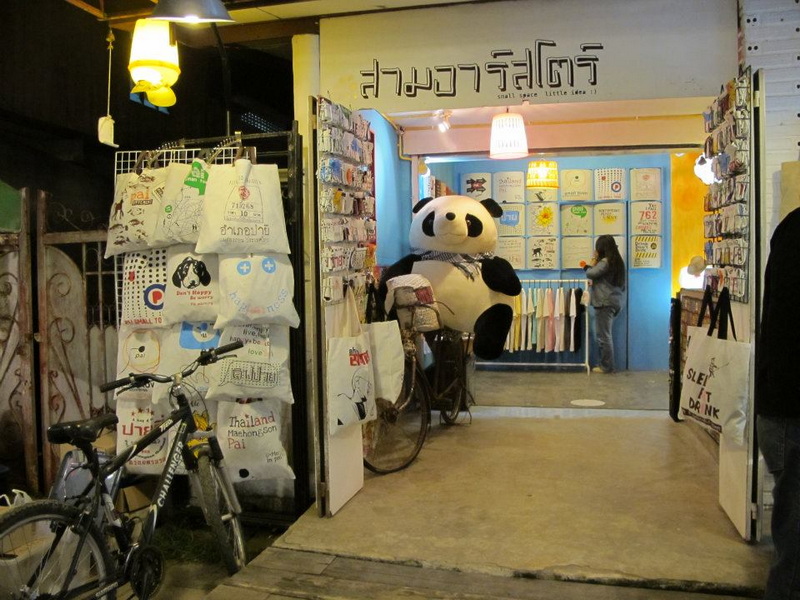
Pai Walking Street offers a different way to understand the area through food, small businesses, crafts, and evening social activity. It should not be treated as a complete representation of local culture, since a busy visitor marketplace includes many commercial influences, but it can show how tourism has become part of the town’s economy. Travelers can browse without blocking vendors, ask before photographing people or products, and make purchases thoughtfully. Following a rural visit with time in the town creates a useful contrast between household-scale hospitality and a more public, lively marketplace.
Planning the Journey from Chiang Mai
Travelers considering a Chiang Mai To Mae Hong Son Tour Package should first decide whether their priority is Pai, a broader regional journey, or an introduction to several places over multiple days. Land Split is in Pai District, while Mae Hong Son Province covers a much larger area. Clear expectations help prevent a route from becoming overcrowded with stops and allow enough time for changing weather, mountain roads, and unplanned pauses.
A practical plan begins with the season and the character of the route. Conditions in northern Thailand can affect visibility, road comfort, and the atmosphere of outdoor sites. Travelers who are sensitive to winding roads should discuss the route in advance and choose an itinerary that does not treat every attraction as compulsory. Exact travel times can vary, so it is wiser to allow flexibility than to build a schedule around precise arrival promises.
Land Split works best when paired with places that offer contrasting experiences rather than several similar viewpoints. One stop can focus on rural land and local hospitality, another on a broad natural panorama, and another on the social life of Pai. This is where a local operator or knowledgeable guide can contribute: not simply by arranging movement, but by helping visitors understand sequence, timing, etiquette, and the difference between a public attraction and a private livelihood.
Before setting out, confirm what is included in any proposed itinerary, how much time is allocated for each stop, and whether the route is suitable for everyone in the group. Ask about walking surfaces, weather alternatives, and expectations concerning food or donations without assuming that conditions remain unchanged. Travelers should also carry water, sun protection, and appropriate footwear for an outdoor rural setting, while avoiding unnecessary single-use waste.
Most importantly, do not measure the success of the day by the number of photographs collected. A well-planned visit may involve fewer stops but create more space for listening and observation. That approach supports local hosts, reduces pressure on small sites, and makes the journey from Chiang Mai feel like a regional exchange rather than a packaged race between attractions.
Connecting the Site with Pai’s Wider Story
After visiting the nearby places, travelers can return to the main question behind this kind of journey: how can a day in Pai remain enjoyable while respecting the communities and landscapes that make it distinctive? The answer is not to avoid popular places altogether. It is to arrive prepared, spread attention across different kinds of experiences, and recognize that local culture is not a performance arranged solely for visitors.
Land Split in Pai offers a rural perspective, while the town and surrounding viewpoints reveal other parts of the destination’s identity. Spending time with both can help travelers see that Pai is neither only a quiet agricultural area nor only a leisure destination. It is a place where residents, seasonal workers, business owners, farmers, guides, and visitors share a changing environment. That complexity deserves more care than a simple image of an untouched retreat.
A thoughtful itinerary also leaves room for personal choice. Some travelers may prefer a guide who explains regional context; others may enjoy independent observation after learning basic etiquette. In either case, consent, privacy, and environmental care should remain constant. Do not enter restricted spaces, do not handle objects or produce without permission, and avoid turning people into anonymous subjects in photographs.
For travelers continuing through Mae Hong Son Province, the same principles remain useful: plan with realistic distances, support locally owned services where possible, and approach cultural encounters with curiosity rather than expectation. The most lasting memory may be the recognition that a remarkable landscape is also someone’s home, workplace, and responsibility.
Let the Landscape Set the Pace
A visit to Land Split Thailand can be a small but thoughtful part of a larger journey from Chiang Mai to Pai and Mae Hong Son. Its value lies in the combination of unusual geology, agricultural surroundings, and the opportunity to engage with a locally maintained place respectfully. Plan with flexibility, choose tour partners who value context over rushing, and treat every host and landscape with care. With that mindset, the journey becomes more than a sequence of attractions: it becomes an informed encounter with the people, work, and terrain that shape northern Thailand.

No comments:
Post a Comment