Ban Rak Thai in Chiang Mai to Mae Hong Son Tour Packages
A practical route-planning guide for combining village scenery, cultural interest, and nearby northern highlights
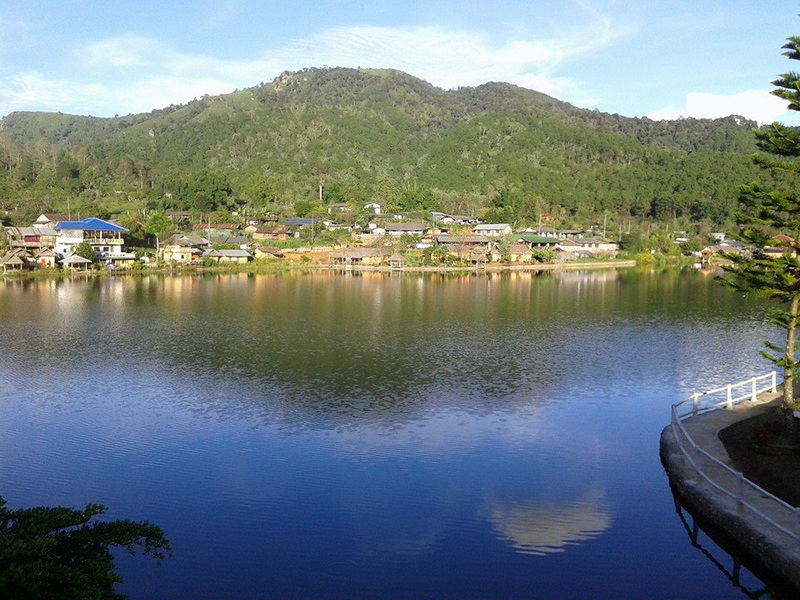
Ban Rak Thai is a mountain village in Mueang Mae Hong Son District, Mae Hong Son, known for its tranquil setting, tea-growing landscape, and cultural character shaped by communities with Yunnan Chinese heritage. Its lake, surrounding hills, tea shops, and distinctive food traditions give the village a different atmosphere from the better-known urban stops in northern Thailand. For travelers beginning in Chiang Mai, the village is best understood as one part of a wider journey rather than a quick roadside stop. A Chiang Mai To Mae Hong Son Tour Package may combine several destinations across the mountainous route, but the exact order, transport arrangements, and time available can vary considerably. Planning around road conditions, daylight, personal comfort, and respectful interaction with residents helps turn a demanding travel day into a more rewarding regional experience. This guide examines how Ban Rak Thai can fit into a broader Mae Hong Son itinerary, what visitors may reasonably expect from the destination, and how Pang Ung and Phu Klon can complement the route without making unsupported promises about package schedules or services.
Where Ban Rak Thai Fits on a Northern Journey
Ban Rak Thai lies in Mae Hong Son Thailand, in a remote highland area reached by winding roads from the provincial capital. The distance and terrain are important parts of the planning picture. A journey from Chiang Mai involves extended travel through mountainous country, so an itinerary that includes the village usually works better as part of a multi-stop trip than as a rushed excursion with little time at the destination.
The phrase Chiang Mai To Mae Hong Son Tour Package can describe several different travel formats, from private arrangements to small-group itineraries and driver-supported routes. Travelers should treat the phrase as a starting point for comparison, not as evidence that every package includes Ban Rak Thai. Before booking, ask whether the village is specifically included, how long the stop lasts, and whether the route allows time for scenic viewpoints, meals, or unhurried exploration.
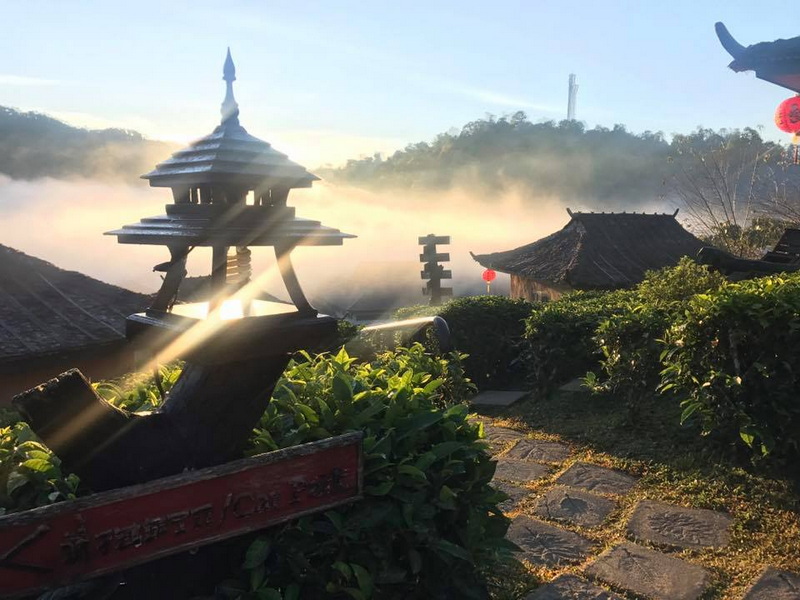
A useful planning approach is to divide the journey into travel days and destination days. Mountain roads can make progress slower than a map suggests, while weather may affect comfort and visibility. Allowing flexibility is especially sensible during heavy rain or cooler periods when road conditions and daylight can influence the pace of a trip. For map searches and booking discussions, Baan Rak Thai may appear as an alternative spelling for the same destination. Those who are prone to motion sickness may also wish to discuss vehicle size, rest stops, and the expected amount of curving-road travel with an operator.
What Gives Ban Rak Thai Its Appeal
The appeal of Ban Rak Thai comes from the relationship between settlement, water, agriculture, and hills. A lake sits at the center of much of the village scenery, while mist and changing light can create a calm visual setting in the cooler hours. Tea cultivation is an important part of the local identity and landscape, and visitors commonly encounter tea-related products, dishes, and everyday commercial activity rather than a single formal attraction.
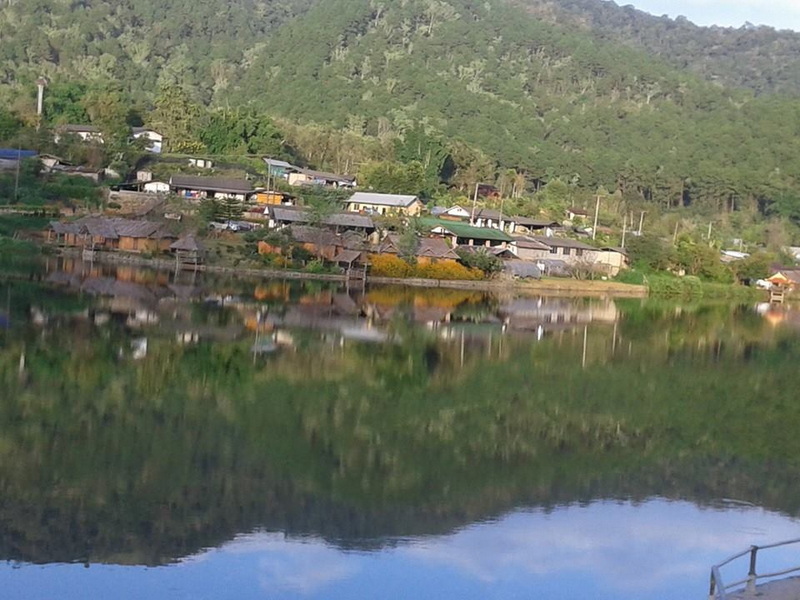
The village’s cultural character deserves attention without turning residents or traditions into a spectacle. Yunnan Chinese influence can be seen in aspects of food, architecture, language, and local heritage, but the community is also a living place where people work, trade, and go about ordinary routines. A considerate Visit Ban Rak Thai plan therefore includes observation with restraint: ask before photographing people, follow signs and local instructions, and avoid entering private areas simply because they appear picturesque.
A Ban Rak Thai Travel Guide is most useful when it sets realistic expectations. This is not primarily a destination for a packed list of large attractions. Its value lies in a slower combination of landscape, village atmosphere, tea culture, and the experience of reaching a highland community. Visitors may enjoy walking around public areas, looking across the lake, sampling local food, or learning about tea in a way that supports local businesses without demanding staged performances.
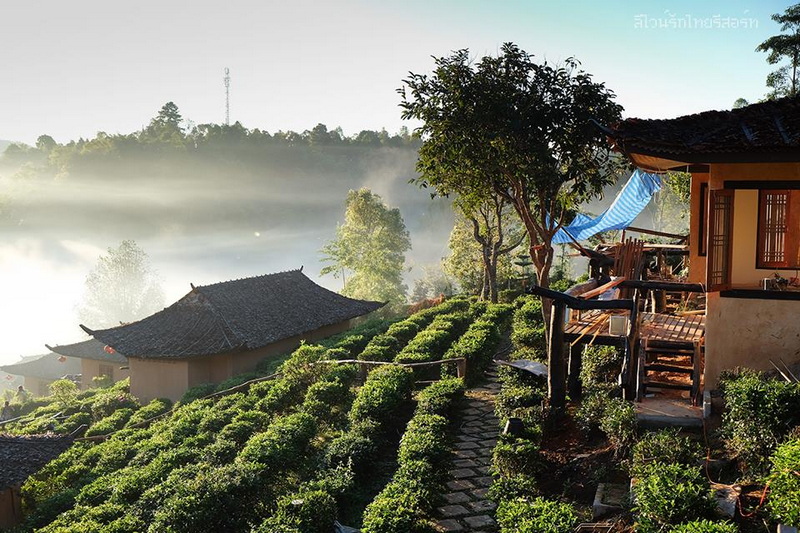
Early and late light can change the mood of the lake and surrounding slopes, but the best time for an individual activity depends on weather, access, and local conditions. Rather than planning every minute around a photograph, leave space to notice details: drying tea leaves, hillside planting, rooflines, cooking aromas, or the contrast between open water and forested ridges. These small observations often explain the destination more honestly than a checklist of photo points.
Natural Detours Around a Village Visit
Ban Rak Thai becomes easier to place on a route when its cultural and scenic focus is balanced with nearby experiences of a different character. Pang Ung and Phu Klon offer two possible additions, provided the journey remains realistic and current access details are confirmed.
Pang Ung
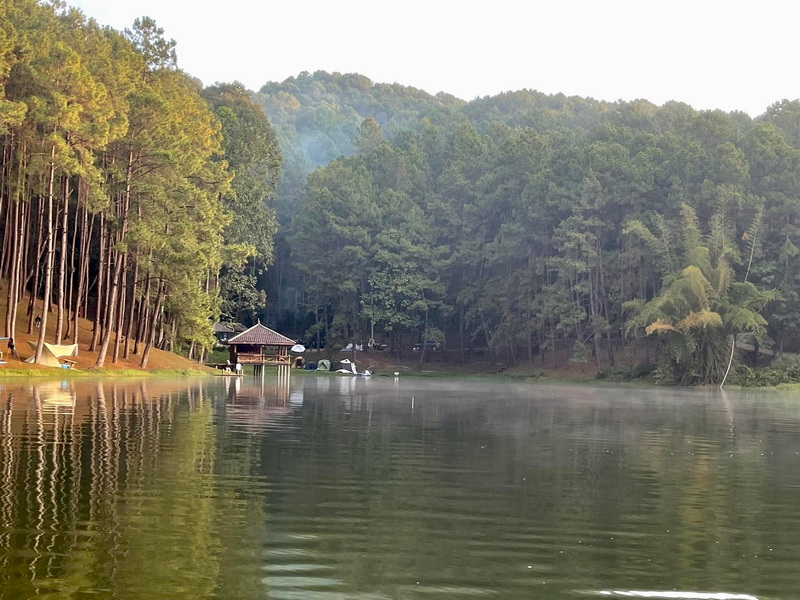
Pang Ung is a forested reservoir and scenic nature area in the Mae Hong Son region, often associated with calm water, pine trees, and cool highland air. Its atmosphere contrasts with the village focus of Ban Rak Thai: the emphasis here is on landscape, quiet observation, and time outdoors. Visitors should follow current local access guidance and respect any rules concerning camping, vehicles, fires, and waste.
Adding Pang Ung can make sense for travelers who want their route to include both community scenery and a nature-based stop. The two destinations should not be treated as interchangeable, however. Allow enough time for travel between them and confirm the order with the person managing the itinerary, since mountain roads and local operating conditions can affect the day.
Phu Klon
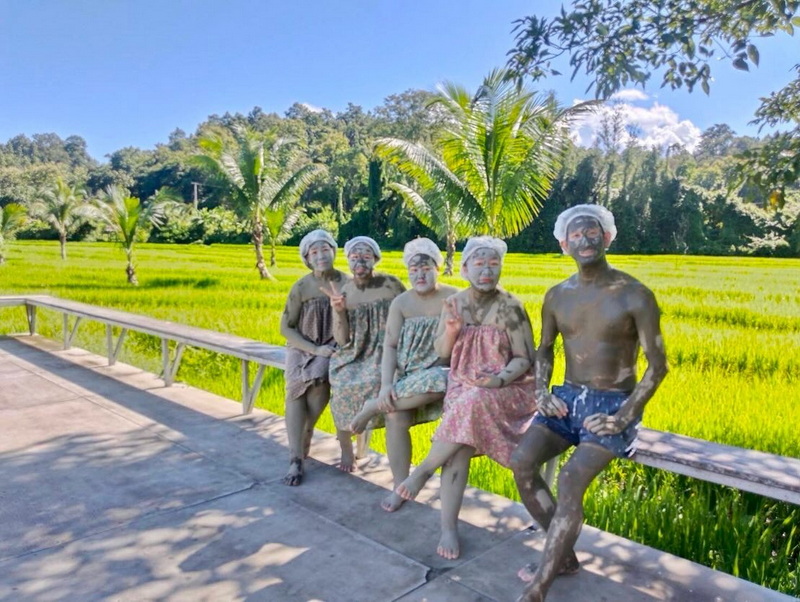
Phu Klon is known for its mineral mud and hot-spring-related setting, offering a different kind of stop from the lake and tea landscape of Ban Rak Thai. It may appeal to visitors interested in wellness traditions, natural resources, and a short regional experience connected with the earth’s geothermal activity. Claims about treatments or health benefits should be treated carefully; enjoying the setting is different from assuming a medical result.
As an itinerary addition, Phu Klon can provide variety during a broader Mae Hong Son route. Travelers should check what activities are currently available, whether facilities suit their needs, and how much time the package allocates. A flexible plan can include the stop without allowing it to overshadow the main purpose of visiting the mountain communities and landscapes around Mae Hong Son.
Two Complementary Stops for the Itinerary
Once the village has been considered as part of a wider route, nearby natural attractions can help shape a more balanced day or overnight plan. The following stops serve different purposes: one emphasizes forest and water scenery, while the other is associated with mineral-rich mud and wellness-oriented experiences. Their suitability depends on the chosen route, available time, and the practical details confirmed with a driver or tour provider.
Making the Package Work for Your Travel Style
Package travelers should compare the structure of an itinerary rather than relying only on its title. Check the starting and finishing points, transport type, guide or driver arrangement, meals, entrance fees where relevant, and whether accommodation is included or arranged separately. It is also worth confirming the amount of free time at Ban Rak Thai. A route that names many destinations may provide only brief stops, while a simpler plan may offer more opportunity to understand the village.
Travelers who value control may prefer a private route with room to adjust pauses, although the exact advantages depend on the provider and vehicle. Group travel can offer a clearer structure and shared costs, but departure times and stop lengths may be less flexible. Neither format is automatically better. The right choice depends on tolerance for long road journeys, interest in photography or food, mobility needs, and whether the priority is seeing several Mae Hong Son sights or spending more time in one community.
Pack for changing mountain conditions rather than assuming that northern Thailand is uniformly warm. Comfortable walking shoes, sun protection, a light layer, water, and motion-sickness medication if needed are practical choices. Keep luggage manageable because a multi-stop route may involve frequent loading and unloading. Mobile connectivity can vary in mountainous areas, so save essential booking details, addresses, and emergency contacts before leaving larger towns.
Responsible behavior is part of good logistics. Carry reusable water supplies where practical, dispose of waste properly, and use public paths rather than crossing planted areas. Dress and behave appropriately around homes, religious sites, and community spaces. If purchasing tea, food, or crafts, ask about the product and pay the displayed or agreed price without treating negotiation as entertainment. These simple choices help ensure that tourism remains compatible with local dignity and daily life.
For a first-time visitor, the strongest itinerary is usually the one with an honest pace. Ban Rak Thai can be a memorable anchor for a Mae Hong Son journey, but the road itself requires patience. Build in recovery time after a long transfer, confirm the return plan before setting out, and avoid assuming that every optional stop can be added on the day. A practical schedule leaves room for weather, traffic, meal breaks, and the slower rhythm that makes a highland visit enjoyable.
A More Confident Way to Plan the Route
Ban Rak Thai rewards travelers who plan for distance, allow time for observation, and approach the community respectfully. When comparing a Chiang Mai To Mae Hong Son Tour Package, look beyond destination names and confirm the actual pace, transport, inclusions, and time available in the village. Pairing the visit with Pang Ung or Phu Klon can add useful variety, but the strongest itinerary is not necessarily the fullest one. A thoughtful route leaves enough space for mountain travel, local life, and the quiet scenery that makes this corner of Mae Hong Son distinctive.

No comments:
Post a Comment