Sai Ngam Hot Spring Travel Guide for Chiang Mai to Mae Hong Son Routes
Plan a practical route from Chiang Mai through Pai with natural pools and nearby waterfalls in view

Sai Ngam Hot Spring is a quiet nature stop in Pai District, Mae Hong Son, and a useful addition to a wider journey through northern Thailand. Set in a forested area, the spring is known for its warm mineral water, shaded surroundings, and a natural-pool atmosphere rather than the facilities of a large resort. Its location makes it especially relevant to travelers planning a route between Chiang Mai, Pai, and other parts of the province. For visitors comparing organized travel with independent transport, the main planning question is not simply how to reach the spring. It is how to fit the stop into a realistic Mae Hong Son itinerary without rushing the surrounding landscapes. A Chiang Mai To Mae Hong Son Tour Package may include transport, sightseeing, and selected overnight stops, while a private vehicle or self-planned route allows more flexibility around Pai. This guide explains the route choices, what to expect at Sai Ngam Natural Mineral Spring, and how Mor Paeng Waterfall and Pam Bok Waterfall can extend the nature-focused day.
Choosing a Chiang Mai to Mae Hong Son Travel Style
Travelers generally approach Sai Ngam Hot Spring as part of a multi-stop northern Thailand route rather than as an isolated excursion from Chiang Mai. The roads between Chiang Mai, Pai, and Mae Hong Son pass through mountainous terrain, so journey times depend on road conditions, traffic, weather, and the number of stops included. A schedule that looks compact on a map can become demanding when it includes viewpoints, villages, waterfalls, and time for careful driving on winding roads. Travelers researching Saingam Hot Springs can use these details when planning the trip.
A Chiang Mai To Mae Hong Son Tour Package can simplify the basic logistics by combining transportation with an itinerary arranged by a tour operator. Depending on the provider, travelers may find private tours, small-group departures, van-based arrangements, or customized routes. Exact inclusions, departure dates, accommodation, entrance costs, and stop durations vary, so these details should be confirmed directly before booking. It is sensible to ask whether Sai Ngam Hot Spring is specifically included or whether the route can be adjusted to visit it.
Independent travelers may prefer to spend time in Pai and arrange a local outing to the spring, subject to current road and access conditions. This approach can make it easier to separate the spring from other attractions and avoid treating every stop as a rushed photograph. However, drivers should be comfortable with mountain roads and should allow additional time rather than relying on an overly precise schedule. Public transport connections and local transfer options can change, so current information should be checked locally.
When comparing Mae Hong Son Thailand itineraries, look beyond the number of attractions listed. A useful plan should show how much time is available at each stop, where the overnight stays occur, and whether the route returns to Chiang Mai or continues toward Mae Hong Son town. Travelers who want a nature-centered day should also confirm whether the itinerary leaves enough time for changing clothes, walking on uneven ground, and enjoying the spring without pressure.
What to Expect at Sai Ngam Hot Spring
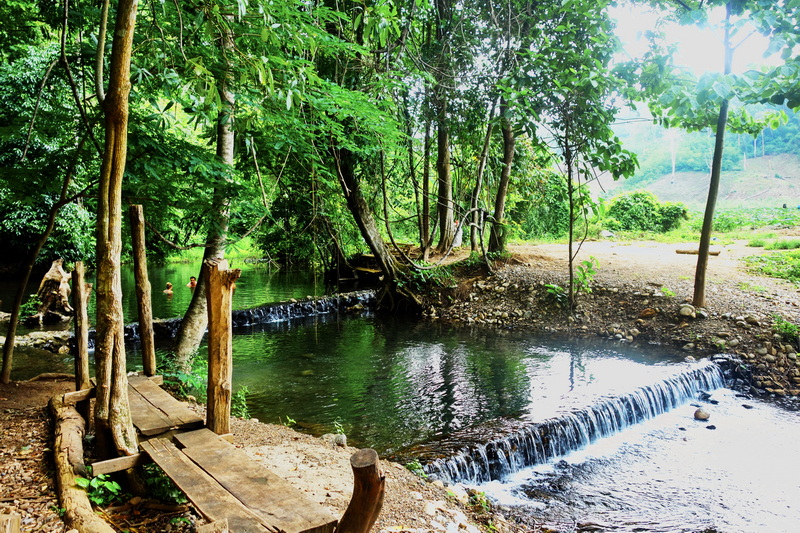
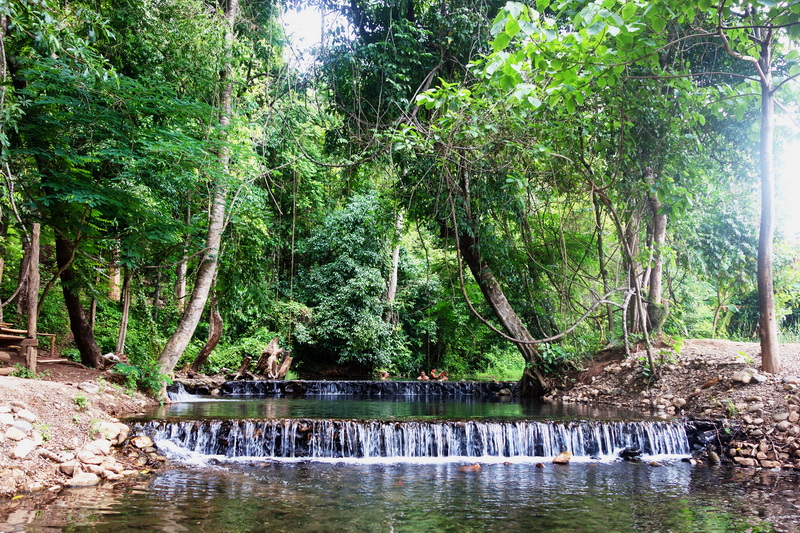
Sai Ngam Hot Spring is valued for its natural setting. Warm spring water gathers in a pool surrounded by trees, creating a shaded environment that feels closely connected to the forest. The water’s mineral content is part of the attraction, although visitors should avoid treating the site as a medical facility or assuming that bathing provides specific health benefits. The most reliable expectation is a calm outdoor stop where visitors can observe a geothermal feature and, when permitted, enjoy the water respectfully.
The pool area may feel different according to the season, recent rainfall, and the number of visitors present. Water clarity, surrounding vegetation, and the comfort of the bathing area can change over time. Before entering, check posted rules and local guidance regarding appropriate swimming areas, clothing, photography, food, and waste. If the water seems too warm, if the area is crowded, or if conditions are unclear, observing from the edge is a responsible choice.
A Visit Sai Ngam Hot Spring plan should include practical preparation. Bring drinking water, sun protection for the journey, a towel, spare clothing, and footwear that remains secure on damp surfaces. Keep valuables protected, and do not leave personal items unattended. The spring is a nature attraction, so visitors should avoid soap, shampoo, littering, loud behavior, or actions that could damage plants and the pool environment.
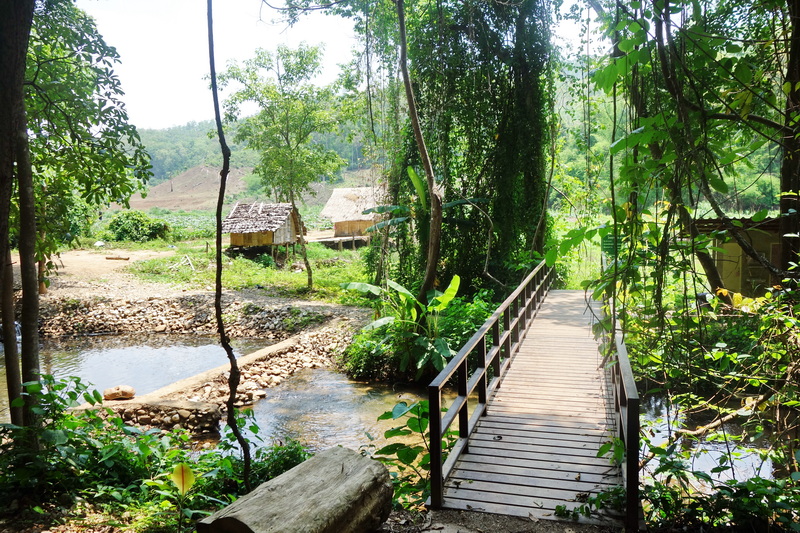
For photographers, the appeal lies in the contrast between warm water, dense greenery, and filtered daylight. Early or later visits may offer a quieter atmosphere, but no particular level of crowding should be assumed. The best approach is to allow flexibility and to respect other visitors who may be seeking a peaceful bathing experience. Sai Ngam Hot Spring Thailand searches often produce varied descriptions, so current local conditions remain more useful than relying on an old itinerary.
How to Evaluate Tour Packages Before Departure
A tour package from Chiang Mai can be helpful when the traveler wants one transport arrangement across a mountainous region. Ask whether the service is guided or driver-led, whether the vehicle is private or shared, and how the operator handles changes caused by weather or road conditions. These questions do not guarantee a particular experience, but they clarify what kind of planning support is actually being purchased.
Travelers should also distinguish between a route marketed as a Mae Hong Son loop and a direct transfer with sightseeing. A loop itinerary may include Pai and other provincial destinations before returning to Chiang Mai, while a one-way journey may continue toward Mae Hong Son town. Sai Ngam Hot Spring Pai planning therefore depends on where the night is spent and how much time is allocated in Pai District. A spring visit may be practical as part of a Pai day, but less suitable if the schedule already contains many distant stops.
For families, older travelers, or anyone sensitive to winding roads, the pace deserves special attention. Build in rest breaks, carry motion-sickness supplies if needed, and avoid assuming that every traveler will want to bathe. Independent travelers should similarly check vehicle condition, fuel planning, navigation coverage, and seasonal road information. These are ordinary precautions for mountain travel, not signs that the destination is inaccessible.
A responsible operator should be able to explain what is included without making unverifiable promises. Be cautious with descriptions that guarantee empty pools, perfect weather, instant access, or fixed conditions throughout the year. Confirm current opening arrangements, admission requirements, and local restrictions close to the travel date. This protects both the traveler and the communities and landscapes along the route.
Building a Nature-Focused Day Around the Spring
The most balanced way to plan the area is to treat the hot spring as one natural feature within a broader Pai District route. Allow time for the spring itself, then choose only the additional stops that fit the road direction and the group’s energy. A short list of meaningful places is usually more comfortable than collecting every possible attraction in a single day.
Mor Paeng Waterfall offers another outdoor setting associated with the Pai area. Its pools and rock formations can be attractive for observation and recreation when conditions are suitable, but water levels and surface safety vary. Visitors should watch their footing, follow local signs, and avoid climbing or swimming where the current, depth, or rocks appear hazardous. The waterfall works best as a flexible stop rather than an activity that must be forced into poor weather.
Pam Bok Waterfall provides a different visual character, with water flowing through a narrow, rocky landscape. The approach and surrounding surfaces may be uneven or slippery, particularly after rain. Travelers should wear shoes with reliable grip and keep a safe distance from edges and moving water. As with the spring, the experience changes with the season, so photographs from another month should not be treated as a promise of identical conditions.
Combining these sites requires attention to geography and timing. Ask a driver or local information source to confirm the most efficient order on the day, especially if road access has changed. A route that includes Sai Ngam Hot Spring, Mor Paeng Waterfall, and Pam Bok Waterfall may be appealing for nature lovers, but the final choice should account for daylight, weather, bathing time, and the return journey. Leave room for pauses instead of measuring success by the number of places visited.
Practical Etiquette for a Forest Spring Visit
Natural hot springs are shared environments, and respectful behavior helps preserve their character. Follow entrance signs, staff instructions, and any local rules about bathing or photography. Keep voices moderate, give other visitors personal space, and avoid taking pictures of people without permission. If a community manages or maintains the area, entrance arrangements and visitor guidance are part of the local system rather than inconveniences to bypass.
Environmental care is equally important. Carry reusable water bottles where practical, take rubbish with you, and do not collect stones, plants, or other natural materials. Use only designated paths and bathing areas, since informal shortcuts can cause erosion or disturb vegetation. These small choices matter at a spring whose appeal depends on clean water and a living forest setting.
For a dependable itinerary, confirm current access information shortly before departure and keep a backup plan in case of rain, road disruption, or temporary closure. The goal is a comfortable route through Mae Hong Son Province, not a rigid promise that every stop will be available. With realistic timing and considerate behavior, the spring can complement a carefully planned journey from Chiang Mai through Pai.
Nearby Attractions
Mor Paeng Waterfall
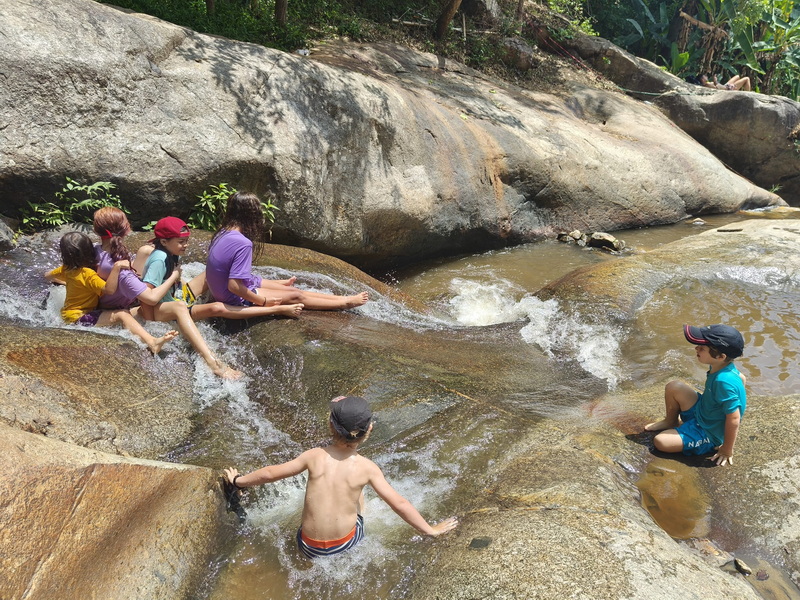
Mor Paeng Waterfall is a nearby nature stop that can add variety after time at the warm spring. Its flowing water, rocks, and small pools create opportunities for landscape viewing, although conditions are not constant. Rain can change flow and make surfaces slippery, so visitors should follow signs and avoid entering water when depth or current is uncertain.
Include the waterfall only when the route and weather make the visit comfortable. Secure footwear, spare clothing, and careful movement are more useful than trying to stay on a tight timetable.
Pam Bok Waterfall

Pam Bok Waterfall is recognized for its rocky, enclosed setting and offers a contrasting landscape to the forest pool at Sai Ngam. The approach may involve uneven ground, and wet rocks require attention, particularly during or after rainy conditions. Visitors should remain within safe areas and respect any local restrictions.
As part of a Pai nature itinerary, Pam Bok Waterfall can be paired with the spring when travel time, daylight, and road conditions allow. A flexible schedule is preferable because seasonal water levels may influence what can be safely seen or accessed.
The Journey in Perspective
Sai Ngam Hot Spring suits travelers who want a natural pause within a larger Mae Hong Son journey. Organized packages can reduce transport complexity, while an independent Pai stay may offer more control over timing. In either case, confirm current access details, allow for mountain-road conditions, and choose nearby waterfalls according to weather and energy. The result is a more dependable visit: less focused on checking boxes and more attentive to the spring, the forest, and the landscapes that make this route distinctive.

No comments:
Post a Comment