Discover Bamboo Rafting in Mae Wang and Other Outdoor Adventures
Explore the natural beauty of Mae Wang District with bamboo rafting and nearby conservation projects for a fulfilling outdoor experience
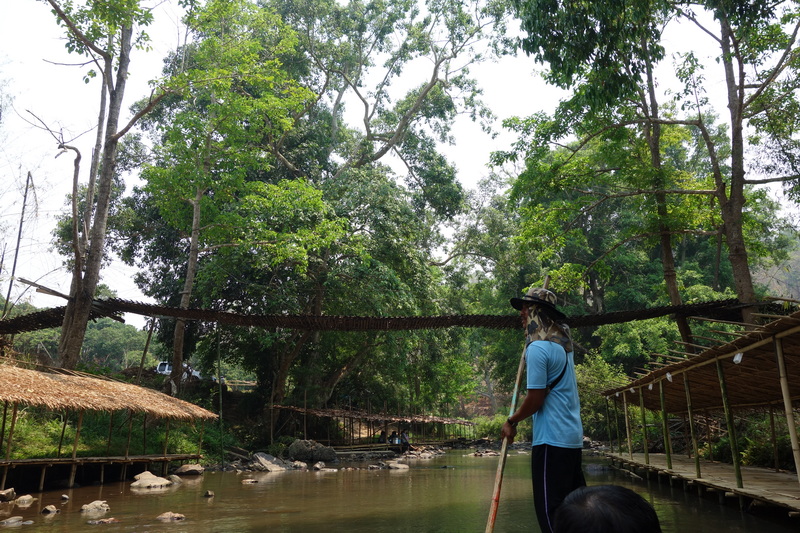
Nestled in the lush landscapes of northern Thailand, Mae Wang District offers travelers a unique blend of outdoor activities centered around its signature experience: Bamboo Rafting in Mae Wang. This serene yet engaging activity invites visitors to glide down gentle rivers on traditional bamboo rafts, surrounded by verdant jungle and the soothing sounds of nature. It is a perfect way to connect with the environment while enjoying a peaceful escape from the bustle of city life. Beyond the river, Mae Wang presents a variety of outdoor pursuits that highlight the district’s rich natural heritage and conservation efforts. The area is home to significant natural reserves and royal projects that focus on sustainable agriculture and forest restoration. These sites not only enhance the visitor experience but also underscore the importance of responsible travel in preserving the region’s ecological balance. For those seeking both adventure and a deeper appreciation of northern Thailand’s natural beauty, Mae Wang Bamboo Rafting Chiang Mai stands out as a must-visit. Combined with visits to nearby attractions like Mae Wang National Park and the Khun Wang Royal Project, travelers can craft an itinerary full of discovery and thoughtful engagement with the landscape. This guide will help you explore the best outdoor activities and must-visit places in Mae Wang, offering insights into how to enjoy the area respectfully and sustainably.
The Bamboo Rafting Experience in Mae Wang
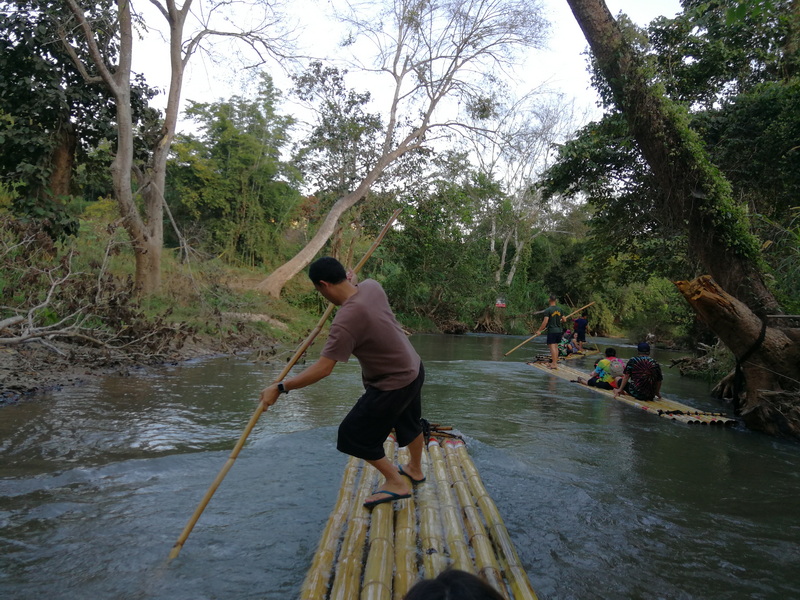
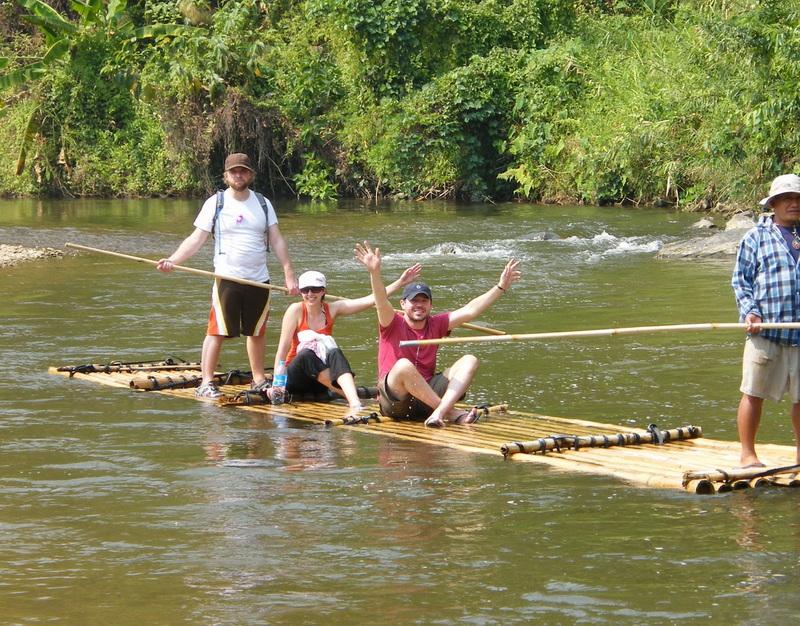
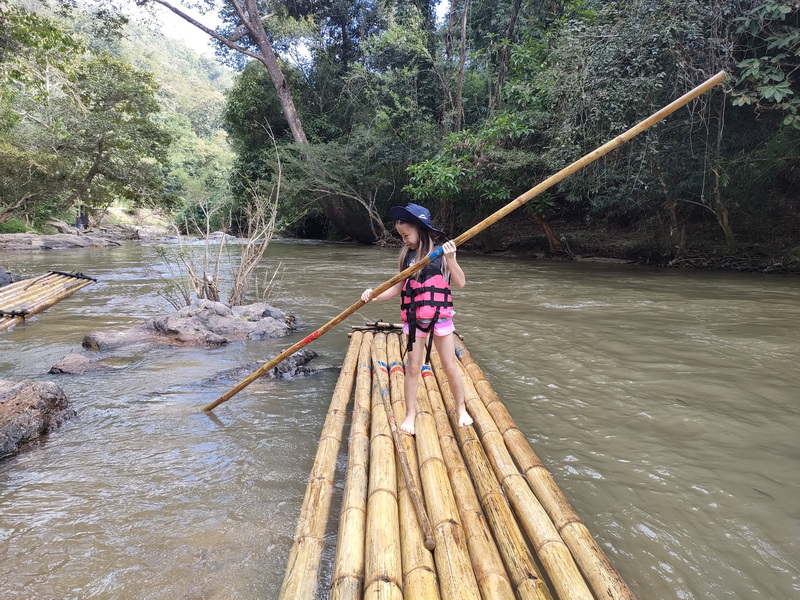
Bamboo Rafting in Mae Wang is a distinctive outdoor activity that allows visitors to navigate the district’s tranquil rivers using rafts made from locally sourced bamboo. These rafts are expertly crafted to float smoothly and provide a stable platform for riders, making the experience accessible to a wide range of travelers. The rafting journey typically follows slow-moving stretches of water, where paddlers can relax and take in the surrounding scenery without the rush or intensity of white-water rafting. Travelers researching Chiang Mai Outdoor Activities can use these details when planning the trip. Travelers researching Must Visit Places In Chiang Mai can use these details when planning the trip.
As you drift along the river, the dense jungle canopy overhead filters sunlight, creating a mosaic of light and shadow on the water’s surface. The sounds of birds, insects, and rustling leaves enhance the immersive natural atmosphere. This form of rafting emphasizes harmony with nature, inviting travelers to slow down and appreciate the subtle details of the environment.
Beyond the sensory pleasures, the activity also offers cultural insights. Bamboo rafting has long been a traditional mode of transport and livelihood for local communities in northern Thailand. Participating in this activity supports local guides and artisans who maintain these traditions, fostering a respectful exchange between visitors and the region’s inhabitants.
Safety is a priority during the rafting excursions, with guides providing instructions and assistance to ensure a secure and enjoyable experience. The gentle pace and calm waters make it suitable for those who prefer a more relaxed outdoor adventure, including nature lovers and travelers interested in conservation-focused activities.
Exploring Chiang Mai Outdoor Activities Beyond Rafting
Mae Wang District is a gateway to a variety of outdoor activities that complement the bamboo rafting experience. The region’s diverse terrain, ranging from river valleys to forested hills, invites exploration through hiking, bird watching, and cycling. Trails wind through natural habitats where visitors can observe native flora and fauna, making it an ideal destination for nature enthusiasts.
For those interested in cultural immersion, local villages offer opportunities to learn about traditional agricultural practices and handicrafts. Many communities actively participate in conservation projects that aim to balance human activity with environmental stewardship. Visitors can engage with these efforts through eco-tours and educational visits, gaining a deeper understanding of sustainable living in northern Thailand.
The mild climate and scenic surroundings also make Mae Wang a peaceful retreat for meditation and wellness activities. Several small-scale retreats and guesthouses incorporate nature-based wellness practices, allowing travelers to rejuvenate amid the district’s natural beauty.
Whether you are seeking active exploration or tranquil moments in nature, Mae Wang provides a variety of options that highlight the region’s commitment to preserving its landscapes while offering enriching experiences for visitors.
Must Visit Places in Mae Wang District
Aside from Bamboo Rafting in Mae Wang, the district hosts several must-visit natural and conservation sites that enhance any outdoor itinerary. These locations are integral to the region’s ecological health and cultural identity, offering visitors meaningful encounters with northern Thailand’s environment.
Mae Wang National Park is a cornerstone of the district’s natural attractions. The park features rugged mountains, waterfalls, and dense forests, providing habitat for diverse wildlife. Hiking routes vary in difficulty, allowing visitors to choose paths that suit their interests and fitness levels. The park’s conservation initiatives focus on protecting endangered species and maintaining forest ecosystems, making it a vital area for environmental education and responsible tourism.
Another significant site is the Khun Wang Royal Project, which exemplifies sustainable agricultural development under royal patronage. The project promotes organic farming, reforestation, and community-based conservation. Visitors to Khun Wang can learn about these efforts firsthand and observe how local farmers integrate traditional knowledge with modern techniques to support both livelihoods and environmental health.
Together, these sites frame Mae Wang as a destination where outdoor recreation and conservation coexist. Visiting them provides context for the bamboo rafting experience and encourages an appreciation for the district’s broader environmental and cultural landscape.
How to Combine Bamboo Rafting with Other Outdoor Adventures
Planning a visit to Mae Wang encourages combining bamboo rafting with other outdoor activities and nearby attractions for a well-rounded experience. Starting the day with a peaceful bamboo rafting trip allows travelers to immerse themselves in the calm river environment. Following this, a hike or nature walk in Mae Wang National Park can introduce more vigorous exploration and a chance to see wildlife and waterfalls.
After outdoor exertion, a visit to the Khun Wang Royal Project offers a change of pace with educational and cultural enrichment. Here, visitors can witness sustainable farming practices and enjoy the serene mountain setting. This combination of activities supports a balanced itinerary that respects nature’s rhythms and promotes conservation awareness.
Local guides and visitor centers in Mae Wang provide valuable information and assistance in planning these activities. They emphasize responsible travel practices, such as minimizing waste, respecting wildlife, and supporting local communities. This approach helps ensure that tourism benefits both visitors and the environment.
For travelers interested in photography, combining these experiences presents opportunities to capture the varied landscapes of Mae Wang—from river scenes and forest trails to cultivated fields and mountain vistas—offering a comprehensive visual story of the district’s outdoor attractions.
Conservation Efforts and Responsible Travel in Mae Wang
Mae Wang District is not only a place of natural beauty but also a hub for ongoing conservation and sustainable development projects. Visitors are encouraged to approach their travels with respect for the local environment and communities. Responsible travel practices help protect the delicate ecosystems that make bamboo rafting and other outdoor activities possible.
Conservation efforts in the area focus on forest restoration, wildlife protection, and sustainable agriculture. Programs like the Khun Wang Royal Project serve as models for balancing human needs with ecological health. Visitors can contribute to these efforts by choosing eco-friendly tours, supporting local businesses, and adhering to guidelines provided by park authorities and community organizations.
Educational outreach is an important aspect of Mae Wang’s tourism approach. Many guides and operators share knowledge about the region’s biodiversity and cultural heritage, fostering a deeper connection between visitors and the land. This awareness encourages behaviors that reduce environmental impact and uphold the dignity of local traditions.
By participating in Bamboo Rafting in Mae Wang and related activities mindfully, travelers become part of a collective effort to maintain the district’s natural charm and ecological integrity for future generations.
Nearby Attractions
Mae Wang National Park
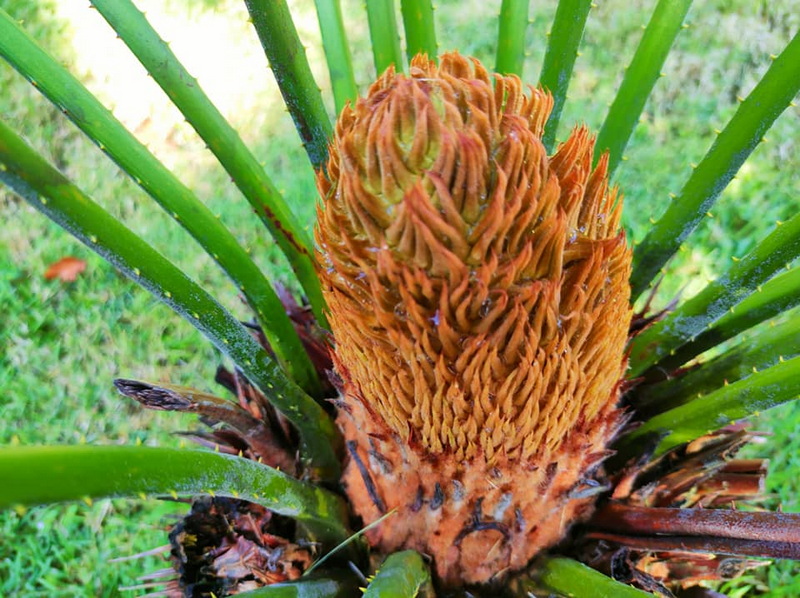
Mae Wang National Park is a vast protected area characterized by its mountainous terrain, dense forests, and cascading waterfalls. It serves as an important refuge for wildlife, including several rare and endangered species. The park’s extensive trail system offers routes for all levels of hikers, from gentle walks to challenging climbs, each revealing different facets of the region’s biodiversity.
Visitors often encounter a variety of bird species, insects, and native plants during their explorations. The park also plays a crucial role in watershed conservation, helping to maintain water quality and flow for the surrounding communities and agricultural lands. Interpretive signs and visitor centers provide educational resources to enhance understanding of the park’s ecological significance.
As a must-visit place in Chiang Mai, Mae Wang National Park complements the bamboo rafting experience by adding a terrestrial dimension to outdoor activities, inviting travelers to engage with the landscape on foot and deepen their appreciation of northern Thailand’s natural heritage.
Khun Wang Royal Project
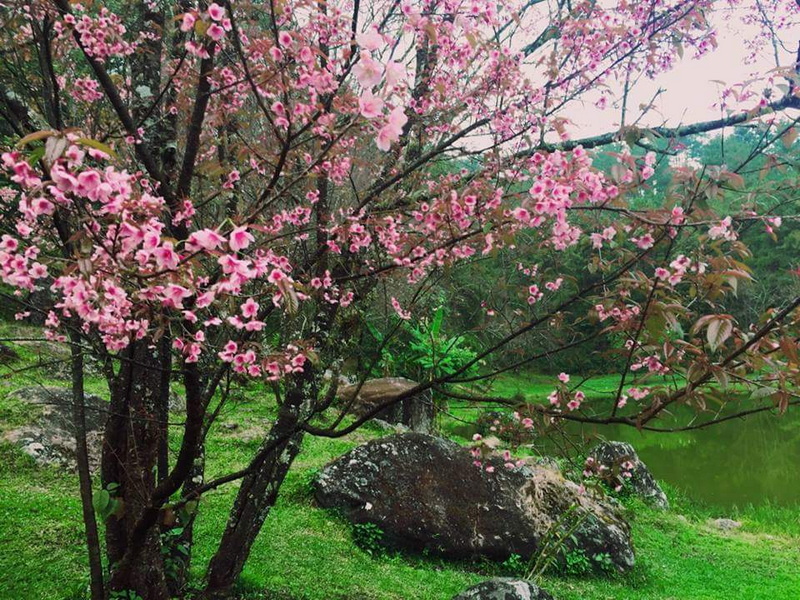
The Khun Wang Royal Project is a pioneering sustainable development initiative established under royal patronage. Located in the mountainous area of Mae Wang District, it focuses on promoting environmentally friendly farming methods, reforestation, and community welfare. The project has transformed previously degraded land into thriving agricultural plots and forested areas.
Visitors to Khun Wang can learn about organic vegetable cultivation, fruit orchards, and flower gardens maintained by local farmers. Educational tours explain how the project balances economic development with ecological preservation, serving as a model for similar efforts throughout Thailand.
The serene mountain setting and well-maintained gardens provide a peaceful environment to explore. The project’s emphasis on conservation and responsible resource use makes it a meaningful stop for travelers interested in the intersection of culture, agriculture, and environmental stewardship within the Mae Wang area.
The Journey in Perspective
Mae Wang District invites travelers to experience a harmonious blend of outdoor recreation and natural conservation. Bamboo Rafting in Mae Wang offers a gentle yet immersive way to connect with the region’s riverine landscapes, while nearby sites like Mae Wang National Park and the Khun Wang Royal Project provide enriching opportunities to explore and learn. By engaging with these attractions thoughtfully and respectfully, visitors support the ongoing preservation of Mae Wang’s unique environment. Whether you seek adventure, tranquility, or insight into sustainable living, Mae Wang promises an outdoor journey that nurtures both the spirit and the natural world.

No comments:
Post a Comment